
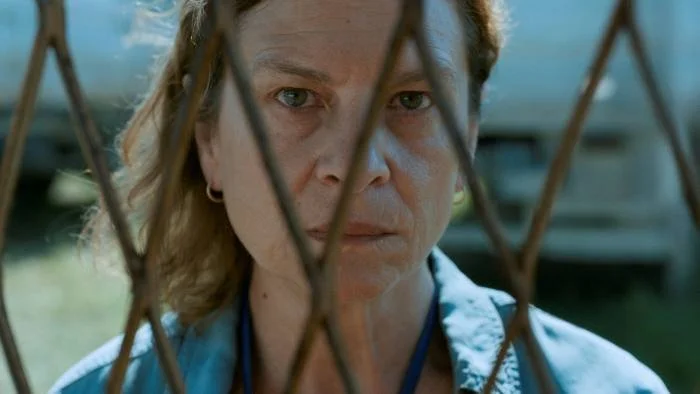
‘Quo Vadis, Aida’ Review
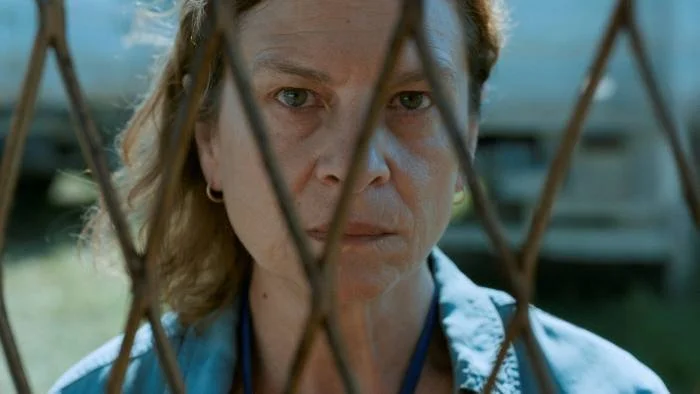
March 23, 2021
Set during the Bosnian war, Quo vadis, Aida is a devastating dramatization based on the Srebrenica genocide that took place in July 1995. Prior to the genocide, the United Nations had declared this small town a “safe zone” under UN protection. The town was then invaded and captured by the Serbian army. 30,000 Bosnian civilians were expelled from their homes and left looking for shelter. 8,372 Bosnian men and boys were murdered. For her fifth feature film, writer-director Jasmila Žbanic avoids explicitly showing the violence of such atrocities. She stays with the citizens, showing the solidarity between people who are displaced and who are desperately holding onto a semblance of promise. The story is told from a fascinating perspective, that of a woman walking through two worlds with the weight of both on her shoulders.
The titular character Aida (Jasna Ðuričić) is a translator for the UN in Srebrenica. When the Serbian army takes over the town, her husband Nihad (Izudin Bajrović) and son Ejo (Dino Bajrović) are among the civilians looking for shelter, while her son Hamdija (Boris Ler) is at a full-capacity UN base with her. The majority of the film takes place at this base, where thousands of civilians (and thousands more outside the gate with nowhere else to go) await news of what comes next. All the while, their fates have been cruelly decided. As an interpreter, Aida is one of the first to learn crucial information about what's going on behind closed doors. Given the horrific failings by the UN, Aida wrestles with taking care of her family while also doing her job. Quo vadis, Aida is a haunting, collective experience that transcends the screen and makes an unforgettable emotional impact.
The film opens with a conversation about the fate of 30,000 people. Aida is sat at a table interpreting negotiations between Serbian forces and UN peacekeepers. What will be done to ensure the civilians’ safety? Will everyone be moved to a shelter? While this scene is full of blatant false promises, Žbanic still maintains a sense of lingering hope which can also be felt deeply throughout the film, through her depiction of the humanity in this community of civilians. Characters are sometimes heard in the background calling Aida’s name to ask for help, or because they want her to explain what’s going on. These are her neighbours, her friends, people she went out dancing with (as seen in a haunting flashback that lingers on many of their faces). 30,000 civilians were displaced, and everyone had their own story. The fictional character of Aida is not based around one person, but on countless experiences of women who lived through the atrocities of what happened. As a result, Žbanic’s discussions with women and research on witness documents helped shape the protagonist.
Jasna Ðuričić gives a tour de force performance as Aida. She carries the weight of this story with unrelenting humanity. From the moment she appears on screen, it’s clear that she is the one to lead this journey and carry the film on her shoulders. Ðuričić maintains an extraordinarily immersive, visceral connection and commands every second of her screen time. Her performance is a stunning reflection of a character existing in two worlds; Aida’s destiny is linked to everyone else’s, and at the same time, her job provides a window of security that she uses to benefit her family as much as she can. She’s in an emotionally draining position of having to make such crucial decisions on the fly. She's also carrying the weight of her role as UN interpreter, having to translate dire news to thousands of Bosnian civilians who have no clue what’s going to happen and whom she cannot protect.
In addition to Ðuričić’s performance, and a wonderful supporting cast who make this experience all the more immersive to watch, one of the film’s greatest strengths is the screenplay. Žbanic maintains a strong depiction of how dehumanization starts with language, and how quickly words crumble in the face of pressure. During the few negotiation scenes in this film, only words are spoken and there is still an immense feeling of tension polluting the air. Žbanic also brings a lot of focus onto interesting dynamics between Aida and the civilians, to whom she is connected, yet her access gives her a level of protection not afforded to them. Aida shares compelling dynamics with each of the characters she comes into contact with, including the UN officials whose failed response during a time of need propels her to take matters into her own hands.
Quo vadis, Aida is a harrowing journey and a compelling film to watch unfold. It’s a powerful depiction of history that raises awareness about the Srebrenica genocide and the lives that were so brutally taken. It’s a resonating story about solidarity, humanity, and hope bringing people together. It’s a phenomenal showcase of Jasna Ðuričić’s talent, as she plays a mother who will do absolutely anything in her power to protect her family. Filmmaker Jasmila Žbanic explores so many layers of this subject matter from an invigorating point of view, and poses a reminder that Aida’s perspective is a collection of so many real-life experiences.
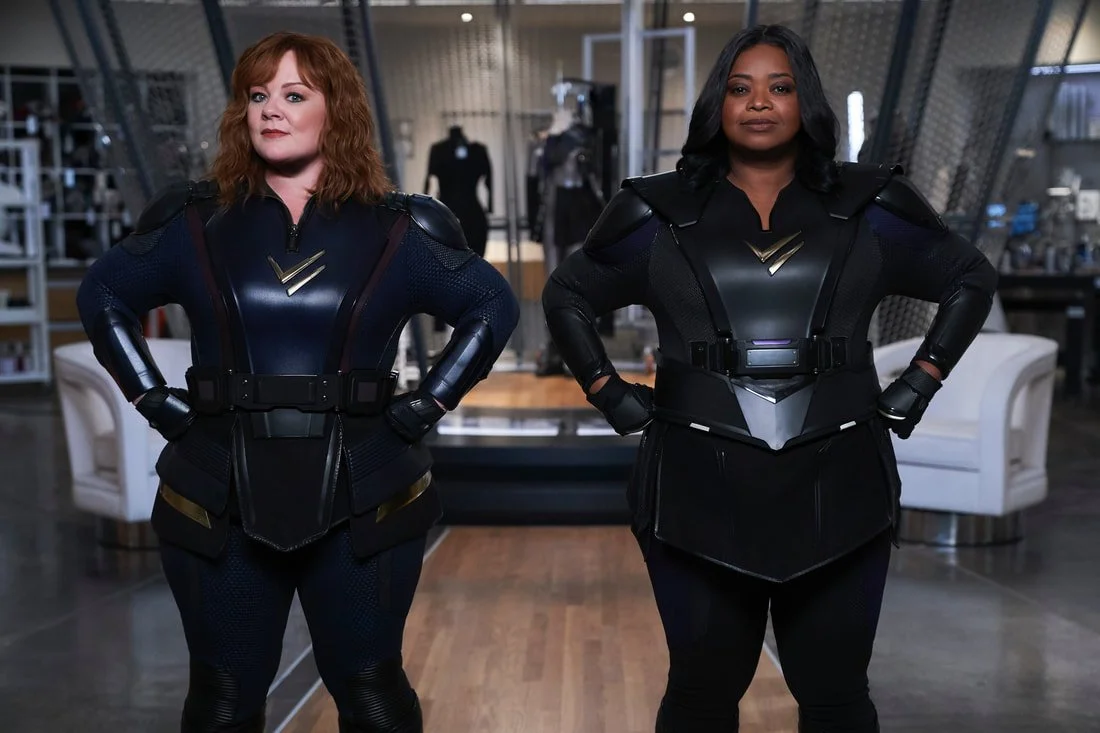
‘Thunder Force’ Review
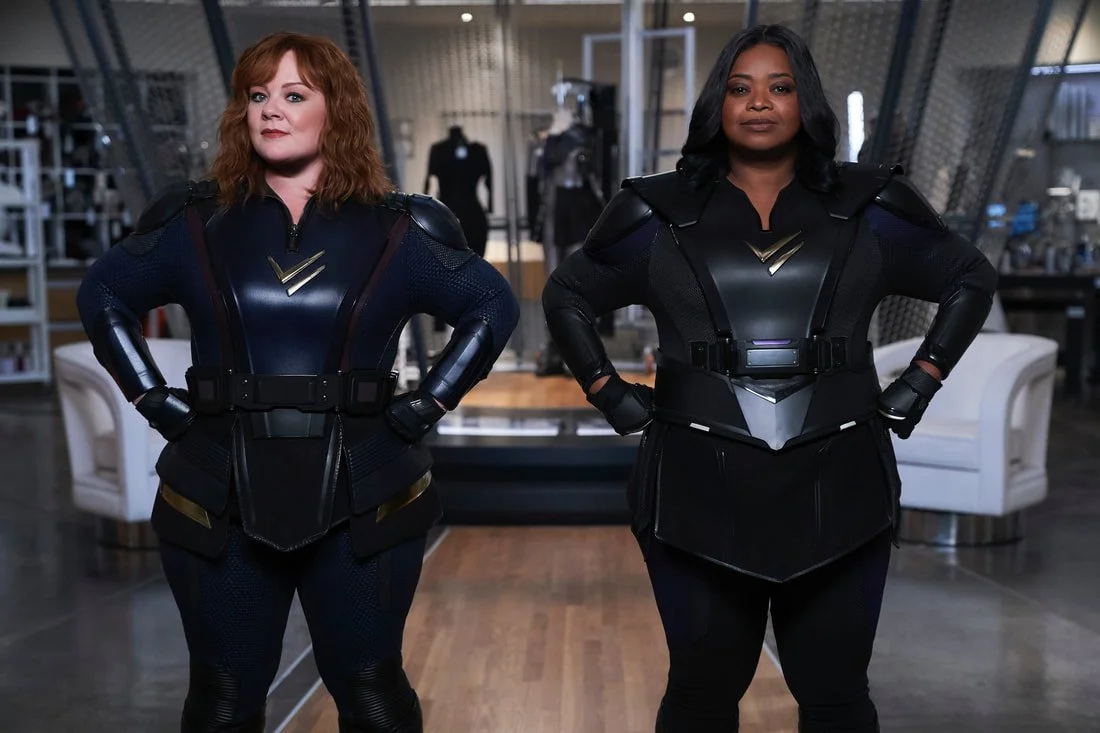
April 10, 2021
Thunder Force marks the fifth feature film collaboration between writer-director Ben Falcone and star Melissa McCarthy (who has also co-written some of their previous projects). This time around, the comedic duo tackle the superhero universe. In an alternate Chicago where super villains (also known as miscreants) are commonplace, two childhood best friends reunite as superheroes after one creates a treatment that gives people powers to fight back. Given the premise and cast, Thunder Force boasts fun potential. There are a few admirably refreshing themes brought to the forefront, from friendship and the power of inner strength to watching the two leads break stereotypes. For starters, rarely are women of their age given the opportunity to lead in a superhero universe. Do these themes translate well onto the screen? Ben Falcone unfortunately drops the ball in creating an experience that maintains connection to whatever happens on screen. His direction is strangely apathetic; moments that should be pulsating with energy feel eerily drained and vacant. As a comedy that doesn’t often play to the actors’ strengths, Thunder Force falls spectacularly flat.
Melissa McCarthy and Octavia Spencer play superhero characters whose powers go beyond super strength and invisibility. Their inner strengths also shine through, particularly in Spencer’s character Emily, who builds her own headquarters for creating treatments that give people superpowers. Having lost her parents in the crossfire of a miscreant attack, her determination and intelligence see her through to spectacular success after years of work. Lydia (McCarthy) is more on the free falling side; she works the odd job and leads a very different life to her former friend. When Emily doesn’t shop up at a high school reunion night, Lydia decides to surprise her at work. It’s a surprise that Emily welcomes without hesitation, a smart way of indicating perhaps she too was reminiscing and thinking about her former friend.
Spencer and McCarthy make a great duo on paper; both deserved a much stronger film to share their chemistry, although they do at least bring some presence. The way their friendship is depicted on screen is one of the few admirable aspects of the film. There’s the awkwardness of rekindling what was once an inseparable bond. There’s the recognition in each other certain traits that show why they became friends in the first place. But given the weak combination of Falcone’s direction and writing, there is only so much those two can do to shine beyond the material. McCarthy tries hard to maintain the energy, while Spencer is a lot more subdued than the zany tone the film appears to be going for. They share a few charming moments, but ultimately there’s an overwhelming feeling that this film is a waste of their talents.
Thunder Force feels like different films cobbled together as one. It’s a goofy superhero comedy full of outrageous characters such as The Crab (Jason Bateman with claws for hands), The King (Bobby Cannavale as a seedy politician), and Laser (Pom Klementieff as a villainous accomplice), who are all known as Miscreants (evil superhumans). Everyone does a fine job, especially Bateman given his connection to McCarthy’s character. But much like the leads, their talent feels wasted. Thunder Force is also a story chronicling a strong female friendship from childhood to adulthood. Lydia and Emily are inseparable, until they aren’t. They have a falling out, Emily goes on to achieve great success, and Lydia pushes through nerves to contact her again several years later. Their friendship makes for an admirable theme, but the screenplay rushes through their relationship without much tact, in favor of pushing for a zany experience in the vein of a project like Barb and Star Go to Vista Del Mar. While the two films are incredibly different, both do share a similar thread of portraying female friendship in a larger-than-life adventure. Barb and Star fully embraces the ridiculousness (much to the film’s success), which is an approach that perhaps could have improved the floundering experience that is Thunder Force.
Thunder Force is now streaming exclusively on Netflix.
Canadian Film Fest (CFF) 2021 Reviews
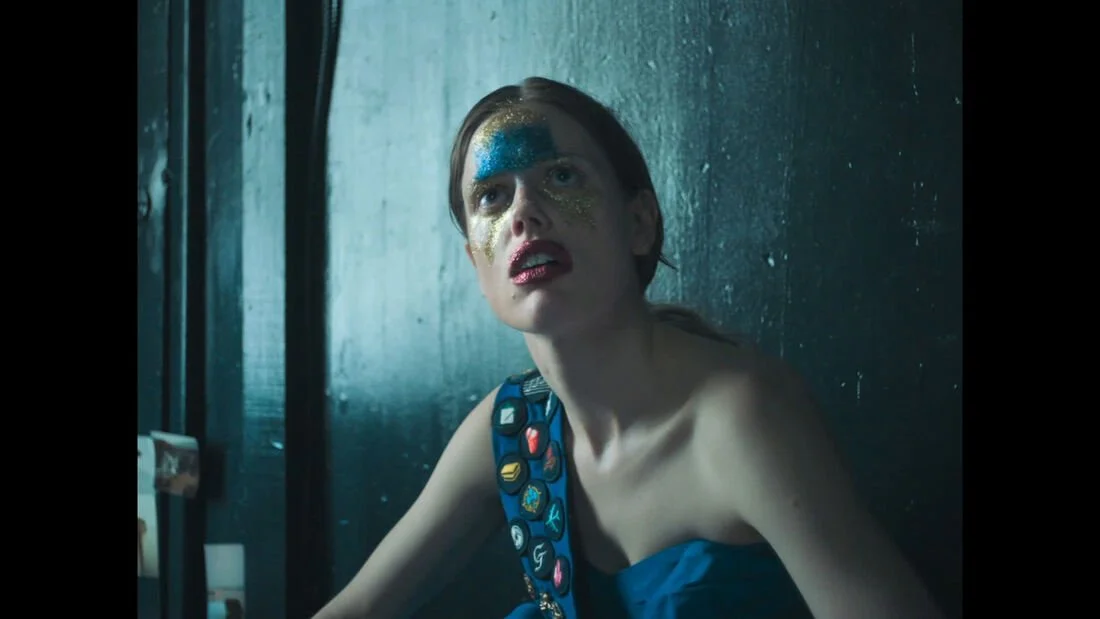
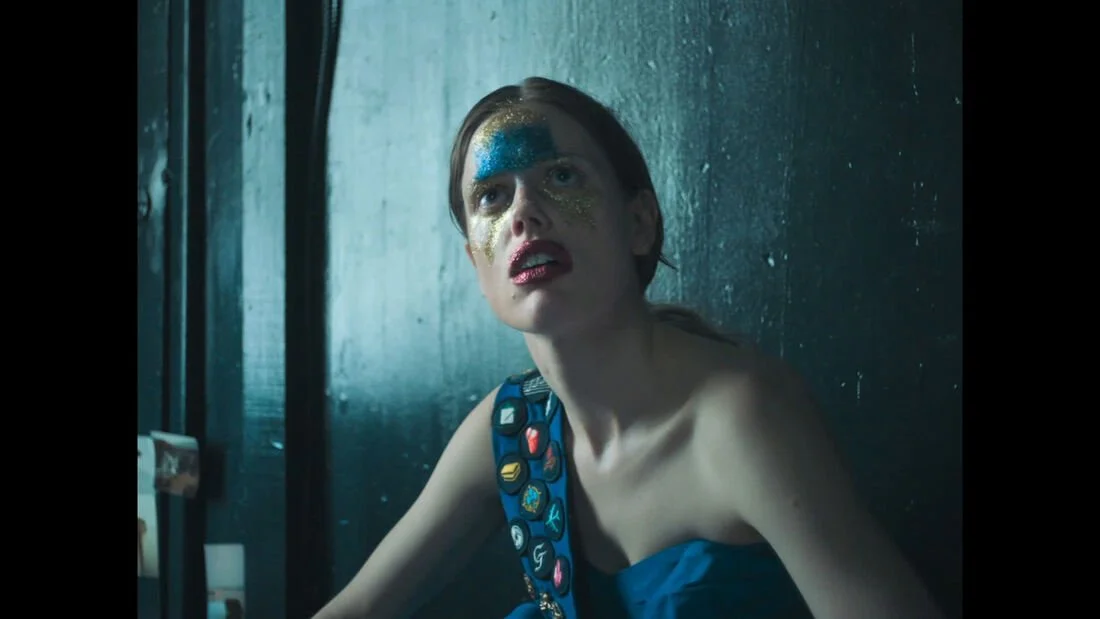
“Sugar Daddy is an electric experience to behold, most of all thanks to a wonderful performance by Kelly McCormack who carries the film to fruition.”
April 3, 2021
The Canadian Film Fest (CFF) is a non-profit organization devoted to the celebration, promotion and advancement of Canadian filmmaking talent. 🇨🇦 CFF celebrates its 15th anniversary this year, and brings audiences a selection of Canadian independent films (features and shorts) through a virtual festival experience. Kicking off the festival was the Toronto premiere of Wendy Morgan’s feature film Sugar Daddy, written by and starring Kelly McCormack. Read the full review below!
With an emotionally resonating and layered story at its core, Sugar Daddy is an experimental gem in filmmaking. This film explores a specific moment in a young woman’s life where she feels conflicted about her own voice and seeks approval outside of her self. The protagonist, Darren (Kelly McCormack), dreams of becoming a musician but doesn’t have the time nor money she wants to fully create. She works multiple part-time jobs from catering to babysitting, anything she can find to pay the rent. At one particular catering gig, Darren meets a woman whose college tuition is being paid off from having a sugar daddy. Their encounter plants a seed, and after Darren suddenly gets fired that same night, she decides on signing up to a paid-dating website. What follows is a wickedly intriguing and observational drama about self-worth, femininity, and reconciliation. Sugar Daddy is a compelling film that showcases incredibly bright talent in front of and behind the screen.
One of the most intriguing strengths about this film is the potent exploration of artistry. Darren processes her emotions through creating music; the way she conjures and visualizes her thoughts, especially in response to certain situations that arise in her life, creates moments on screen that provide a glimpse into her mind. These moments feel like something out of a music video, yet simultaneously fit like puzzle pieces in a film that explores a woman’s personal journey. Kelly McCormack’s screenplay doesn’t follow a three act formula often seen in films, especially ones about young adults finding themselves. The character of Darren doesn’t have an enormous arc where she suddenly finds success as a musician. She has a social media account where she posts her videos, but there is no insight given into her follower count or who is listening. Sugar Daddy explores the tiny ups and downs of her creative process, the glimmers of promise and the disrespect of feeling commodified. The visual performance art scenes that appear throughout the film add a resonating layer to this story, giving a moment’s pause to Darren’s internal journey.
Kelly McCormack’s performance as Darren gives a fascinating window into this world. She plays a character who makes some questionable decisions, and she maintains a strong emotional connection as the story follows her through the perpetual chaotic process of self-discovery. McCormack conveys her character’s feeling of disrespect and dissatisfaction within the industry, as her femininity and self-worth are being commodified on so many levels. Her performance feels incredibly passionate and truthful, which drives the story to explore realistic conversations about self-worth. While she spends most of the film looking for money and time, her real desires underneath call for reconciliation and self-approval, which she often seeks from everyone but herself. It’s a compelling exploration of internal conflict that McCormack captures incredibly well. Her impeccable screen presence carries the film, and she raises the game with her fellow co-stars who don’t quite reach her level.
McCormack’s talent as a screenwriter also shines through a thought-provoking story. The film touches on layers upon layers of self-worth, approval from men, reconciliation with family members, relationship dynamics between friends, and the way women are commodified beyond sex work. The relationship between Darren and her roommate Peter (Ishan Davé) is a compelling thematic ground as he begins to weigh the value of their friendship by how much she gives back to him. He’s always there for her and gets nothing in return, to which she replies, is her friendship not enough? There are a lot of resonating themes being explored in a fascinating way that gives a moment’s pause and poses multiple questions, especially in retrospect. Perhaps the most potent ground for discussion is the dinner scene, in which a conversation takes place between Darren and her circle of friends after they find out she’s doing paid-dating. A difference of opinions erupts and the tension in the room is palpable to say the least.
Wendy Morgan’s direction, Kristin Fieldhouse’s cinematography, and Christine Armstrong’s editing add to the visceral experience of this film. Each and every moment of performance art in particular, a perfect example being a magnetic ‘car opera’ scene, feels like entering a rabbit hole of the protagonist’s mind where her creativity lives. The consistent strength of Sugar Daddy is having Darren at the center, watching her feel through specific moments in time through music and art. The story brings up a strong exploration of how she observes the world around her, how others perceive her to be, and how their perceptions of her change over the course of the film based on commodity and self-expression. Sugar Daddy is an electric experience to behold, most of all thanks to a wonderful performance by Kelly McCormack who carries the film to fruition.
The 2021 Canadian Film Fest runs from April 1st to April 17th.
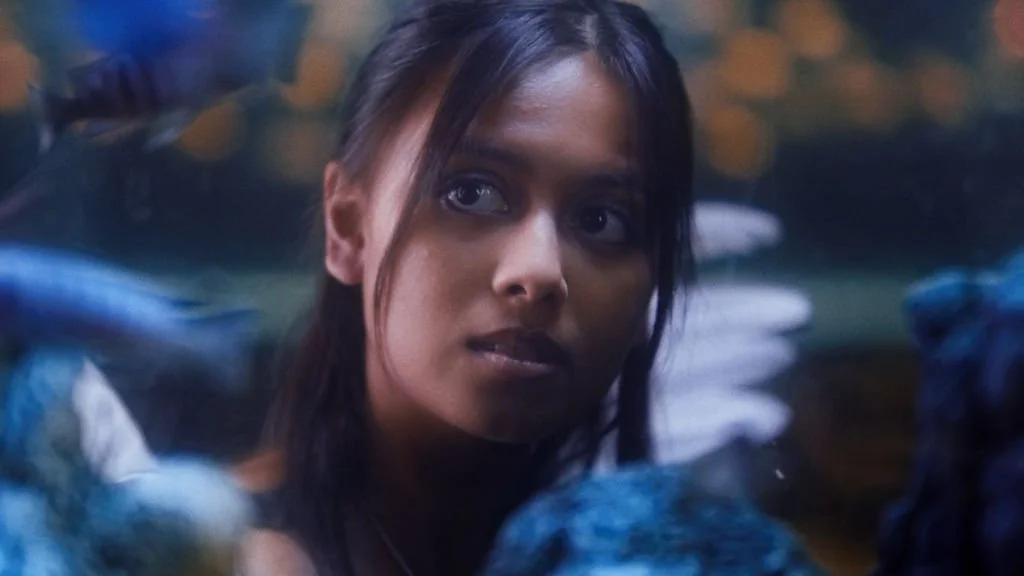
“White Elephant reflects a strong coming-of-age story about a teenage girl who wants more in life.”
April 5, 2021
The quest for self-love plays a compelling role in White Elephant, the first feature written and directed by Andrew Chung (as Andrew C). Set in 1996 Scarborough-Markham, the film follows Pooja (Zaarin Bushra), a South Asian teenage girl with a passion for movies and a crush on a white boy who works at a video store across from her high school. From the dreamy Luhrmann-esque Romeo + Juliet fish tank scene to the rock/pop anthem opening credits, the 90s certainly shine through in a charming way. As does the naïveté of young love, which in just an hour’s runtime becomes a well-paced intersectional slice of life about a girl who discovers the importance of self-love.
The strength of realism in world-building is refreshing to see in this film. Growing up in a South Asian neighbourhood, Pooja and her friends experience daily racism seen particularly from boy crush Trevor (Jesse Nasmith) and his friends. In addition, Pooja’s admiration for mainstream Hollywood love stories is an interesting detail that trickles down to the way she sees Trevor. The story initially plays out as a romantic comedy, which then branches out into so many resonating themes and gives the film a unique point of view. White Elephant is instantly endearing, a quality maintained by Zaarin Bushra’s accomplished performance in the leading role. While most of the performances feel on the one-dimensional side, which speaks more to the short runtime of the film, this story has a talented anchor in Bushra’s work. She conveys a sentimental yearning for the love depicted in movies she holds near and dear, including Luhrmann’s Romeo + Juliet, from which Chung replicates another scene towards the end of the film. Infusing this grand love story in particular, not to mention evoking sensations remarkably similar to what is felt in Luhrmann’s adaptation, feels like a fitting homage for Pooja’s wistfulness and dramatic change of heart.
Zaarin Bushra’s performance is a wonderful unity of optimism, frustration, and dream-like longing. A charming car scene of Pooja’s dad driving her home evokes the feeling of pretending to be in a music video. Another car scene, which features an insightful conversation between Pooja and her dad, brings strong characterization to the forefront of this film. White Elephant reflects a strong coming-of-age story about a teenage girl who wants more in life. She doesn’t want to hang out at a coffee shop every single day “like a bunch of senior citizens.” Pooja is an incredibly endearing character brought to life by a performance that makes one yearn for more screen time and hopeful for what Andrew Chung (and Zaarin Bushra) do next.
The 2021 Canadian Film Fest runs from April 1st to April 17th.
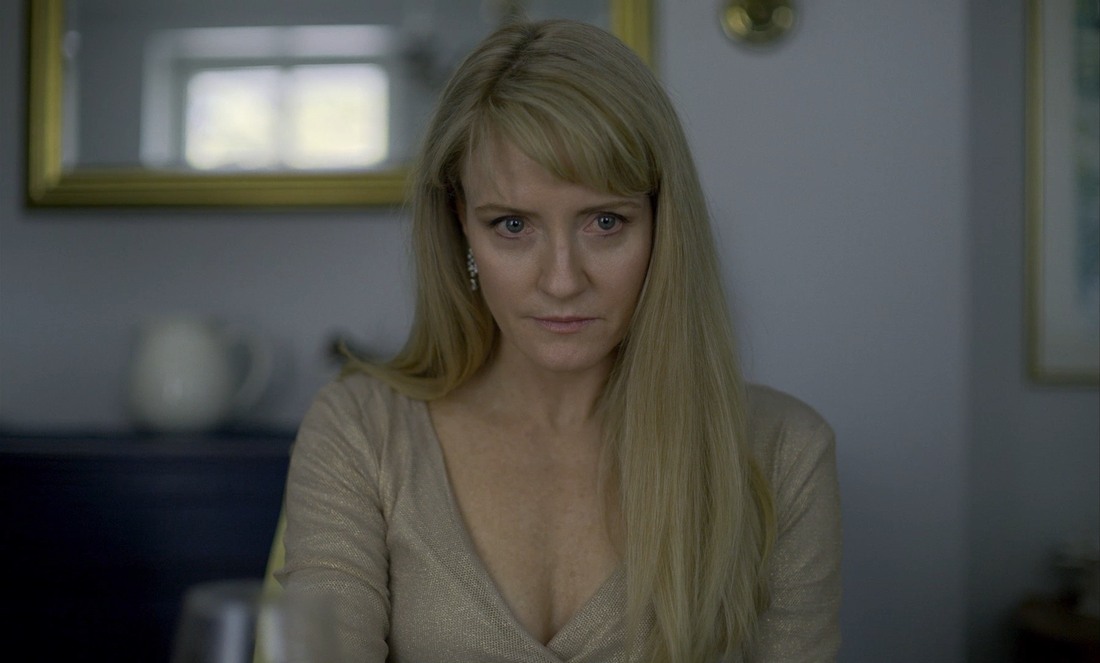
“Woman In Car is a hypnotic journey of family secrets and class, led by Hélène Joy’s fantastic performance as a woman haunted by the skeletons rattling in her closet.”
April 9, 2021
Anne leads a life of sophistication. She lives in a beautiful scenic house on the hill surrounded by serenity, but something is bubbling underneath the surface. Nearby is a bow and arrow, ready for her to take aim. Anne (Hélène Joy), the protagonist of Vanya Rose’s first feature film Woman In Car, is an incredibly observational character. She is full of intensity and in perpetual hesitation, always on the verge of unraveling. She is overcome with something, and Hélène Joy’s performance is a masterclass of withholding as much as possible until secrets come to light. The film plays on vagueness and sits with its characters, in moments of rest and silence, as though waiting to see what they choose to reveal. Woman In Car is a hypnotic journey of family secrets and class, led by Hélène Joy’s fantastic performance as a woman haunted by the skeletons rattling in her closet.
The story unravels around Anne, who appears composed on the surface. The countdown to her wedding day winds down. Following her previous marriage, which ended under mysterious circumstances, she is on the verge of a fresh start in life. But in watching Joy’s detailed and layered performance, there is an immediate sense that something is not right. The gears in her mind are turning. What is she thinking about? Writer-director Vanya Rose makes the brilliant decision to tell this story as though puzzle pieces are slowly coming together. The film begins in the midst of Anne’s idyllic livelihood, which begins to crumble when her stepson Owen (Aidan Ritchie) returns home with his girlfriend Safiye (Liane Balaban) and triggers secrets from the past. Anne develops an obsession with Safiye, an “outsider” whom she fears could destroy her privileged protective bubble. The possibility of Anne’s life being ruined looms over her, and she struggles to keep her secrets hidden. The performers, especially Hélène Joy in the lead role, bring this journey to life with plenty of lived-in details.
Hélène Joy carries this film with her remarkable screen presence, felt deeply from the first frame. She conveys the paranoia of Anne’s world slowly closing in on her, and the steadfast resistance from being caught in a web of secrets. Through her performance, she evokes that there is more to Anne than meets the eye. Some of the most interesting revelations happen in moments of complete silence, when the camera simply focuses on her observations and facial expressions. The direction and writing compliment her strengths as an actor incredibly well.
Vanya Rose has an intriguing vision and a strong emotional investment in showing, rather than telling. What makes Woman In Car so special is a thoughtful, layered character study at the center. Rather than reveal Anne’s past front the get-go and spend the rest of the film teasing whether she’ll be found out, the film opts for a far more interesting build-up. Vanya Rose slowly chips away at the polished, wealthy facade Anne masks herself with. It is through this approach that Rose explores upper class privilege and the power characters of that world wield around like threats. This is certainly a film that benefits greatly from not knowing too much about plot points beforehand. Woman In Car is a consistently engaging and mysterious experience with an accomplished lead performance at its core.
The 2021 Canadian Film Fest runs from April 1st to April 17th.
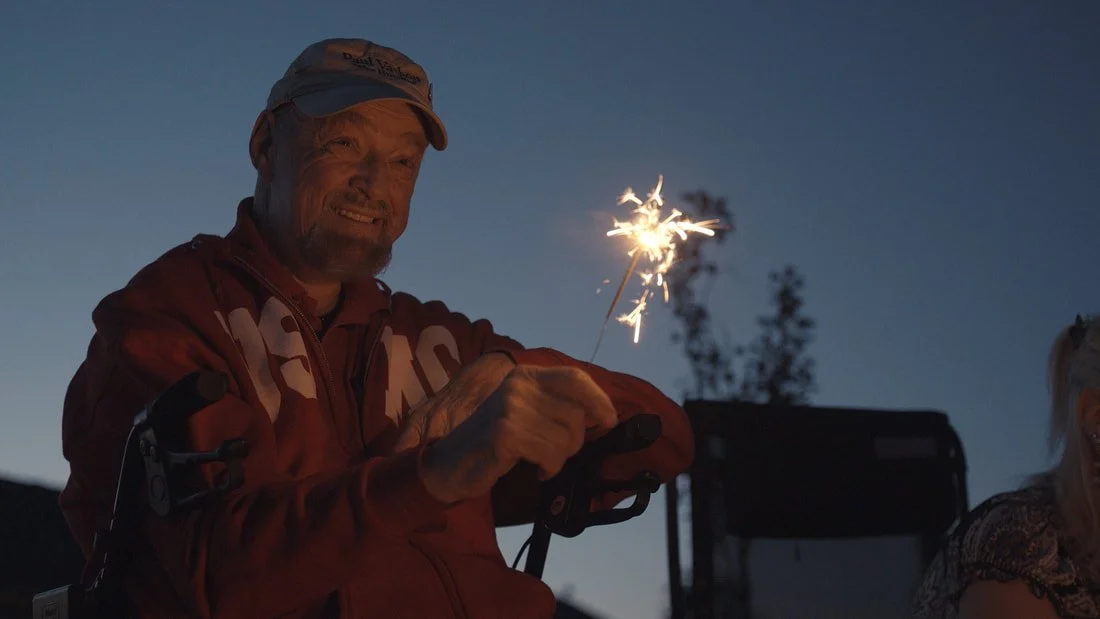
“Conversations around family, identity, purpose, and the passing of time make The Last Villains an endearing slice of a rather nomadic way of life.”
April 12, 2021
The Last Villains, Mad Dog & the Butcher is a larger-than-life story in which reality transcends fiction. Directed by Thomas Rinfret, the documentary chronicles the legendary Vachon family of pro wrestlers as recounted by the family’s surviving member, Paul “The Butcher” Vachon. Paul wrote books about his perceptions of the past, hoping his stories could magically escape reality. The filmmakers have a strong foundation in their narrator Paul, who brings an insightful and authentic perspective as he opens a personal window into the Vachon world of wrestling. But this is much more than a wrestling story. Conversations around family, identity, purpose, and the passing of time make The Last Villains an endearing slice of a rather nomadic way of life.
The Last Villains is told through an effective storybook approach, and some chapters are naturally far more interesting than others. The consistent focus on family ties is the glue that holds this documentary together. Maurice Vachon, Paul’s older brother, was a Canadian professional wrestler and veteran of the ring known as “Mad Dog”. Along with their sister Vivienne, the Vachons were the only family to have three representatives in the wrestling Hall of Fame. The key to Maurice’s success in particular was that people hated him. Known as one of the most vicious villains in the wrestling world, as seen and heard in archival footage, he created a character that saw his notoriety soar among audiences. After 20 years in the ring, he traveled the world and became a legend in his lifetime. Seeing how wrestling shaped Maurice’s life was enough for Paul to follow in his older brother’s footsteps. As a former farm boy, Paul wanted the majestic life promised by the illusion he saw on television.
One of the most resonating aspects of Thomas Rinfret’s storytelling is the way he maps out a narrative through the subject’s unique memories. It’s an interesting juxtaposition between the unwritten rule of wrestling, never break character and never shatter the illusion. The Last Villains explores how much of the Vachons’ identities are rooted in wrestling as a way of life, and how much their careers were defined by whether or not their ring names were memorable. The documentary also adds a strong layer about living almost in the shadows of successful family members and wanting to make one's own way. Mad Dog’s success had a ripple effect on Paul and their sister Vivienne, who inspired a generation of women to become professional wrestlers. Underneath all the wrestling personas is a family who went their separate ways to pursue paths that took them around the world.
Mad Dog has a constant presence throughout, but there is a far more interesting narrative happening elsewhere, one of which is Paul trying to find his purpose outside of wrestling. He and his wife Rebecca take road trips to sell his wrestling memorabilia, books, and knick-knacks. His books are a tunnel into the past, an outlet for him to keep the memories alive when the general public have forgotten his presence. Another interesting narrative regards the women in Paul’s life, sister Vivienne who died suddenly at 48 and daughter Luna (who also went into wrestling and developed a villainous character much like Mad Dog). It’s both endearing and heartbreaking to hear Paul’s recognition of lost time, which brings him to make efforts to rekindle extended family connections. The Last Villains, Mad Dog & the Butcher embarks on an impactful journey about family. While the wrestling subject matter doesn’t garner a lot of interest personally, the relationship dynamics are what carry this story. The documentary is a strong reminder of how quickly time vanishes and how a carefully crafted identity can change the course of one’s life.
‘Together Together’ Review
April 26, 2021
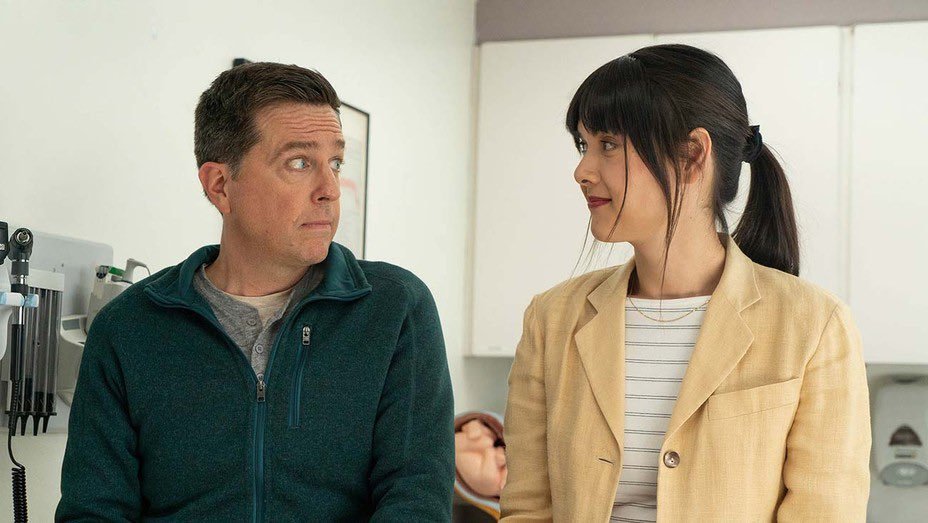
Great films about platonic love are few and far between in the mainstream. So rarely are these relationships portrayed on screen without aiming for romance as the end-goal. When a film as sweet as Together Together comes along, there is an optimistic tilt towards seeing more stories that address such relationships in a tactful way. Following up on her first feature film Stockholm, Pennsylvania (starring Saoirse Ronan), writer/director Nicole Beckwith brings her refreshing perspective to a story about two people bonded by a shared experience. Rather than portray the trappings of societal expectations around topics such as parenthood and pregnancy, Beckwith leans in with an inquisitive eye. Why, asks one of the protagonists, is the idea of being a single mother frowned upon while the idea of being a single father is cute? Why is being single seen as hopeless or a lost cause after a certain age? Together Together is a charming portrait of a relationship that truthfully explores how perceptions of love challenge the way people relate to each other.
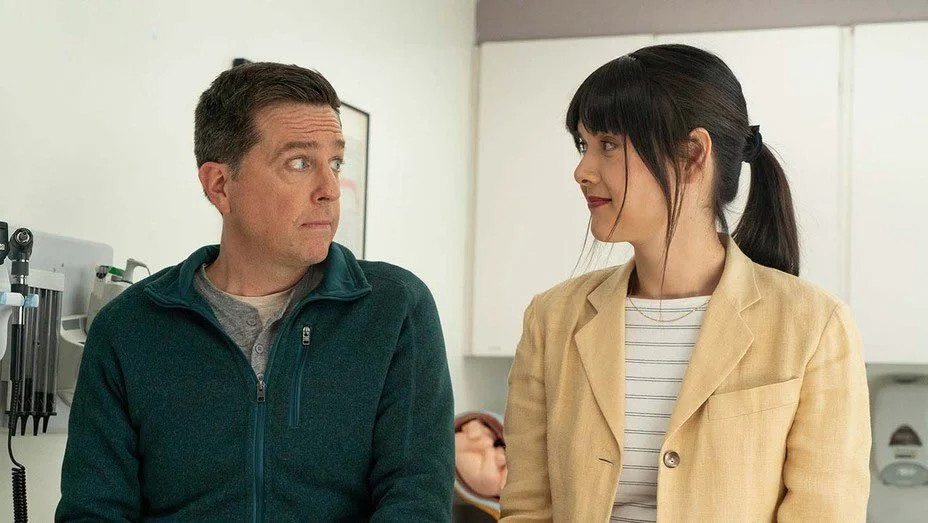
At the core of this story is the relationship between a middle-aged bachelor named Matt (Ed Helms) and a young surrogate named Anna (Patti Harrison). Matt is about to become a first-time parent, which he is fidgety and excited about. His family and friends seem on board, yet there is a hesitance in the air to fully embrace his decision to become a dad through surrogacy. He’s perceived as hopeless for spending this chapter alone, but he just so happens to be single, and he’s just pursuing what he cares about. Anna also happens to be single, and at a point where she’s navigating through life in her mid 20s. There is a tendency on Matt’s part to be extra protective and hovering, as though pregnancy makes her suddenly fragile. But she’s fully capable of carrying on with everyday life. Nicole Beckwith writes with a matter-of-factness that ground these characters in truthfulness. Anna and Matt’s relationship is developed with a level of tenderness that sets this film apart from rom-com tropes with predictable arcs. Beckwith focuses on the tiny details of their bond and shows how it eschews the notion of romance. Anna and Matt aren’t ‘together’ together, but all the shopping trips, sleepovers and parenting classes amount to a lot of time spent together. Sometimes Anna feels like a charity case whose individuality goes unseen by Matt. As the two learn more about each other, their relationship takes shape and they recognize the importance of boundaries.
The film chronicles a particular moment in their lives that is shared by matter of bringing life into the world. Having such a clear focus on these two characters makes Together Together an absolute joy to watch. Patti Harrison and Ed Helms bring their roles to life with an abundance of charm and a chemistry that is instantly lovable. Harrison’s performance in particular is incredibly layered, and she balances so many tonal shifts, often times in a single moment. Anna is a wonderfully written character; her desire to hold onto what makes her an individual, as she’s going through the process of pregnancy, is a powerful focal point in the film. Harrison’s co-star Helms is also a joy to watch for his charming portrayal of Matt. His character is a poignant depiction of hope; he knows what he wants, and is undeterred by how middle-aged single parenting through surrogacy is perceived. Harrison and Helms together are dynamite. Every moment of awkwardness, uncertainty, and heartfelt confessionals feels refreshingly real. Adding to the shine of their performances is Beckwith’s wonderful screenplay.
Together Together is an earnest, funny, and refreshing conversational piece. Beckwith strikes up a resonating discussion about intimacy that is often sugarcoated within the rom-com genre. There are no cliché emotional arcs that suddenly turn a platonic friendship into romance. Beckwith subverts glossy versions of pregnancy and parenthood, instead far more interested in exploring that safe space in a platonic relationship where these topics are discussed openly without judgment. At the heart of this film is an exploration of identity through pregnancy and through friendship. It’s a story about two people learning about each other’s needs as they each pursue what they care about and find comfort in the safe space of intimate togetherness.
‘The Mitchells vs. The Machines’ Review
April 29, 2021
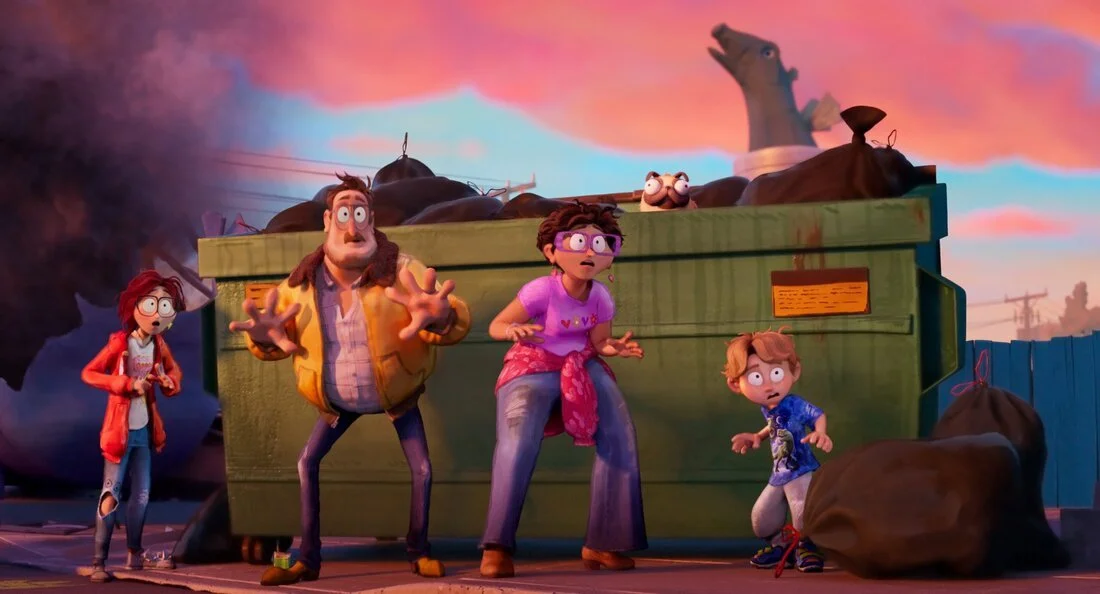
From the creators of Spider-Man: Into the Spider-Verse comes another must-see adventure.The Mitchells vs. The Machines is an imaginative delight and a loving embrace of individuality. Directed and written by Michael Rianda and Jeff Rowe, the story is infused with a passion for movies. Whether it be watching or making or starring in movies, the celebration of this medium truly shines on screen, as do many resonating themes. Now more than ever, loved ones are having to find new ways of connecting with each other during a time when technology rules all. The film parallels this sentiment beautifully. Villains are carved out of the tech world, leaving the fate of the world to the last family on earth. The Mitchells are here as an entertaining, poignant reminder to protect and nourish human connection.
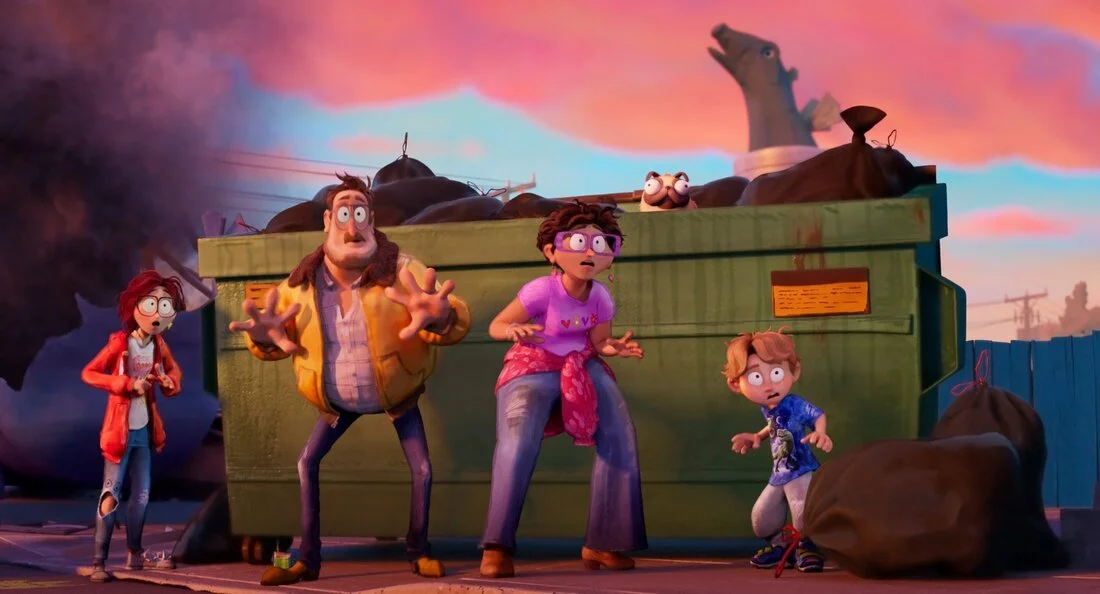
The Mitchells vs. The Machines follows an ordinary quirky family who suddenly find themselves in the middle of a robot apocalypse while on a bonding road trip. Katie (Abbi Jacobson), the teenager of the family, loves making and watching movies. She’s a passionate creator who’s been accepted into the film school of her dreams. She wants to leave home and find her people, an instantly relatable sentiment. Katie’s dad Rick (Danny McBride) isn’t so keen on this news; he struggles to understand her talent and passion for movies. The two often butt heads, much to the chagrin of mom Linda (Maya Rudolph) and Katie’s little brother Aaron (Michael Rianda) who just want to see them get along. As a last-ditch effort to bond before Katie moves away, Rick decides to cancel her flight to school and round up the entire family (and their adorable dog for a road trip to her campus. Little do the Mitchells know, soon it’ll be up to them to save the world from a robot uprising. Everything from smartphones, to kitchen appliances, to evil Furbys are tasked with capturing every human on the planet. At the charge is PAL (Olivia Colman), a once-cherished digital assistant deemed obsolete after its founder upgrades to a robot assistant. Angered by how the humans take advantage and substitute real connections for technology, PAL sets off to throw all humans away to create a robot society.
Each and every frame of this film is bursting with creativity. The gorgeous animation, splattering of comic book effects, wicked action sequences, and colourful details show a pure love for imagination. Beyond the vibrant visuals is an incredibly smart story with resonating takeaways. The Mitchells are a dysfunctional family that unite and work together when faced with a challenge, learning how to better connect with each other in the process. Katie and Rick are the standout Mitchell characters, as the story focuses on this father-daughter relationship at the core. It’s moving to watch them grow closer over the course of the film and learn to understand one another. Katie is the first queer central protagonist in a studio animated family film. She’s incredibly well written and voiced by the super talented Abbi Jacobson, who infuses so much energy to every moment. Each of the characters are entertaining and easy to connect with. All of the voice work is wonderful, but there is a clear MVP and that is the great Olivia Colman. Playing the villain of the piece, she brings her brilliant comedic sensibilities and makes a tiny little phone feel like such a giant presence. It’s absolutely magical what Colman is able to do with a role that emotes through a simply drawn face on a phone. Her lines are gold, each and every one of them.
The Mitchells vs. The Machines is a big-hearted story about a family finding ways to connect with each other. The technological revolution in this film is depicted with funny self-awareness. In many ways, this film hits very close to home now more than ever. It’s about being human in an increasingly technology-based world. It’s a reminder to hold tight and enjoy precious time with the people most important to you. It’s about embracing individuality and learning how to connect with one another at a time when everyone leans on social media to fill in the gaps. The Mitchells vs. The Machines celebrates uniqueness and cherishes the importance of staying connected on a human level.
‘Things Heard & Seen’ Review
April 30, 2021
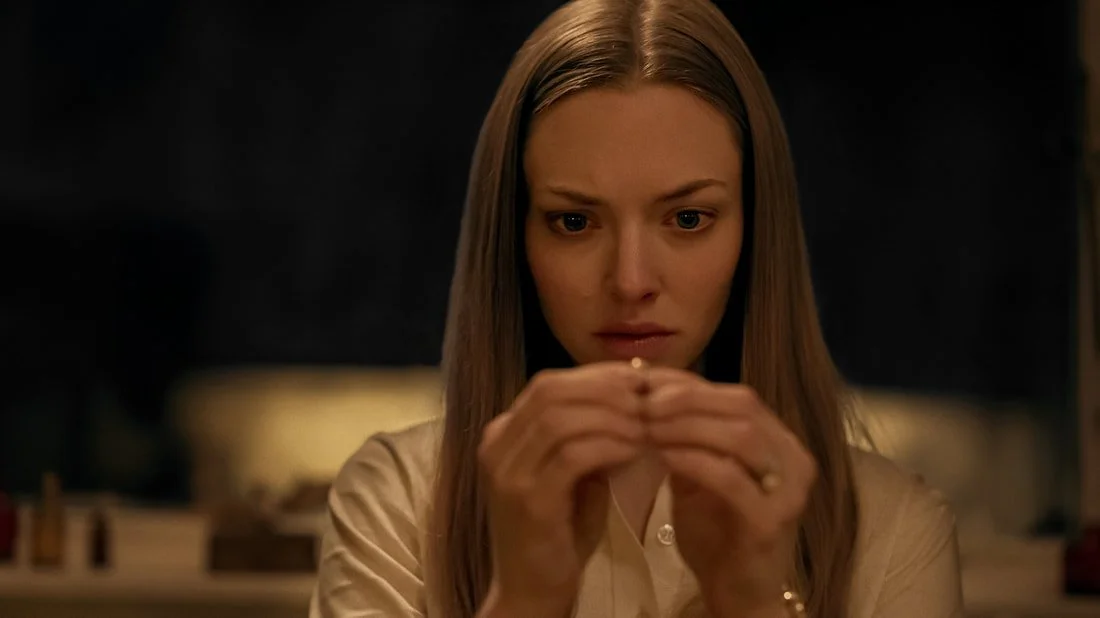
Somewhere deep within Things Heard & Seen is the potential for a decent horror film. The ingredients are on the page. Based on the acclaimed gothic novel ‘All Things Cease To Appear’ by Elizabeth Brundage, the scares are rooted in sacrifice and isolation, both of which can describe the protagonists’ marriage. The Claires are a Manhattan couple who move from the city to a historic hamlet in the Hudson Valley. Catherine (Amanda Seyfried) is an artist who gives up her whole life so that George (James Norton) can take an art history professor job at a private college upstate. Together with daughter Franny (Ana Sophia Heger), they move into a secluded farmhouse that spells trouble, as the opening scene suggests. This haunted house of horrors turns out to be the mirror image of the Claires’ relationship and subsequently, the film itself: doomed from the start.
The opening scene is one of many head-scratching examples of flat imagery in the film. Moments that aim for visual subtext come across as contrived. The story often falls down a rabbit hole of on-the-nose effects, including a non-threatening recurring ghost and a blackbird that crashes into a window at the most opportune moment. One scare tactic that the film does infuse well is when a spooky figure appears in plain sight and goes unnoticed. Another well-made scene captures a chilling nightmare, which causes genuine second-hand concern for the person who experiences it. But these are two of very few gems in a film that skirts past interesting themes in favour of tracing George’s increasingly unhinged motivations. Norton plays possessive arrogance scarily well, so much so that a lot of his actions warrant sighing at the screen out of frustration. His character is awful in every sense of the word; he’s a controlling husband who plays into a facade of concern for Catherine’s wellbeing. Much of the film is set up to follow how much worse he becomes. But the decision to plant these malevolent seeds for a rushed, nonsensical climax (and an even worse ending) is made at the expense of intriguing ideas that are much more worthy of exploration.
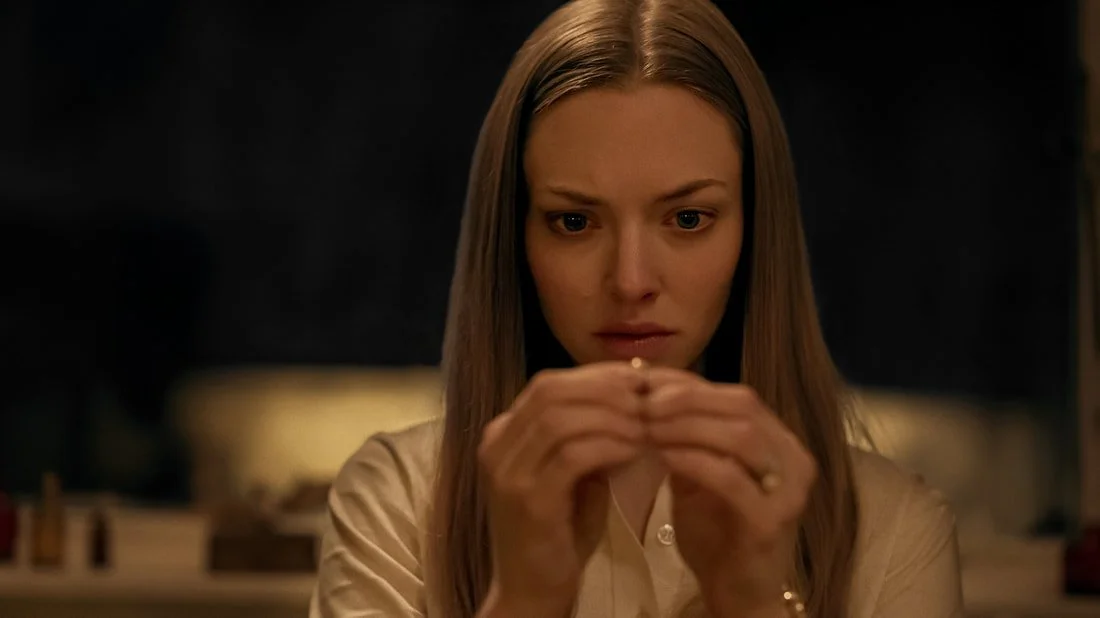
The spooky things heard and seen are largely from Catherine’s perspective. Not long into the film, she begins to notice strange happenings in the house. A creaking chair, a phantom piano, a flash of light, a worsening smell, a mysterious ring, all concocted by a supernatural presence. But this presence is not lurking in solitude. George knows more about this house than he lets on, which leads Catherine to discover that their marriage is tainted by a sinister darkness. Amanda Seyfried brings a grounded, charismatic star quality to Catherine and elevates the material with a good performance that could have been great. This messy adaptation, written and directed by Shari Springer Berman and Robert Pulcini, makes it very tempting to skip what’s happening on screen and watch First Reformed (a far spookier Seyfried film) instead. The filmmakers tease an interesting narrative but switch gears to focus on George, especially in the second act when he vehemently charges at loose ends who could compromise the skeletons in his closet. As a consequence, there’s a missed opportunity in relegating Catherine to the background as she plays in reaction to him. Catherine’s disillusionment is the real underbelly of this story. She uproots her entire life (family, friends, career) in service to George’s deliberations and false promises. To watch her become so crashingly aware of what’s real, and try to catch her breath in such wild circumstances, leaves a lasting impact that Seyfried puts a compelling stamp on. The film takes a disappointing turn by veering further away from Catherine as a driving force of the narrative.
The only way to kill temptation is to step right into it, according to a handyman (Alex Neustaedter) with whom Catherine finds brief…companionship. Religious language and imagery jumps out in this film, not necessary to any avail other than to recognize that these observations have been made. Catherine is a self-described conflicted Catholic girl at heart. She puts all her faith in George that everything will work out. One of the earliest scenes of Catherine shows her painting the inside of a church. It is her who conveniently finds a bible tucked away on top of a shelf in her new house. The first few questions from her mother after the big move are whether she’s been eating and praying, and if there’s a church nearby she can go to. Everyone in Catherine’s life tends to blame everything that goes wrong on her not eating. Her bulimia is depicted a few times, without being addressed. It’s one of many examples of the fast-forwarding that goes on in this film, speeding past details about characters that go unconsidered.
Things Heard & Seen has a talented cast, but most are relegated to cardboard cutout characters. To name a few, Rhea Seehorn, Natalia Dyer, and F. Murray Abraham are around simply to move the plot along. There’s a gravitational pull about Seehorn’s character Justine, one of George’s colleagues. Catherine feels drawn to how free Justine is with her self and her body. Their kinship comes into play on a spiritual level later on, but as is often the case in this film, many potentially intriguing aspects are poorly executed. At one point, Abraham’s character Floyd DeBeers walks into Catherine’s house and within seconds, recognizes a spirit is amongst them and immediately wants to hold a seance without George’s presence. This is not to say that Mr. DeBeers (a fellow college professor) wouldn’t have suspicions about his colleague, nor would knowledge of the supernatural be implausible. But his character is so specifically created for such a moment to exist, as are the majority of characters in a film racing to reach a climax that needs conveniently placed roles to keep the house fires burning.
Haunted houses as parallels to the people who inhabit them is a refreshing perspective to explore. Films of the past year such as Natalie Erika James’ Relic and Sean Durkin’s The Nest see the house as another character in the story, in which a labyrinth of walls and enormous empty spaces speak volumes. Not only in terms of strong imagery, but also as a powerful mirror to the psyche of a character. The fixer-upper farmhouse in Things Heard & Seen plays to the idea of a new family overriding the previous owners and rearranging history, only to find that the past bleeds into the present. It is telling that the people who live in this upstate town feel compelled to the house physically and even mentally, whether it’s handymen watching it from afar or local community employees raising an eyebrow at the very mention of it. Clearly, a house whose inhabitants are doomed from the moment they step foot inside. The overwhelming isolation that this house brings particularly to Catherine also paints a clearer image of the person she’s married to. But for all the afterthoughts of potential themes that could’ve been explored in theory, the things heard and seen in the film itself are more akin to watching paint dry.
‘Street Gang: How We Got To Sesame Street’ Review
May 6, 2021
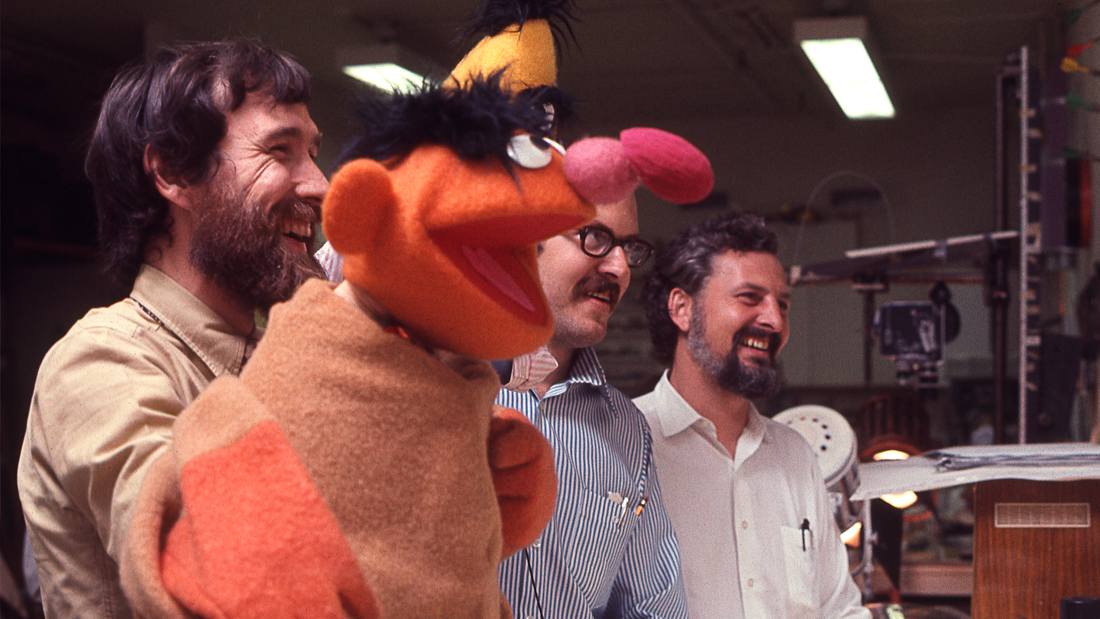
Marilyn Agrelo’s delightful documentary chronicles the origins and meteoric rise of a revolutionary program that changed television. In the spirit of the show, Street Gang: How We Got To Sesame Street is a lesson on creative collaboration and the influential power of television. In the late 60s, during the height of commercial television, children were responding to catchy advertisements with jingles. Television was their reality; they absorbed and retained what they heard on screen, which consisted primarily of product placements. So why not leverage the medium for social good? What would television become if it loved people instead of sold to them? Street Gang answers the questions of who paved the way to open Sesame. Agrelo’s documentary is an exceptional Sesame Street origin story that spans a group of creatives who came together to help inner-city children with education.
Incredibly ambitious for its time, Sesame Street hit the crest of a wave for change. The intentionality behind this show, in wanting to bring real conversations into people’s homes, is felt deeply. Agrelo brings attention to some of the people who were influential in shaping Sesame Street, traveling back in time to how the late 60s/early 70s climate helped inform the urge for more education. Hearing the perspectives of insiders shines a light on how their industry began facing up to the responsibility of TV as a powerful medium. American television producer Joan Ganz Cooney recognized the need for education as the centerpiece in shows for children. After traveling the United States and Canada interviewing experts in child development, she reported her findings in a document called ‘The Potential Uses of Television in Preschool Education’. This study became the blueprint for what Sesame Street would become. She co-founded Children’s Television Workshop (now Sesame Workshop) specifically to oversee the show’s production. She opened the door to a room full of creatives, some of whom did not get the recognition they deserved.
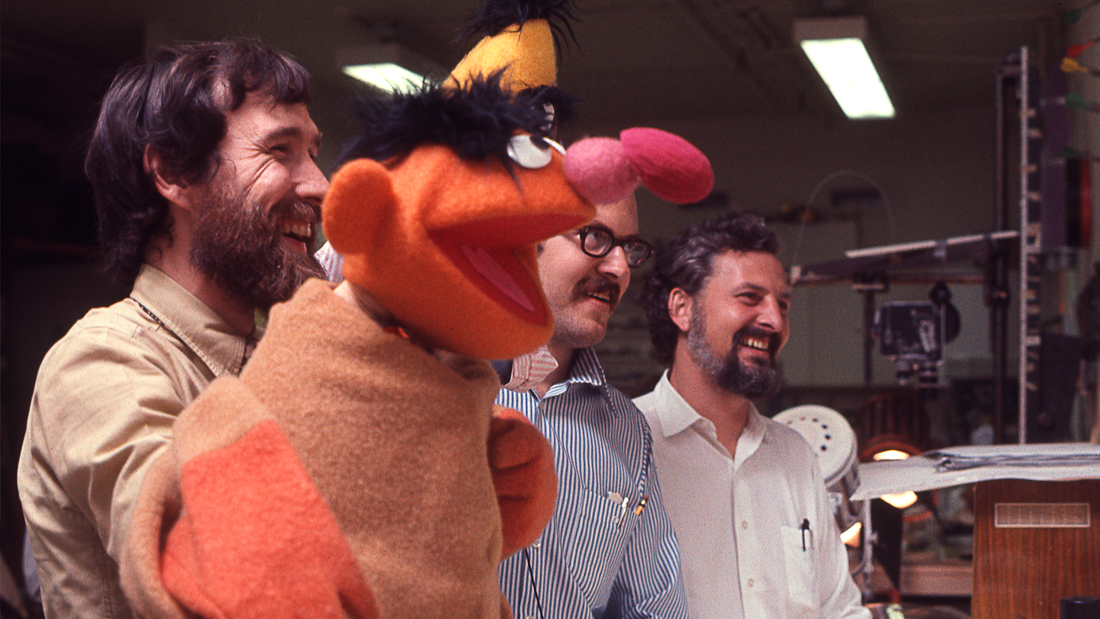
One of the earliest voices of Sesame Street was television writer/producer Jon Stone, who was credited as the creative force of the show. Through his own words, as well as those of his colleagues and family members, his all-consuming dedication was in the service of making well-written material with sophisticated humour. The intention was not only to educate children but also appeal to adults, keeping in mind that families would ideally be watching the program together. Everything from the music to the muppets were made on a level of sophistication that speaks directly to people, not down at them. Stone’s name was an undeniable key to the show’s success, and he tended to be overshadowed in retrospect by a more high profile contributor. The general public’s assumption was that Jim Henson started Sesame Street, largely because his creation of the Muppets was so closely tied to the fabric of the program. The documentary addresses this without delving into too much detail. More focus is on establishing the contributions both men made to the show, and how well their ideas meshed together to create something special. Henson’s dark sense of humour (as seen in the Muppet origins on late-night television, such as the Wilkins Coffee commercials) clicked with the intentionality of the program to engage in mature conversations through entertainment.
One of the benefits of focusing on the first 20 years of a long-lasting (and still-current) show is that the filmmakers can go deeper into its foundation. Agrelo pulls back the curtain and includes rare behind-the-scenes footage from the set. It’s a treat to watch a group of creatives bounce ideas off one another in the writers’ room and collaborate with a shared passion for making something meaningful. So much of what is initially synonymous with Sesame Street involves the Muppets, the iconic steps, and the overall vibrant musical experience. But behind the curtain, the show is a strong reflection of how the world felt at the time of its origins. So much of the show’s development is an explanation for why the creators needed to address important topics. There is an authenticity and a mirroring of reality that audiences recognized in the show, leading to its groundbreaking success. Real conversations were happening on screen, not just amongst the creators but to the people watching. Following the death of Will Lee, who played Mr. Hooper on the show, Jon Stone directed a powerful segment where Big Bird learns of Mr. Hooper’s death. The concept of educating children on death and mourning was one of the most prominent examples of why this show was groundbreaking for its time. Including this segment also gives the documentary a strong emotional core.
As a child who grew up watching Sesame Street, this documentary immediately brings back a wave of nostalgia. The sense of familiarity, whether it be through the theme song or the iconic muppet characters, radiates on screen from beginning to end. While great focus is brought to the many creatives who made Sesame Street a reality, sometimes the documentary feels like a free-falling observation. Plenty of conversations are made around where the vision and style come from; there’s a lot of storytelling through floating heads, which mostly services a first-hand account of the inspirational creatives behind the show. There is a missed opportunity in not delving more into the aftermath of why this show began in the first place: to help children with education and provide access to inner-city children, specifically Black children who were not provided with equal educational resources. The response to Sesame Street and the growth of its audience is an aspect that flies under the radar. The show saw Woodstock-level crowds during major city tours. In addition to the creatives who paved the way, those who found the way to Sesame Street and felt its impact carry a perspective that the documentary could have spent a little more time with. In addition, long-time members of the cast including Sonia Manzano (as Maria Rodriguez) and Roscoe Orman (as Gordon Robinson) contributed so much to the show and could've been given more focus.
At the focus of this documentary is a tight-knit, collaborative group of creatives who brought ambition to fruition. Street Gang: How We Got To Sesame Street further instills just how revolutionary this show was in terms of combining entertainment and education, while maintaining education as its main focus. The documentary is a resonating reminder of how influential and formative the media is, especially with children for whom television was their reality. Marilyn Agrelo brings an appreciative, reflective, and insightful approach to this subject matter. Rather than span over decades of the show and land on all the greatest hits, Agrelo structures the narrative around the early days. Naturally a more vulnerable time in the sense that producers took a risk on something that had not been done before. Above all, Street Gang resonates as a heartwarming origin story and an inspiring exploration of people who wanted to make a difference.
Street Gang: How We Got To Sesame Street is available May 7 on Apple, Google Play, and VOD.
‘Playing With Sharks’ Review
May 7, 2021
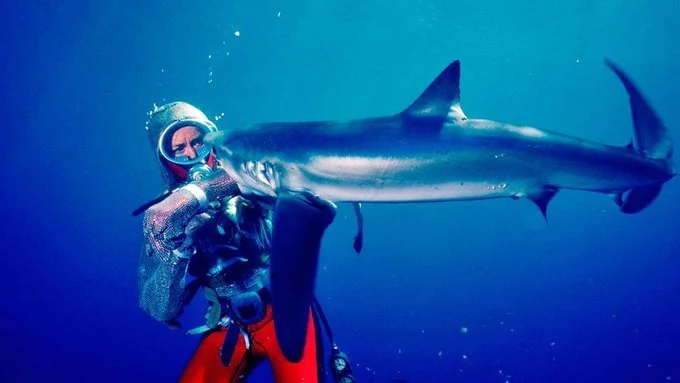
The 1975 film Jaws, directed by Steven Spielberg and based on Peter Benchley’s best-selling book of the same name, was heralded as the first Hollywood blockbuster. The story of a great white shark that terrorizes a New England resort town took home three Oscars and spawned numerous sequels. Beyond industry figures, the global phenomenon struck quite a fearful chord with audiences. The brilliance of Jaws is that the shark is rarely seen in the film. Not knowing the shark’s whereabouts, accompanied by hearing John Williams’ ominous score impending danger, makes the story all the more frightening. Jaws played on the vastness of the ocean, the fear of the unknown. This fictional story was done so realistically that it understandably instilled paranoia among audiences. The fear of sharks was far outweighing the actual danger these creatures inflict. When asked about the danger of swimming with sharks, legendary marine conservationist Valerie Taylor maintains “even a cup of tea can burn you.” Taylor, who was sought out to assist Spielberg on Jaws, quickly realized that perhaps the aftermath of this film would have an unfortunate impact on her own work. People were afraid to venture out into the oceans. People went on shark killing sprees. For Valerie Taylor, who dedicated her life’s work to protecting sharks, the Jaws experience was further encouragement to change our scientific understanding of sharks forever.
Playing With Sharks is a fascinating documentary about Australian conservationist, shark expert, underwater photographer, cinematographer, filmmaker, and former competitive spear fisher Valerie Taylor. What a life she has lived. Taylor forged her path as a fearless diver, daring to swim alongside sharks outside of cages and using herself as bait to film the real sharks for Jaws. The documentary follows her passion, strength, and dedication towards protecting sharks and changing the fearful conversations around them. Director Sally Aitken paints an adventurous and loving portrait of Taylor’s remarkable career, advocacy, and disarming level of confidence. The documentary jumps in the deep end with a sensibility and fierceness similar to its subject.
All the concerns fellow biologists had about sharks, Valerie did not. The sheer presence of a shark would excite her, and the thrill of being around them gives off an infectious energy. Her fearlessness stood out from the crowd, as did being a woman in a male-dominated field of spear fishing and skin diving. Valerie and her husband Ron, conservationist and world spear fishing champion, were at the top of their trade in the 1960s. They were the first to film great white sharks without cage protection. Valerie’s fame skyrocketed after the release of their 1971 documentary ‘Blue Water, White Death’ which follows their search for a great white shark. Valerie was considered a revelation; everyone admired her strength, how she ventured into the unknown and took risks.
One of the risks Valerie took was in the form of her involvement with Jaws. When Universal Pictures contacted her and Ron to ask if Peter Benchley’s book would make a good feature film, the couple read it and said yes. Benchley is quoted as saying he’d have never written the book if he’d known the outcome of the film. For a good chunk, Playing With Sharks becomes more of a behind-the-scenes Jaws documentary about how the animal’s reputation as a horrifying killer was fueled. Sally Aitken lingers on Valerie’s disappointment and frustration of not being listened to. During promotion for the film, she would insist that while it’s a story about dangerous sharks, it’s a fictional story done well. The experience only made her intentions clearer: she was determined to change people’s understanding of sharks and the threats they face, as only 10% of the world’s shark populations survive today. The documentary also touches briefly on shark finning, the horrific targeting of these animals for an international market that boomed in the 1980s. Among the ‘reasons’ given: a demand for shark fin soup.
The documentary combines archival footage and present-day interviews with Valerie, which amplifies just how long she’s been advocating for the oceans and its toothy inhabitants. To this day, every dive she makes has the potential to be a great adventure. Underwater exploration is something many people are afraid to do, one reason being a fear of the unknown. Diving through the water is like being transported to another world, and the exhilaration coming up from those dives is enormous. Once Valerie got her teeth stuck in shark advocacy and ocean exploration, she never let go. Her sheer determination and passion, vowing to dive in a wheelchair if she has to, fill up the screen with admirable energy. Sally Aitken lets her subject lead the way in this real-life tale of a woman’s extraordinary life. Playing With Sharks is an adrenaline rush in which many viewers, shark enthusiasts or not, can find moments to appreciate.
Interview: Macey Chipping on 'Mystic'
May 14, 2021
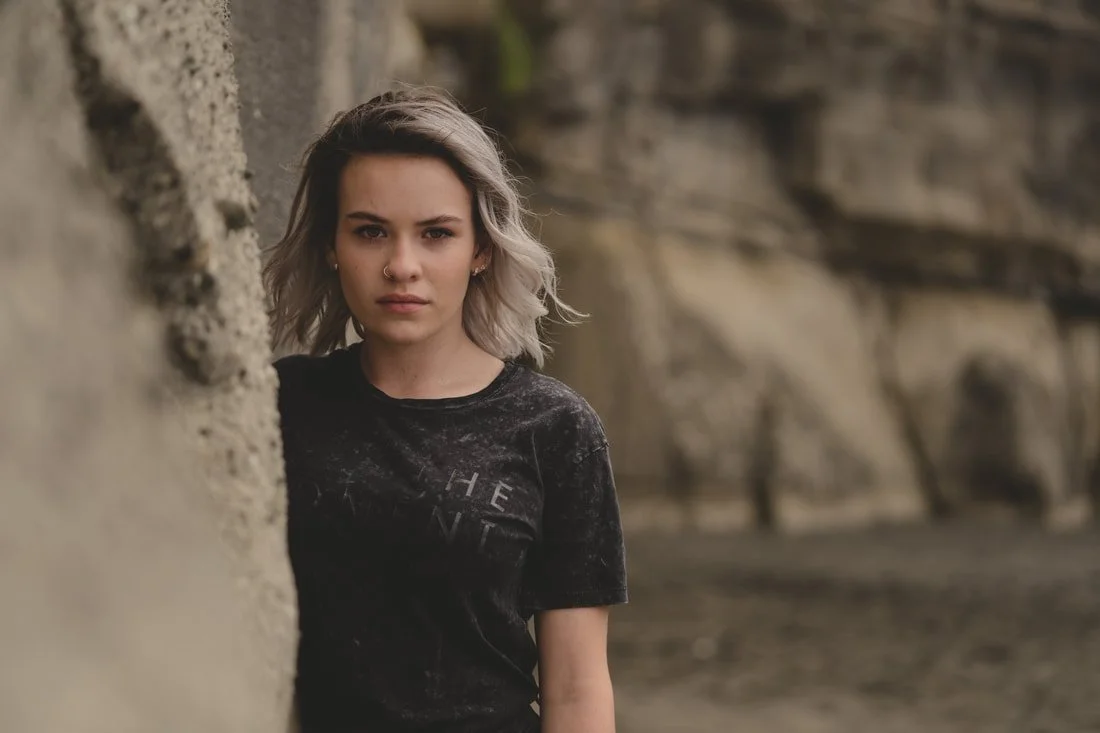
The fictional town of Kauri Point is home to a tight-knit community of people. Shot on location in New Zealand, this small town has a tranquil way of life and a strong sense of togetherness set against a beautiful landscape. But there is more to Kauri Point than meets the eye, and in a town where everyone knows everyone, news travels fast. There’s something incessantly appealing about stories set in small towns. When done well, the intimacy of getting to know a lot of characters and spending time in a place that becomes familiar can become a comfort. Such is the case in Mystic. Filled with adventure, mystery, and resonating universal messages, Mystic is a comforting new family friendly series that people of all ages can engage with.
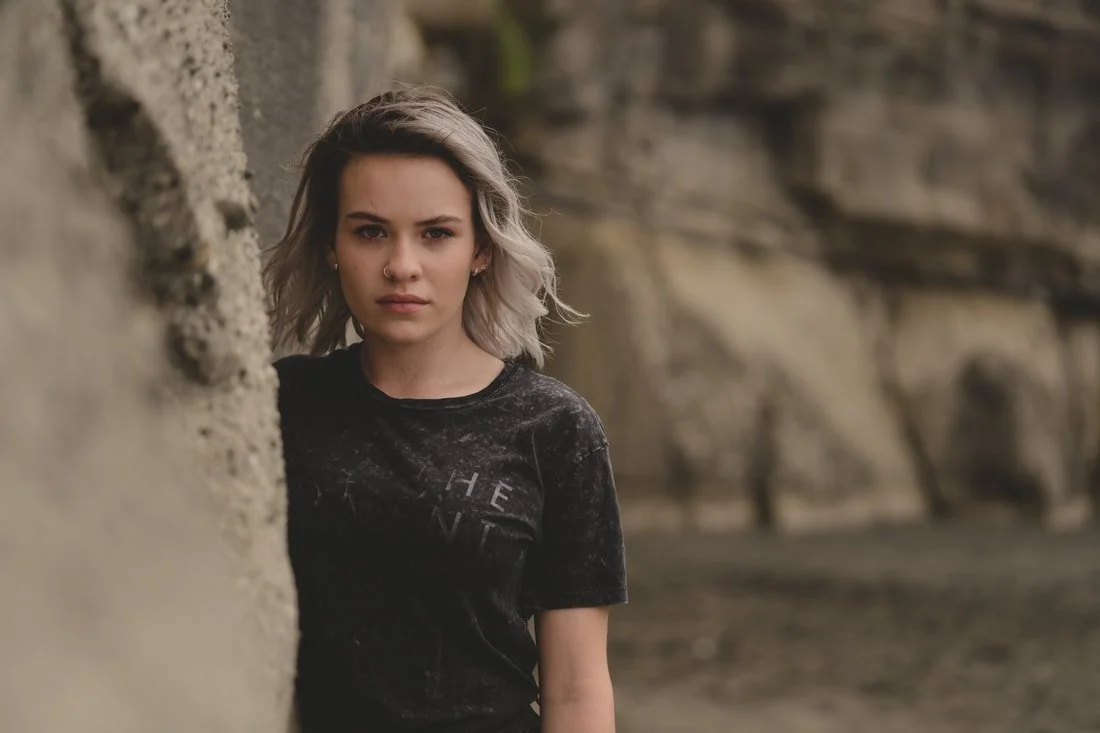
Based on bestselling author Stacy Gregg’s Pony Club Secrets book series, Mystic incorporates multiple genres and speaks to many meaningful themes, from environmentalism to friendship. At the core is a young girl on a spiritual journey of self-discovery. When 14-year-old British girl Issie Brown (Macey Chipping) moves to her mother’s remote hometown in New Zealand following the death of her father, she feels out of place and missing her friends from London. Living with her mom and activist grandmother, Issie befriends members of a local youth equestrian club, and things get strange. With the appearance of Mystic, a spirit horse only Issie can see, she soon uncovers secrets about a mysterious group of horses connected to environmental turmoil.
In this interview, actress Macey Chipping speaks about her role, what drew her to the series, her experience working with horses, and more!
Nadia: Mystic excels at incorporating multiple genres and speaks to many meaningful themes, from environmentalism to friendship. There are universal topics that I think people of all generations can relate to. Was there a specific element about the story that you felt most drawn to?
Macey: I think Issie's storyline about her dad's death drew me in the most. I loved filming it - especially with Laura Patch who plays Amanda, Issie's mum. I think I was drawn to it because Issie never coped with her father's death and that was why she acted the way she did. There’s a scene when she opens up to Amanda and they have that conversation and it was such a huge part of Issie's journey and a real turning point in the relationship between Issie and her mum. Also, as an actor, it’s so great to have deeper and more meaningful scenes because you have to access a lot of emotion and I find that really exciting - there are only so many times a character has a moment like that!
Nadia: Your character, Issie, leads a series in which self-discovery and speaking up on important issues play a large role. You did such a wonderful job portraying her strong-willed personality and her fight for truthfulness, which drive the storyline well. How did you find Issie's voice?
Macey: I love playing Issie because of how headstrong she is and how much she fights for what she believes in. As a girl, I think it’s really important to have that to show the younger viewers that girls are strong that can do the same things as boys and stand up to anyone who’s doing wrong.
Nadia: Were you familiar with Stacy Gregg's Pony Club Secrets book series before Mystic came your way? Did the books become a big resource for you in preparation for filming?
Macey: I actually hadn’t read it before I auditioned and only read the first book in the series when I got a call back audition. I knew the series was going to be an adaptation of the book and therefore it’d be dramatised and changed in certain aspects so I didn’t want to drill the storyline of the book and how the characters are in my head too much, but I thought it was a great book - I really enjoyed reading it.
Nadia: The fictional town of Kauri Point is home to a tight-knit community of people where everyone knows everyone. There's a strong sense of togetherness, especially among the young equestrian club members. Could you speak to working with the incredibly talented ensemble of actors?
Macey: Of course - I honestly have met friends for life on this job. Every single cast member is incredible and they welcomed me in so quickly which was so lovely. We are all so close and support each other and try to uplift each other if anyone needs it. I’m honestly so grateful for the opportunity I’ve been given because if I didn’t get the job I wouldn’t have met these amazing people!
Nadia: We see Issie as a gifted horse rider with raw talent; she connects with horses on a spiritual level. I love that this connection feels embraced in the series, and is considered a gift rather than an oddity. Could you speak to your experience working so closely with the horses?
Macey: Working with horses has been amazing. Learning how to ride, learning about them and forming a bond with your horse has been amazing and a feeling like no other. It obviously makes things a little harder as they are animals and have their own cheeky personalities, but all-in-all they are so well behaved while they're on set with loads of people, cameras in their faces and screens being walked in or held over them. Also seeing and learning about how the horse wranglers train them has been so interesting.
Nadia: I binge-watched the series and already can't wait for more seasons. What excites you most about the idea of returning to your character and to the Mystic world?
Macey: The main thing that excites me is returning to New Zealand and seeing everyone again! But I also want to see how Issie's journey develops - the relationships she's formed with the young riders and Blaze and... possibly any trouble that comes her way...
Mystic premieres Sunday, May 16 at 8pm ET on Super Channel Heart & Home.
Super Channel is available via most Canadian cable providers as well as available live and On Demand via Amazon Video Channels and the Apple TV app. Visit https://www.superchannel.ca/subscribe for more information.
‘Mystic’ Review
May 14, 2021
The fictional town of Kauri Point is home to a tight-knit community of people. Shot on location in New Zealand, this small town has a tranquil way of life and a strong sense of togetherness set against a beautiful landscape. But there is more to Kauri Point than meets the eye, and in a town where everyone knows everyone, news travels fast. There’s something incessantly appealing about stories set in small towns. When done well, the intimacy of getting to know a lot of characters and spending time in a place that becomes familiar can become a comfort. As well, when everyone knows each other on a first name basis, the potentiality for secrets to reverberate is high. In HBO’s prestige crime drama Mare of Easttown, the consequences of crime in a small town have a devastating ripple effect on the residents. Where the show excels is in getting to know multiple characters and all the hidden drama behind them, starting with Kate Winslet’s Mare as her whole world falls out from beneath her.
Beyond this and the many crime detective shows that utilize a similar setting, fueling the appeal of small town stories is how they bend to various genres and scenarios. Canadian hit show Schitt’s Creek sees a rich family suddenly lose everything, and with no other option, they move into a small town in the middle of nowhere. Part of the hilarity (and sincerity) is watching the Rose family interact with the residents like fish out of water, and then form close bonds as a result of getting to know them. Both shows utilize small communities well, and there’s room for another to watch in the family friendly series Mystic.
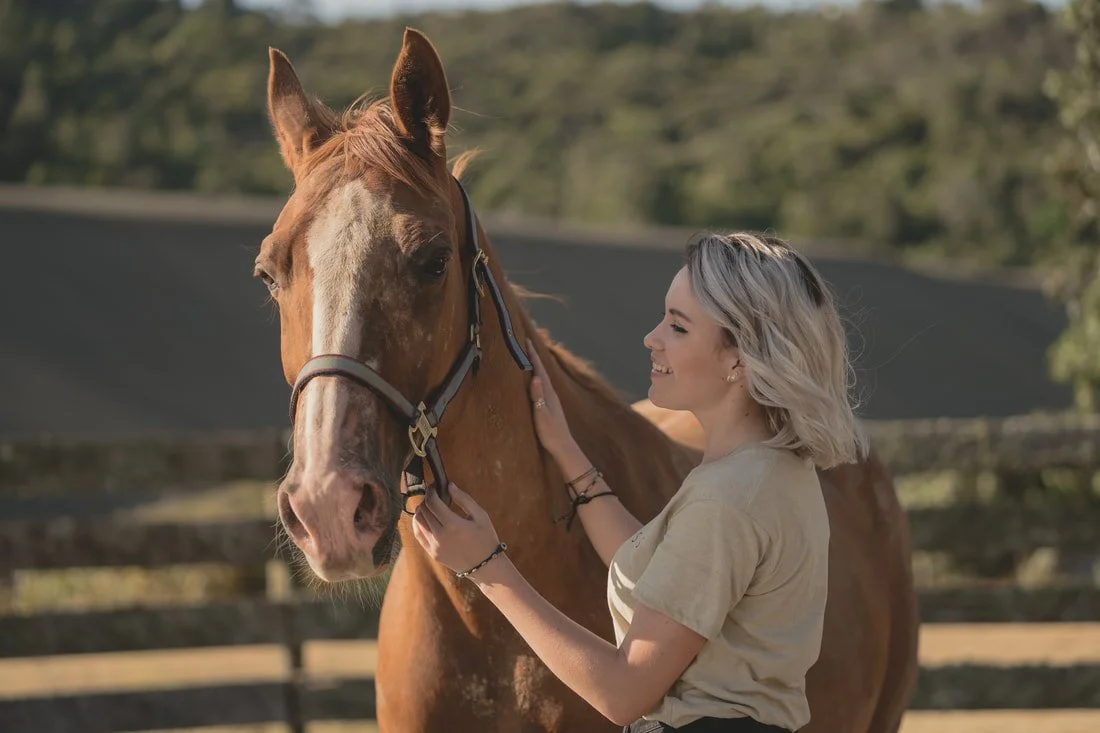
Mystic is based on bestselling author Stacy Gregg’s Pony Club Secrets book series and executive produced by Brian Bird, co-creator of the popular Canadian-American drama series When Calls the Heart. Mystic incorporates multiple genres and speaks to many meaningful themes, from environmentalism to friendship. At the core is a young girl on a spiritual journey of self-discovery. When 14-year-old British girl Issie Brown (Macey Chipping) moves to her mother’s remote hometown in New Zealand following the death of her father, she feels out of place and missing her friends from London. She begrudgingly finds herself in Kauri Point, which appears to be an ordinary community where horse riding is the popular activity. Living with her mom and activist grandmother, Issie befriends members of a local youth equestrian club, and things get strange. With the appearance of Mystic, a spirit horse only Issie can see, she soon uncovers secrets about a mysterious group of horses connected to environmental turmoil. An industrial development threatens to destroy their community and landscape. Issie, along with her (real) horse Blaze, and the club must find a way to save Kauri Point from disaster.
Issie is a wonderful protagonist for the series as she fights for the truth at all costs. When faced with a challenge, whether it be friendship drama, trouble riding a horse, or threats from a multi-billion dollar company, she maintains her stance and moves with the intention to learn. The move to Kauri Point has put a strain on Issie’s relationship with her mom Amanda (Laura Patch), as leaving London feels like leaving behind memories of her late father. Issie has a tendency to go rogue, while her mom has a steady rulebook approach. The two naturally butt heads, and with Issie’s grandmother Mitch (Cathy Downes) in the picture, 3 generations of women in one household brings a lot of texture to the story. Their often quick-witted conversations create some charming and humorous moments among the more sprawling themes like environmental concerns and spiritual bonding. Macey Chipping is up to the task and does a wonderful job portraying her character’s strong-willed personality. Given how much of the story hinges on discovering truths and unmasking corporate greed, Issie is a great character to go on this adventure with as she pushes for transparency. Chipping also shows a wonderful balance of Issie feeling out of her element yet also wanting to belong, and slowly discovering her potential with the support of her new friends.
Mystic is set against the beautiful backdrop of New Zealand, naturally making each and every frame a picturesque one. The cinematography by Dave Cameron and Drew Sturge give this series an ethereal lens. They capture a secluded pocket of the world that has ancient untouched land, which further drives home the importance of environmental protection. The ethereal quality also fits very well with the spiritual nature of the story. While some shots of the mystic horse and Issie’s visions are a little cheesy-looking, they evoke a magical setting that is consistent throughout the series. Mystic covers universal topics that people of all generations can relate to and feel strongly about. Environmental stability in particular is of course an ongoing worldwide discussion, and its exploration feels like a natural part of the series. The story shines a light on the importance of educating yourself on such concerns and using your voice to make a difference. While some lines feel thrown in for the purpose of sharing a statistic, there’s a lot to be said for how the series brings attention to a younger generation. A cast of mostly teenagers band together to take down Hexronn, a multi national company threatening to trample over Kauri Point and clear an ancient forest to build a plastic bottling plant. Hexronn divides people of the town, as many applaud them for creating jobs and sponsoring local sports teams, not batting an eye at the environmental cost. It’s up to Issie and her friends to make a change, which mirrors much of today’s reality where more youth are speaking up against corrupt measures.
A strong sense of community also plays a strong role throughout, particularly among the equestrian club. While Issie’s actions drive much of the plot, Mystic dedicates time and patience to fleshing out a lot of the young characters. Their shared storylines result in some heartfelt dynamics and touch on the importance of inclusivity. There is great representation of LGBTQ acceptance with the character of Caleb (Joshua Tan) and his experience coming out to his friends. As well, the focus on Issie’s relationship with her mom brings more depth to Issie’s past, and how she’s been dealing with a lot of regret and sadness about her father. The series sees a catharsis for this character and an extra insight into why she developed such a strong connection to her horse, the only one she feels truly understood by.
Issie has multiple visions about wild horses throughout, each one leading her closer to uncovering the secrets buried in Kauri Point. Viewers can discover clues to the mystery along with her, which makes for an entertaining journey of awaiting how she’ll decide to take action after each vision. The series does have a tendency to overtly explain all that’s going on, which turns out to be Mystic’s biggest weakness. Some of the writing feels stilted as the series takes a literal approach, which often knocks the wind out of its sails. Moments of heightened drama and mystery lack the tension to fuel elements mysterious elements, of which there are many. Given the strong visual storytelling and how often visions play a part in revealing clues, the series doesn’t fully take advantage of this opportunity to show rather than tell. Thankfully, the wit and enthusiasm of an incredibly talented cast help elevate the material into a charming experience.
Mystic is not simply a story about horses for horse enthusiasts. The series touches on an abundance of meaningful themes, and maintains its core focus as a journey of self-discovery. There are interesting parallels drawn between Issie’s spiritual bond with horses and the spiritual bond she has with herself. The series has strong portrayals of friendship, family dynamics, environmental activism, and the notion that the younger generation will be the ones to implement change. With each episode of this 13-part series, the message of protecting our planet from greed and harm reverberates stronger. Filled with adventure, mystery, and resonating universal messages, Mystic is a comforting story that people of all ages can engage with.
Mystic premieres Sunday, May 16 at 8pm ET on Super Channel Heart & Home.
Super Channel is available via most Canadian cable providers as well as available live and On Demand via Amazon Video Channels and the Apple TV app. Visit https://www.superchannel.ca/subscribe for more information.
Interview: Vanessa Matsui on 'Ghost BFF’
May 15, 2021
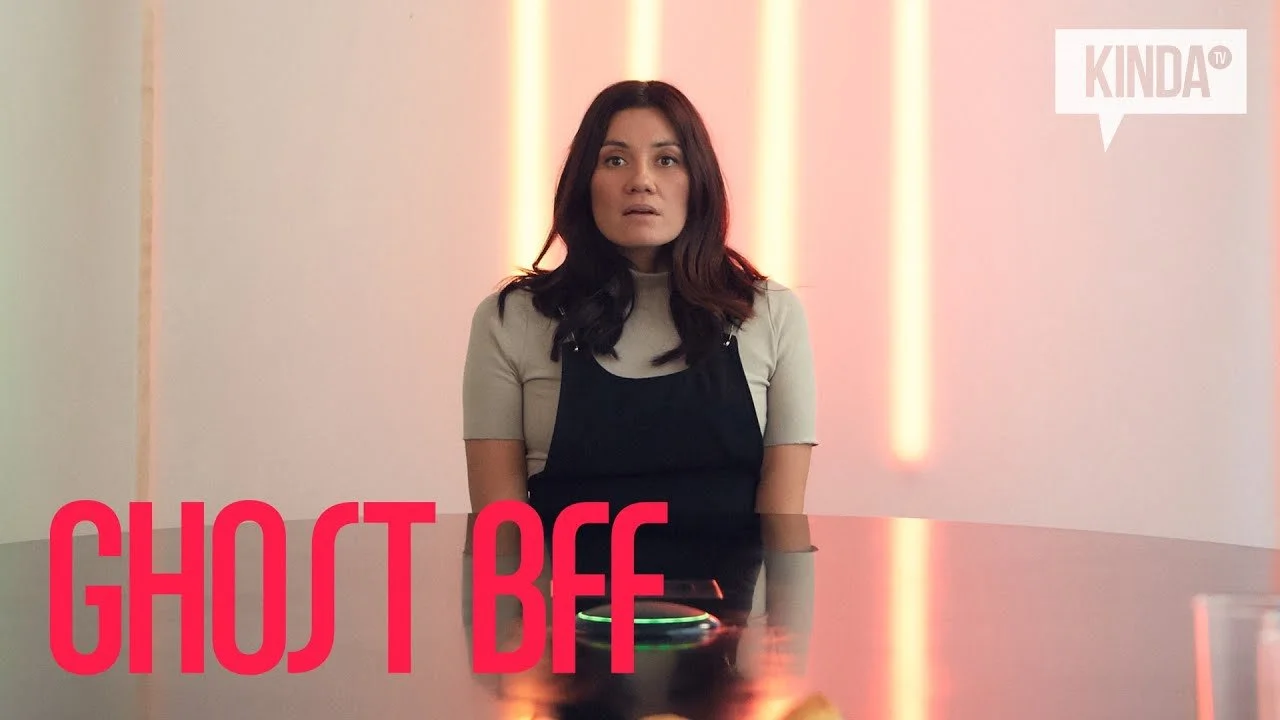
Now more than ever, mental health is important to prioritize and discuss openly. Everyone has a different experience, and sometimes it can feel overwhelming to reach out for help. Some of the most comforting words to hear are that you are not alone. The arts are important as a reflection of reality you can draw on to better understand your emotions and to know that others might feel a similar way. One of the greatest on-screen portrayals of mental health is Ghost BFF, a dark comedy web series that follows two best friends (one alive, one dead) as they struggle to find themselves and right past wrongs following a suicide. Amy (played by Vanessa Matsui) has developed anxiety after the loss of her best friend Tara (played by Kaniehtiio Horn). Suddenly, Tara returns from the dead as a ghost with unfinished business. Tara’s presence brings Amy to question who she is and where her life is headed. Best friends literally forever.
I completely fell in love with Ghost BFF. As someone who can relate to topics discussed in the series, I find myself often going back to rewatch episodes. There’s a comforting openness to it that draws me in, and makes me feel less alone. This wonderful women-led series shines a light on mental health and tackles heavy subject matter within a comedic framework, while remaining totally grounded. Topics such as depression, anxiety, suicide, treatment, abortion, and mindfulness are addressed in a way that feels accessible and empathetic. As well, the series is a wonderful example of diverse and inclusive representation in Canadian entertainment both in front of and behind the camera.
Ghost BFF is directed by Lindsay MacKay (Running with Violet) and produced by Katie Nolan and Lindsay Tapscott of Babe Nation (The Rest of Us, upcoming feature Alice, Darling). The series stars creator Vanessa Matsui (Grand Army, The Handmaid's Tale, Shadowhunters) and Kaniehtiio Horn (Letterkenny, Barkskins, Sugar Daddy). Both are nominated for Best Lead Performance in a Web Program or Series at the upcoming Canadian Screen Awards (CSAs). The series has four total acting nominations, including two for co-stars Jean Yoon (Kim’s Convenience) and Angela Asher (18 to Life, Hard Rock Medical).
I had the opportunity to chat with Vanessa Matsui, who does fantastic work bringing this series to life. Vanessa discussed the inception of creating and writing Ghost BFF,, and how the series tackles heavy subjects. She also talks about the importance of prioritizing mental health, inclusive representation in the industry, her upcoming directorial feature debut, and more. Check out my interview with Vanessa below.
Nadia: Thank you for taking the time to chat with me. Thank you for creating this series. It’s funny, intelligent, unlike anything I’ve seen, and tackles tough issues in an interesting way. The series has four acting nominations at this year’s Canadian Screen Awards, including one for your performance as Amy. How does it feel to be nominated in this category for this role?
Vanessa: It feels great! I’m really proud of this show, not only the work that I did...I think it means so much that these four women were nominated for acting. I love actresses. My best friends are actors and actresses. It’s always been my dream to create really great roles for us, so I’m beyond thrilled. It means a lot to be recognized by your peers.
Nadia: Your performance is wonderful. I love how the series looks at Amy’s day-to-day life, and how her grief and anxiety manifest in different ways. For example, Amy forgetting plans from time to time, which made me think about how depression and anxiety can affect one’s memory. She’s such a resonating character. Could you talk about how you found Amy’s voice and how that character came about?
Vanessa: I mean, Amy, I knew I was going to be playing her. She came quite naturally to me. She was actually the easiest character to write, just because even though it’s not me, I obviously know my own voice (laughing). She’s a little based on my own personal experience with my friends who have suffered from depression, and some of which are suicide survivors. Amy came quite naturally. Especially now that all of us are, fingers crossed, knock on wood, coming out of this period of COVID. I think a lot of people can probably relate to issues with mental health and may be suffering from depression in a way they haven’t before. I’ll even hear people say, COVID brain, when they forget something. That’s a part of when you’re suffering. There are small things that your brain can’t process because it’s processing all these other things, and it’s kind of in survival mode instead of thrive mode.
Nadia: The series shines a light on mental health in a way that feels accessible, empathetic, and relatable to watch. It’s important for people to feel they can talk about topics like depression, anxiety, and suicide without shame or judgment. Could you talk about the importance of prioritizing mental health and what inspired you to create a series where mental health is at the forefront?
Vanessa: The inception of the idea came about when I was staying with one of my best friends. She was suicidal, and she's thriving now. To remind people suicide really is a permanent solution to a temporary problem, and I’ve watched people come through the other side. It’s so inspiring and I’m so happy. The original inspiration came about from that time being with her, and at the same time, I had another friend who died from suicide. This was probably eight or nine years ago now. I was looking around…there’s a lot of young women suffering and nobody is talking about this. So...I had the idea to create a comedy about it, but I am being respectful because I think that comedy is a really wonderful bridge when you’re talking about heavy subjects. Especially a topic like suicide which is so heavy.
My background is in improv, but also, comedy is a great tool to talk about difficult things. Also, when I was staying with my friend, all she wanted to do was watch The Mindy Project. I was like, "Yes! Exactly (laughing)!" You want to watch something that’s going to make you laugh. That was ultimately what I wanted to do. I wanted people to watch the show, and if you happen to be suffering or know somebody who is suffering, the show will leave you feeling a little less alone and hopefully make you laugh.
Nadia: One of the elements I love about the series is there are great discussions and great roles for women at the center of it. There’s been a seismic change in the film and television industry, particularly in the last three to four years with the movements that have emerged. Ghost BFF is a great example of representation in Canadian entertainment that is diverse and inclusive. Could you talk about the importance of accurate representation for women of colour in this industry, and changes you’ve noticed in Canadian content over the years?
Vanessa: For sure, part of why I wanted to make this show was because nobody was casting me. I was an actor before I was a writer, and I just got sick of it. Nobody was seeing me in a leading role, and I thought that the only way the industry would ever see me as a lead is if I just made it myself and put myself in that part. I’ve known Kaniehtiio (Horn) for a long time, we go back to Montreal days, and she’s such a muse and inspiration. It felt like a very perfect, natural fit to cast her that way. Also sometimes, although we’re both mixed race, the show isn’t about being mixed race. We are women living in Toronto, and these are the things that happen. We’re also just normal people (laughing).
And the other part of your question, women in the industry and how that has changed, part of what makes me proud about these four nominations is it’s four women nominated for one show. That’s huge! I don’t know if that’s ever happened before. Representation is so important, and female representation is so important, and I’ve noticed a seismic shift in the industry. I could tell you stories from what things were like in my early 20s, and what they are like now. One of the biggest shifts that I’ve seen, that has been actionable and positive, is this new position on set that’s been created called an intimacy coordinator. My first time working with an intimacy coordinator was on a show called Grand Army for Netflix, and I was like, “This is great”. It’s almost like, you know how we have stunt coordinators when you do a stunt, so it’s a specific person who’s been trained to help the director with a stunt scene so that nobody gets hurt. An intimacy coordinator does the same thing but for sex and nudity. I feel like so many bad situations that either I've been apart of on set, or that I've witnessed, would've just been eliminated because of this new position. So I think if anything that has come out of the Me Too movement, that is one of the most positive changes that I’ve seen.
Nadia: Absolutely. It’s important for women to feel they have a voice in this industry, and can speak up and speak out, and talk about their experiences.
Vanessa: Exactly. I mean I’ve always been very confident, even when I was young, I have no problem sticking up for myself. I would be screaming, asking people to stop, and nobody listened. Nobody cared. It was like I was nothing. It’s crazy how much things have changed, and I’m so glad for all these young women coming up in the industry now. It’s a very different place and I hope that continues.
Nadia: Speaking of more women in the industry, part of that is seeing more women behind the camera as well. I understand you’re about to direct your first feature film, Midnight at The Paradise.
Vanessa: Yeah! I’m slated to direct my first feature, I’m so excited. I was originally approached to be an actor in it, and the writer and I, he was also a really big fan of Ghost BFF. We found out he was also a really big fan of some of my earlier work with The Bitter End, which is my old improv group. He then saw some of my short films and said, “I actually think you’re the perfect person to direct this.” As first I was like, “No I’m not ready to do that” when I spoke with his executive producer, Paul Barkin. They really empowered me and I’m really excited about it. I do feel in this interesting way that could be a really great step in my career, and I’m excited. I’m starting to put the team together. [Liane Balaban] is one of my best friends and it’s so awesome to be able to direct her. We’ve collaborated many times in the past so it won’t be that new, but in this big of a capacity, it’ll be something challenging and exciting.
Nadia: I look forward to everything you’re doing next. In the meantime I will rewatch Ghost BFF. I really found it very special and comforting. I wanted to end by asking, is there any plan to revisit this story and these characters with another season?
Vanessa: There’s no current plan. My dream would be to somehow translate this to television, and get to make the TV version of what Ghost BFF is. That would be my dream.
Watch Seasons 1 and 2 of Ghost BFF here! 👻💕
Click here for a list of resources on mental health and to watch Let's Talk About Our Feels, a short educational video series where the Ghost BFF team talk about women's health in relation to mindfulness practices.
The Canadian Screen Awards will be streaming live on academy.ca from May 17-20.
[Interview has been edited for clarity and length]
Interview: Kaniehtiio Horn on 'Ghost BFF’
May 15, 2021
Now more than ever, mental health is important to prioritize and discuss openly. Everyone has a different experience, and sometimes it can feel overwhelming to reach out for help. Some of the most comforting words to hear are that you are not alone. The arts are important as a reflection of reality you can draw on to better understand your emotions and to know that others might feel a similar way. One of the greatest on-screen portrayals of mental health is Ghost BFF, a dark comedy web series that follows two best friends (one alive, one dead) as they struggle to find themselves and right past wrongs following a suicide. Amy (played by Vanessa Matsui) has developed anxiety after the loss of her best friend Tara (played by Kaniehtiio Horn). Suddenly, Tara returns from the dead as a ghost with unfinished business. Tara’s presence brings Amy to question who she is and where her life is headed. Best friends literally forever.
I completely fell in love with Ghost BFF. As someone who can relate to topics discussed in the series, I find myself often going back to rewatch episodes. There’s a comforting openness to it that draws me in, and makes me feel less alone. This wonderful women-led series shines a light on mental health and tackles heavy subject matter within a comedic framework, while remaining totally grounded. Topics such as depression, anxiety, suicide, treatment, abortion, and mindfulness are addressed in a way that feels accessible and empathetic. As well, the series is a wonderful example of diverse and inclusive representation in Canadian entertainment both in front of and behind the camera.
Ghost BFF is directed by Lindsay MacKay (Running with Violet) and produced by Katie Nolan and Lindsay Tapscott of Babe Nation (The Rest of Us, upcoming feature Alice, Darling). The series stars creator Vanessa Matsui (Grand Army, The Handmaid's Tale, Shadowhunters) and Kaniehtiio Horn (Letterkenny, Barkskins, Sugar Daddy). Both are nominated for Best Lead Performance in a Web Program or Series at the upcoming Canadian Screen Awards (CSAs). The series has four total acting nominations, including two for co-stars Jean Yoon (Kim’s Convenience) and Angela Asher (18 to Life, Hard Rock Medical).
I had the opportunity to chat with Kaniehtiio Horn, who gives an incredibly funny and grounded performance as Tara. Kaniehtiio discussed what drew her to the series and working alongside close friend Vanessa. She also talks about the importance of prioritizing mental health, inclusive and accurate representation in the industry, her upcoming projects, and more. Check out my interview with Kaniehtiio below.
Nadia: Kaniehtiio, thank you for taking the time to chat with me. I want to start by saying I fell in love with Ghost BFF. It’s an incredible blend of comedy and drama that tackles tough issues in a fascinating way. Congratulations on the series, and on your Canadian Screen Award nomination. What does this nomination mean to you?
Kaniehtiio: I got to see the evolution of the project over nine years. I’ve known Vanessa (Matsui) since Montreal, fifteen to sixteen years ago...we’ve known each other since then. I remember her sending out emails and talking about this project that she was creating, and I was always cheering her on and hoping she got it made. I’ve watched her uphill battle to get it made, and then I got a chance to audition to become her on-screen BFF. So just to see the evolution of it and end up being a part of it is such an honour. It’s been inspirational to watch her succeed with this and all of the women involved are women my age. It’s all kinda good all over the place.
Nadia: Tara is such an interesting character and you play her so brilliantly, and with great comedic timing. I loved watching the journey that she goes on throughout the series. Could you talk about how you found Tara’s voice and what drew you to the role?
Kaniehtiio: First what drew me to the project was Vanessa, and knowing her. She’s hilarious. Then I think my biggest concern and biggest challenge was, first of all when you’re telling someone, “I’m in this comedy about suicide, it’s like, what?” I wanted to make sure that she was grounded and relatable, but still funny and making people laugh. I think that it was all in the writing anyway. It wasn’t that hard for me to get to that place. Working alongside Vanessa and finding those moments of realness made it easier. I didn’t feel like I was alone in this whole process of trying to keep this grounded, and something that isn’t making fun of very intense subject matter. And it’s fun to play supernatural beings. It’s kind of in my wheelhouse now (laughing). I played a witch. I played a ghost. I just played a deer lady. So it felt like a good fit.
Nadia: One of the elements I love about the series is that there are great roles for women and a strong portrayal of friendship at the center. There’s been such a seismic change in the film and television industry, particularly in the last few years with the movements that have emerged. Ghost BFF is a wonderful women-led project, and a great example of diverse and inclusive representation in Canadian entertainment. Could you talk about the importance of representation for women of colour in this industry and how you think things are progressing with accurate portrayals in Canadian content?
Kaniehtiio: Yes, I feel like I never know if it’s a short career or a long career...I’ve been doing this professionally for sixteen years, and it’s not the same industry as it was when I first entered the industry. Not that it’s like, “Oh wow, everything’s just changed for the better.” It’s slowly changed, and it’s still got a lot of ways to go. Vanessa had to create this [series] on her own, so that she could get cast as a lead because she wasn’t getting cast as a lead, because she’s a woman of colour. We’re being fed and told all of these same old stories, over and over again. We weren’t seeing ourselves, I wasn't seeing myself, being reflected back to us in the content that we consumed on Canadian television. I think there are more initiatives to get diverse stories told, especially in the past year. As an Indigenous woman I’ve gotten to play a few more leads, and people believe that I’m Indigenous now. In the beginning, it was because I’m light-skinned and light-haired, I was told that I wasn’t Indigenous looking enough by the industry. Because I wasn’t dark-skinned, with brown eyes, with long dark hair…these notions that the industry had of these boxes that we were placed in. Little by little, these boxes are expanding. It’s because of people like Vanessa who are breaking down these walls and creating projects. I think there’s definitely a change, and definitely a lot further we can go. I’m part of this MADE | NOUS Seek More Campaign to recommend and seek more diverse voices when consuming content on TV, film, and web series. Even in social media and the people that you follow, try to expand the voices that you are listening to.
Nadia: The series also shines an important light on mental health in a way that feels so accessible, hopeful, and empathetic. I love that each episode gives the characters a platform to express themselves, in any way that might be, and talks about issues without shame or judgment. Could you talk about the importance of prioritizing mental health, and what you hope this series contributes to the conversation?
Kaniehtiio: For me, even just being a part of the show, not even watching it but just having a chance to be a part of this project, made me a lot more confident to acknowledge my mental health issues. I hope that people who watch it don’t feel so alone, and feel it’s okay to talk about them. When I was in my mid to late-20s, I was convinced that by the time I’m 35, I would probably be committed once or twice by then, just because I thought I was nuts. Then being on a show like this and seeing, “Oh I’m not nuts, I just have some issues that I might need to talk to somebody about” made me feel stronger. I hope that people who watch this feel the same way and feel like they can reach out. I started going to therapy and realized, “Oh I can talk about this with somebody”. I’ve been going to therapy for maybe a year now and...I like love it (laughing). I like talking about my issues and then realizing at the end of the session, “Oh so I’m not nuts”. I understand where these things are coming from and I feel that knowledge is power. I feel more powerful now, and so I hope that any young person or older person, anybody who watches this, seeks some help if they need to. Or talk to somebody...look online and find the resources that are out there, because there are resources.
Nadia: I really wish I had found this series sooner, it’s very special and I love that it makes you feel, you’re not alone. Switching gears a little bit, I saw Wendy Morgan’s Sugar Daddy at this year’s Canadian Film Festival, which I loved. Another fantastic project that you were a part of. What are you working on next?
Kaniehtiio: I’m going back to Letterkenny, and I just guest starred on a show in the States, it’s called Reservation Dogs. I’m also working on turning my podcast [Coffee With My Ma] into an animated series. What else am I working on? I had a baby so, I’m working on raising my son (laughing). I’m also trying to create my own content. I started with baby steps, the way that Vanessa started with Ghost BFF, I started with making my podcast and doing it all on my own. Yeah, I want to do this animated series so that’s where my focus is at.
Nadia: That all sounds wonderful, and I look forward to everything that you do next. In the meantime I will be rewatching Ghost BFF. It’s just beautiful, an important conversation told in such an interesting way. In the spirit of the series, I wanted to end by asking what’s a mindfulness practice that you find most helpful in your life, at this moment in time?
Kaniehtiio: At this moment in time, I think without getting lost in being a parent, in being a mother, I think focusing on my son keeps me grounded. Keeps my focus on the things that are important, and not getting caught up in everything else like this industry. And just breathing, sometimes just taking a few breaths, if that makes sense.
Watch Seasons 1 and 2 of Ghost BFF here! 👻💕
Click here for a list of resources on mental health and to watch Let's Talk About Our Feels, a short educational video series where the Ghost BFF team talk about women's health in relation to mindfulness practices.
Click here to read more about the MADE | NOUS Seek More Campaign.
Check out Kaniehtiio’s podcast Coffee With My Ma here!
The Canadian Screen Awards will be streaming live on academy.ca from May 17-20.
[Interview has been edited for clarity and length]
‘Oxygen’ Review
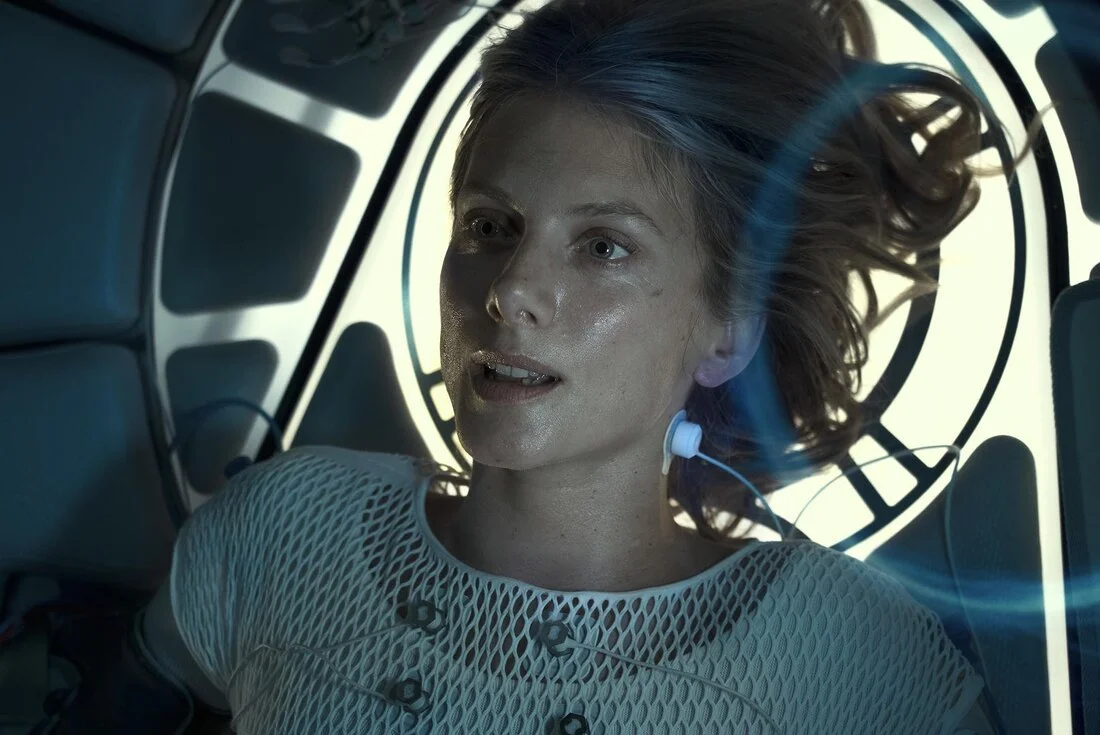
May 19, 2021
Liz (Mélanie Laurent) wakes up in a cryogenic chamber. She’s not sure who she is, or where she is, or how long she’s been dormant, but time is of the essence. Oxygen is running out. Her source of reliable communication is the voice of M.I.L.O (Mathieu Amalric), an artificial intelligence operator programmed as her medical liaison. While uncertain of identity and place, Liz has knowledge of the chamber. She knows more or less what questions to ask, each one bringing up twists and turns about her life. In order to escape, Liz must team up with the rigid M.I.L.O and find a way to regain her memories as her oxygen levels dwindle. The idea of escape interestingly manifests in different ways as the film progresses. It’s not only this chamber keeping her confined, but also the illusions within it, causing her to question what is real and what is conceptual. The high-tech visuals she sees above her are a filter for something far more infinite. Directed by Alexandre Aja and written by Christie LeBlanc, Oxygen is a tense claustrophobic thriller that explores the manipulation of truth and time. The story becomes increasingly like a philosophical drama that ponders the meaning of identity and existence. Leading the journey is an incredible performance by Mélanie Laurent, who conveys a rollercoaster of emotions from one minute to the next.
The winning combination of Laurent’s work and a screenplay of interesting ideas to ruminate on makes Oxygen a mostly compelling experience. The film benefits immensely from not being ten steps ahead of its protagonist. Known technically as “bioform patient Omicron 267,” Liz’s true identity is revealed as she’s discovering it. The film teases clues along the way through frequent use of flashbacks. A peek inside Liz’s fragmented memories introduces her said-to-be husband Léo (Malik Zidi). Hazy scenes of him playing the piano at their home, badly injured on a stretcher in a hospital, and alongside her as she works in a lab are the results of Liz’s fogging memory. Her confinement in the chamber is also juxtaposed with rats in a maze, and rats being experimented on in a lab. These visions become so visceral that Liz is convinced there are rats in the chamber with her. Her reality is blurred, and there are some who want to keep it that way. M.I.L.O isn’t the only source of communication at Liz’s fingertips. Scrambling through limited options as her oxygen levels continue to drop, she instructs M.I.L.O to connect her with a police station. What begins as an ordinary call unravels with Captain Moreau (Eric Herson-Macarel), plus possibly others listening in, gaslighting Liz into thinking that her mind is playing tricks on her, and that Léo doesn’t exist.
Oxygen resonates as a personal tale of survival above all. When the general panic and risk of talking to the wrong person sets in, Liz tunes out the noise. She focuses inward and tries to piece together reality from figments of her imagination. Apart from the dreamy flashbacks and some images/videos conjured by M.I.L.O, there is no depiction of a world outside of this chamber. Alexandre Aja makes a clever choice to stay with Liz in one location, creating a claustrophobic atmosphere where any indication of impending danger is felt so strongly. Whether it’s the sound of a sudden warning signal or a crucial request denied in M.I.L.O’s operatic voice, it’s easy to feel the desperation and severe uncertainty that these moments create. The time-pressured environment, coupled with great sound design and visuals, makes for intense moments on-screen where Liz is seconds away from death.
The solid voice acting also helps bring this pressurized environment to life. The decision to set most of the story inside this chamber works in a myriad of ways, the most interesting being that the chamber itself is filtered. The digitally conjured image Liz faces is put in place so as not to reveal what’s on the outside of this sleep pod. She’s fighting for her life in a manipulated setting, worsened by the ongoing string of calls with Captain Moreau. Only until the truth starts to come out, via a phone call with a mysterious woman, does Liz discover her real surroundings. At its core, Oxygen engages in the resilience of inner strength and escaping the trappings that can manifest in one’s mind.
Liz carries the emotional resonance of the story, and given how much of this scenario rests on one character, a lot of responsibility falls onto the central performance to convey her journey. Mélanie Laurent goes on a rollercoaster of emotions as she races against time for a chance at survival. In a stellar collaboration with Alexandre Aja, Laurent makes a minimal setting feel incredibly cinematic. All the simultaneous fear, confusion, desperation, elation, and determination are conveyed in equal measure. As well, she excels at the physicality of this character and raises the stakes, particularly with her survival instincts in the second half of the film. Even when the story becomes a little too caught up in twisting and turning, Laurent brings a compelling truthfulness to the role of Liz. The idea that she has all the answers she needs inside of her, she just needs to figure out how to regain her memory, is an interesting dynamic to play. Oxygen works best when under the spell of piecing together a mysterious identity. Where the film loses steam is the final act. The story leans into predictability and falls into the trap of revealing too much in one breath, which undercuts the genuinely interesting ideas at play.
Pondering the meaning of identity and existence brings a universality to Oxygen. The story follows a high-concept scenario, but for all the moments of dramatic tension, the most resonating part of this film is an incredibly quiet one. It’s a pensive reflection on the life Liz knows by heart, and the loss she feels from being on the outside looking in. What the film doesn’t lose is Mélanie Laurent’s all-consuming commitment to her character and setting. Oxygen makes space for Liz’s internal compass to lead this journey and find new ways to define herself in an environment where her identity is under wraps. While the story is centered in a claustrophobic framework, Oxygen creates a little world of possibilities that sees Liz defy the odds and control the narrative.
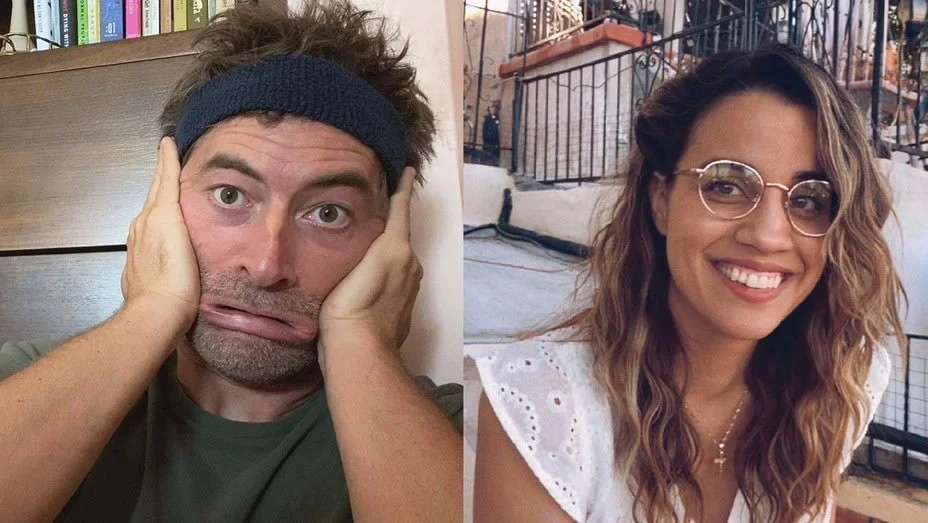
‘Language Lessons’ Review
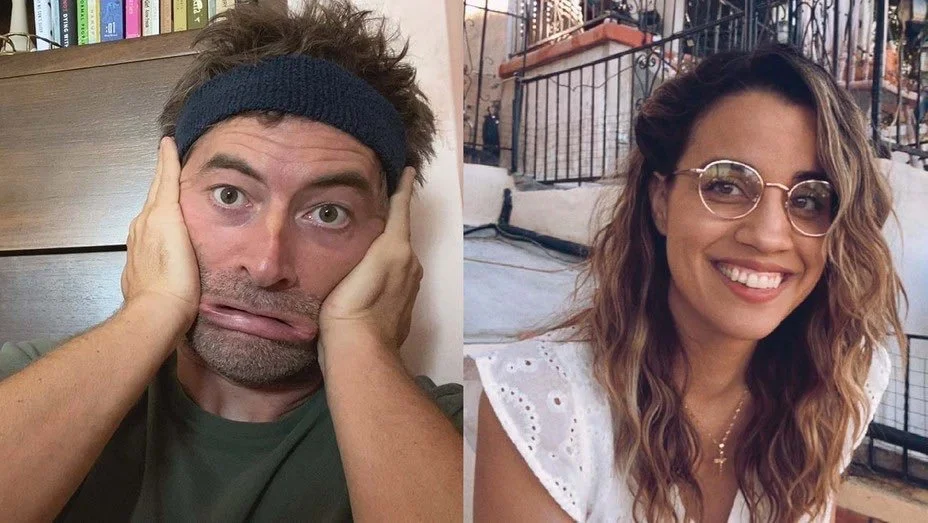
May 30, 2021
The annual Inside Out Film Festival entertains film buffs of all stripes, showcasing the best and most diverse work of interest to 2SLGBTQ+ communities. Kicking off the 2021 festival was the premiere of Natalie Morales’ feature directorial debut Language Lessons, also co-written by and starring Morales. Read the full review below!
In a world where so many different types of love exist, what tends to be portrayed on screen most frequently is romantic love. The rom-com is such a sprawling sub genre, often focused on how true love is able to conquer all obstacles and end happily. Being asked to name a rom-com generates endless enjoyable responses, and a myriad of couples whose relationships sometimes begin with friendship. As is the case with many romantic comedies, friendship love is strategically set up to reach the end goal of romance. Harry and Sally, one of the most iconic on-screen friendships, still meet the traditional rom-com fairytale fate, still enjoyably so. But rarely are platonic relationships portrayed on screen without the characters falling in love, which as Natalie Morales’ Language Lessons so powerfully indicates, is rich grounds to navigate through. Morales’ endearing feature directorial debut explores two people making a complex two-person decision of whether their friendship is worth preserving. Language Lessons is a heartfelt platonic love story about healing, grief, and the power of human connection no matter the distance.
Given how the film weighs more heavily on characters than plot, the relationship between Cariño (Natalie Morales) and Adam (Mark Duplass) is completely at the forefront. Cariño is Adam’s surprise Spanish teacher; his husband Will (Desean Terry) had gifted him virtual lessons. During the first online lesson, Adam and Cariño instantly hit it off; she becomes immersed into his morning routine, the two conversing in Spanish as he chills in his pool. But when the second lesson begins in tragedy, the relationship between teacher and student unexpectedly deepens and gives new meaning to the title of this film. Lessons of love, loss, boundaries, respect, grief, isolation, and hope make room for these two characters to learn about each other. Shot entirely through computer and phone screens, the film chronicles their friendship and completely eclipses the trappings of COVID era filmmaking. Without the specificity of mentioning or alluding to the pandemic at all, the story feels evergreen in its depiction of long-term relationships where people rely on technology to see each other often.
Natalie Morales and Mark Duplass take the plunge together into a realm where so much is up in the air for their characters. Not tied by family, romance, or the simple benefits of close physical proximity, the ease with which they can choose to disconnect from each other is at their fingertips. But their relationship becomes much more complex than the second it takes to close a laptop. Morales and Duplass are brilliant to watch. Full of intrigue and surprises, they make the growing friendship between Cariño and Adam evolve so effortlessly. Their chemistry is instantly endearing, which makes the second Spanish lesson and everything that follows all the more poignant and emotionally involving. They bring a wonderful conversation piece to life, and drive home the power of human connection.
Naturally the structure of this film is close to the bone, existing at a time when people from all around the world use technology more than ever to cultivate relationships. So many intricacies and details about how we communicate get lost behind a screen, a limitation that becomes interesting discourse in Language Lessons. The film engages in layered conversations about what it takes to really know a person deep down. Cariño brings up a resonating point about the gaps Adam fills in about her in his head. He starts to create a narrative beneficial to the way he wants her to fit into his life. He wants to save her from her circumstances. It’s a dynamic that speaks so truthfully to how Adam feels he knows her right off the bat, how the influence of his white privilege sidesteps truthful interactions, and the unfair position this puts Cariño in.
By focusing solely on the two main characters, and the way their bond develops over time, the actors have so much room to navigate the intricacies of friendship. Unlike romantic love, platonic love doesn’t have the traditional milestones to celebrate highs. Platonic relationships are full of so many potential pitfalls and ‘what if’ moments. What happens if one person says, “I love you” early on? How would such a declaration affect the dynamic? There’s an incredibly vulnerable scene when Adam tells Cariño how much he cares about her, and there’s a moment on her end when she’s uncertain of how to respond. That space of unknown feelings makes way for an interesting area to explore. Boundaries are set, the stakes are high, and there are no guarantees between the two of them. All the intricacies of being a friend to someone show how much harder it can be to navigate a platonic relationship than a romantic one.
Given the computer/phone screen structure, and watching two people connect solely through technology, there’s the added layer of how easily someone can disappear from one’s life for any given period of time. Language Lessons utilizes this structure so brilliantly to tell a story. After the second Spanish lesson, Cariño and Adam decide to communicate via video messages. Without adhering to a schedule, they have time to ruminate on events and drop in on their own time. Both of them start to send messages from whichever moment inspires them to do so, which adds more texture to the story and reveals details about their daily lives outside of the lessons. As Cariño stresses in one of the more emotionally heightened scenes in the film, she has a life beyond Adam. This moment speaks to how incredibly talented Morales is both on and off the screen; she utterly inhabits this character and shares wonderful chemistry with Duplass. Together, as co-stars and co-writers, they bring so much emotion to such a tiny seed of a story.
Getting to see the spontaneous interactions between Cariño and Adam goes to show how one meeting between two people can make a difference. Language Lessons is a stellar embrace of vulnerability and opening up to one another about the most intimate details. A cycle of grief and loss manifests in these two characters, and the two of them alone convey it all. There are no detailed backstories or revealing flashbacks, but rather a stream of communication where the actors say so much within a limited frame. Language Lessons is an endearing exploration of how a platonic relationship takes shape, with a sweet spot that harkens to the comfort of a good rom-com. Shining through is the message that no matter how isolated or distant people are, a loving connection is possible to find.
The 2021 Inside Out Film Festival runs from May 27 to June 6.
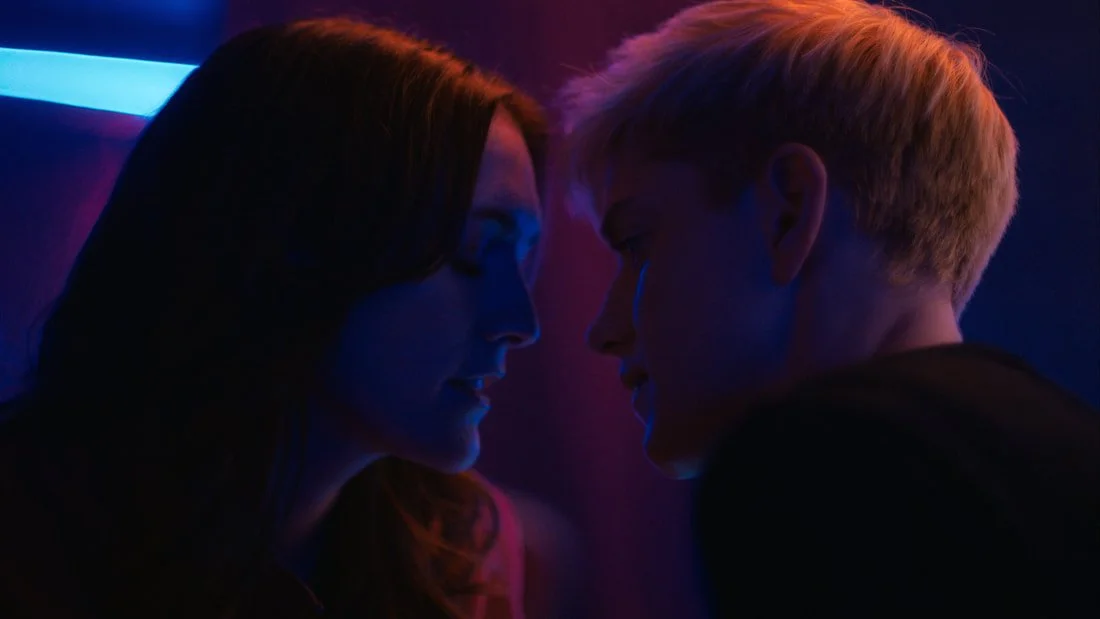
‘Feel Good: Season 2’ Review
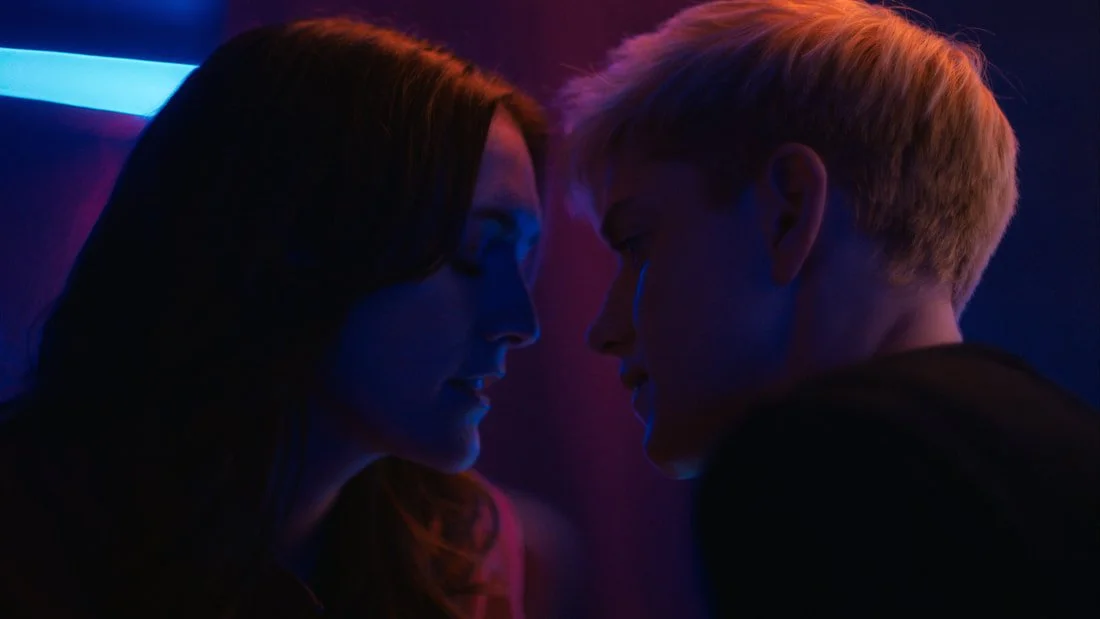
June 3, 2021
Kicking off Pride Month is the wonderful continuation of a queer love story created and co-written by comedian Mae Martin. The semi-autobiographical comedy series Feel Good is back for a second and final season, bringing with it all the pathos and humour that shine in the first. Mae plays a fictionalized version of herself as a stand-up comedian and recovering addict. Following the success of season one, which premiered in March 2020 to glowing acclaim and BAFTA recognition, the story continues to explore Mae’s relationship with George (Charlotte Ritchie), a woman in her first queer relationship who was afraid of coming out. Season one leaves them in an ambiguous place, and the ambiguity never really goes away. So much of Feel Good is about the co-dependency in their relationship, the swapping of one addiction for another, and the uncertainty of what they want. The series excels beautifully at expanding conversations around the fluidity of gender identity and what that means to a relationship. Feel Good carries the story along with humour throughout, and portrays moments of light-heartedness even in the darkest scenarios, which strikes a truthful chord. Intended as a two-season trajectory, Mae Martin brings a heartfelt journey to a moving conclusion that still leaves a desire for more.
The new episodes reach revealing emotional peaks starting with Mae, who returns to Canada on a healing journey after a relapse, and encounters dark facets of her past. Meanwhile in the UK, George is still teaching and feels uncertain about where she stands with Mae. Their complicated love story puts a question mark on their future. Mae is haunted by ghosts from her past and George tries to reinvent her present. How will they navigate being drawn back into each other’s lives? Can they continue to grow together in a healthy way? Season two rejoins Mae and George in an ambiguous place where they’re not entirely sure how to categorize their relationship status. Mae ponders what exactly she wants, and what is needed to reach a healthier emotional status. Season two delves into more mature subject matter about resonating themes, from co-dependency and labelling identity to consent and accountability.
Joining Mae and George on this journey are a plethora of supporting characters reprising their roles from season one, plus a few new welcome additions to the cast. Lisa Kudrow and Adrian Lukis return as Mae’s parents, Linda and Malcolm. Kudrow plays Linda’s aloof personality to a tee; beyond the scathing quips and one-liners is a character whose detachment from Mae’s life comes from a place of fearing how to process Mae’s truth. Linda is an example of how the second season adds another layer to characters and portrays them in a new light. Among the new characters are Mae’s agent Donna Ridley, played brilliantly by Eleanor Matsuura. Her character joins one of the most resonating subplots of the season, which touches on the issue of sexual misconduct in the comedy world. The series engages in compelling discussion about the importance of a platform and how best to use it, as well as the promise of opportunities under the conditions of silence. Two more resonating characters, who Mae encounters at a rehab center in Canada, are played by Marisha Wallace and EVE. They each make a lasting impact with a short amount of screen time, and Wallace especially has such great comedic timing. While some of the characters make for more compelling screen time than others, the screenplay makes a refreshing point of leaning into everyone’s flaws rather than glossing over them.
Feel Good speaks to the importance of staying true to yourself and feeling supported in each stage of discovering your identity in the LGBTQ+ community. For Mae, fluid in her gender and sexuality, the process of navigating through the intricacies of a relationship is challenging. Mae conveys this process so thoughtfully, and with an effortless sense of humour. Identifying as an Adam Driver or Ryan Gosling when asked how she defines herself sparks interesting and humorous discussion about labelling, which also conveys Mae’s hesitation to be placed in a box. The series is a great platform of acceptance for this character to just be who she is, at any given moment. Co-written by Martin and Joe Hampson, the series explores the muddled side of relationships where people are learning who they are and are not entirely sure what they need from each other. The actors continue to bring this complex dynamic to life very well. Mae shares excellent chemistry with Charlotte Ritchie; together they paint a picture of two people magnetically drawn to each other through thick and thin. Season two shows both characters in a more mature place, especially in terms of self-discovery. The second season also builds on the first by shining a light on Mae’s past, showing how particular circumstances led her to feel long-term emotional wounds as a result. Mae’s foggy recollection of her past relationships as a teenager manifest in so many different ways, affecting her career as a comic and the issues of morality within toxic environments.
While the progression of Feel Good is built for two seasons, the conclusion evokes a slightly incomplete and rushed feeling. The ambiguity that still surrounds Mae and George leaves behind a lot of room for more grounds to explore. But the journey they go on in the process is certainly enjoyable and so compelling to watch. This chapter in Mae’s life is full of new beginnings, milestone moments, the romanticism of relationships, and the addictive behaviors that she navigates through every day. The second and final season maintains the lightheartedness that makes the first one soar, with the added layer of more challenging plot points. Mae Martin’s Feel Good is an intimate, confronting, and endearing portrayal of love.
The second and final season of Feel Good premieres globally on Netflix June 4th.
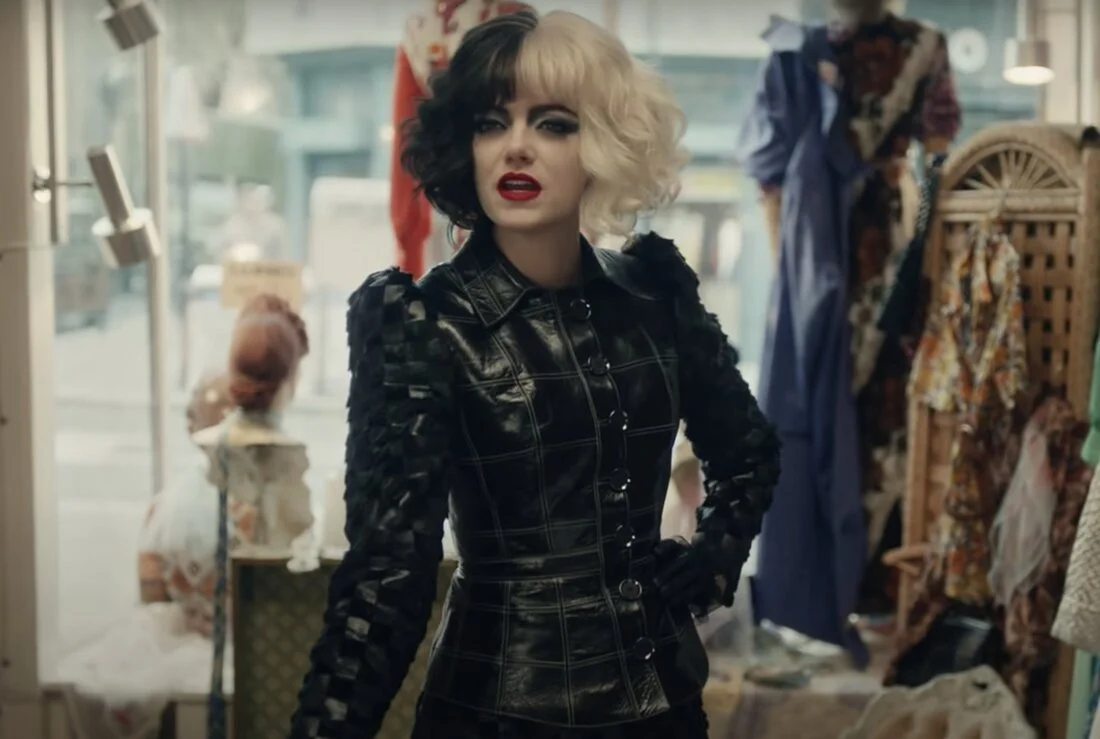
‘Cruella’ Review
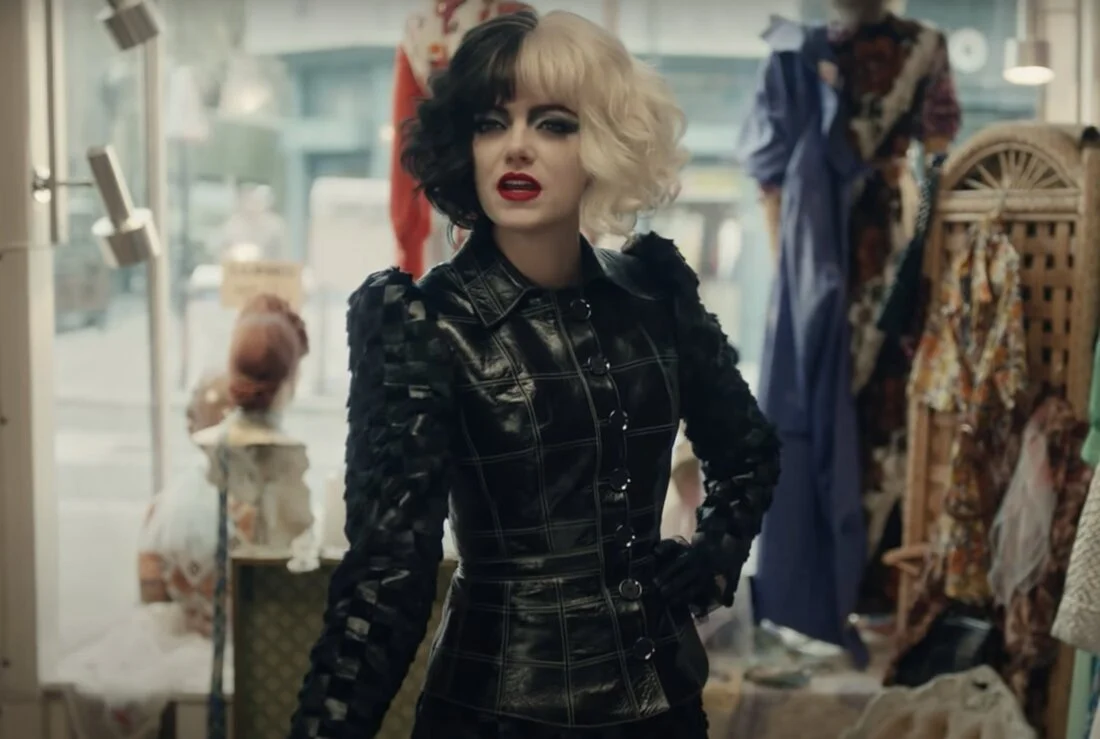
June 9, 2021
Among a mostly forgettable collection of Disney live-action films, Craig Gillespie’s Cruella leaves behind an extravagant mess of punk-rock eye candy and scheming power moves. It’s an endeavor in which those involved look to be having the time of their lives putting another spin on Cruella de Vil, one of the most famous characters and antagonist of author Dodie Smith’s 1956 novel The Hundred and One Dalmatians. Based on Smith’s novel and written for the screen by Tony McNamara and Dana Fox, Cruella takes some twisty turns to give the villain a backstory. While marketed as Cruella’s origin story, Gillespie’s film is just getting started with her, scratching an edgy surface and teasing the early stages of how fashion designer Estella becomes a revenge-bent Cruella in one great monologue alone. It’s not necessarily a story that delves convincingly into the why of what she does, but it’s nonetheless a fun introduction to the pre-101 Dalmatians DeVil that leans a lot more into her rise in the fashion world than her relationship with dogs. Cruella embraces silliness every step of the way and the cast are totally on board, Emma Stone most fabulously of all in the titular role.
Set in 1970s London amidst the punk rock revolution, Estella (Emma Stone) sets out to make a name for herself as a top designer. Her days as a department store cleaner are swapped for couture work when her impromptu revamped window display one night catches the eye of fashion mogul Baroness von Hellman (Emma Thompson) the next morning. It’s the best display the Baroness has seen from that store in 10 years, and she wants Estella’s splash of talent (and ideas) under her rigid watchful eye. Leading up to this meeting of the fashion minds, the story spends a lot of time on Estella’s childhood. The bloated, stuffy first chapter is where the 134-minute runtime of the film is felt the most. So many details about Estella’s character feel tacked on, conveniently put in place in order to fulfill her rebellious spirit and her path as an aspiring designer. A welcome little detail is the introduction of young Jasper and Horace, with whom young Estella finds solace after her mother’s sudden death. The trio start grifting to make a living, and their illegal activities evidently follow them into adulthood. But most of this early chapter is spent waiting in anticipation for Emma Stone, whose entrance promises more satisfying moments to come.
Once the film reaches Stone’s Estella and she starts working for House of Baroness Couture, the pacing is turned up several notches as both women vie to make a statement. Estella wants to work her way to the top of the fashion world. The completely self-absorbed Baroness, who knew Estella had a spunky flair from the moment she saw that window display, hired her for a reason: this is somebody who could potentially give her a run for her money, and what better way to assess the competition than bring her aboard the couture team? The Baroness shows she’s more than willing to steal designs and claim all the credit. Estella and the Baroness dance around each other’s intentions, until the former’s adulation of the latter comes crashing down after a personal revelation. The film strikes a great duality between the two characters, and creates a fun experience of anticipating how far they will go to outshine each other. Another interesting layer is added by echoing Estella’s past and showing how the Baroness fits in, which presents scenes from the beginning of the film in a new light.
The maddening shift in their dynamic sets off a course of events that sees Estella fully embrace Cruella, an alter-ego her mother once reminded her to keep hidden away or else she would cause trouble. Knowing that the Baroness would feel threatened by being upstaged, Estella unleashes Cruella as the distraction, and suddenly all eyes are on her. What ensues is a devilish battle of the Emmas as their characters get fashionable revenge on each other. Cruella’s avenging of a loved one and the Baroness’ refusal to co-exist with a competitor clash in entertaining ways. A lot of the fun comes from watching Emma Stone and Emma Thompson bounce off each other with witty and often scathing remarks. Stone is so committed to the absurdity of this character, and it’s clear she is having a ball. As the driving force of the film, she commands the screen. She relishes in playing a dual role of wanting to be the Estella her mother would want her to be, and unapologetically embracing the alter-ego that’s been inside all along. Stone completely holds her own acting opposite the great Emma Thompson, and the two of them together are a treat. Thompson plays the Baroness with such cold, devilish restraint that is unrelenting. Beyond the two Emmas, the casting of this film is a triumph for the most part. Paul Walter Hauser and Joel Fry play Horace and Jasper, known as Cruella’s henchmen, but both actors bring great layers to them so that they aren’t just stock caricatures. Kirby Howell-Baptiste plays Anita Darling, and unfortunately isn’t given much to do at all, apart from writing about and photographing Cruella in action. Given the mid-credits scene and the announcement of a sequel, there’s an opportunity to see more of Anita that should be explored.
So much of the story is told through glam-punk visuals, and the deVil is in the details with Cruella’s costumes. Legendary costume designer Jenny Beavan has absolutely outdone herself with the sheer ambition and care she poured into each creation on display. From Cruella’s fiery party-crashing gown to her jaw-dropping ‘garbage’ couture train, the costumes are like another character in the film. Each reveal of a new scene-stealing dress, particularly during the montage of Cruella upstaging a string of the Baroness’ events, commands the screen and becomes a far more resonating afterthought than what’s actually happening plot-wise. Beyond the titular character, the costumes are excellent across the board and give so much more weight to all the roles. Among the most memorable are Horace’s well-dressed chihuahua Wink, a total scene-stealer. Adding to the visuals is a pitch perfect soundtrack, theoretically. Sometimes the frequent use of songs, however great they are, is an overpowering distraction. One needle drop after another is a puzzling choice, especially given how great Nicholas Britell’s original score is. There’s a playful, punk-rock quality to his work that captures the mood so well and gets overshadowed.
As far as origin stories go, the mid-credits ending reinforces the feeling that Gillespie’s adaptation is just scratching the surface of who this version of Cruella is. The easter egg peaks interest by including Anita Darling, Roger (Kayvan Novak), and Cruella’s doorstep gift to them: Pongo and Perdita. Plus, a cute replica of Roger’s flat from the 1961 animated film 101 Dalmatians is nostalgic as a fan. But there is a disconnect between the story that was just told and this mid-credits moment. Cruella’s monologue by the fountain comes close, but overall the backstory element leaves behind questions about the necessity of trying to explain her actions, especially when the film often leans into unleashing her character in a very brazen way. While the plot and pacing take a walk on the bland side, this glam-punk Cruella makes a statement brought to life by Emma Stone, who makes Craig Gillespie’s aspiring extravaganza worth relishing in.
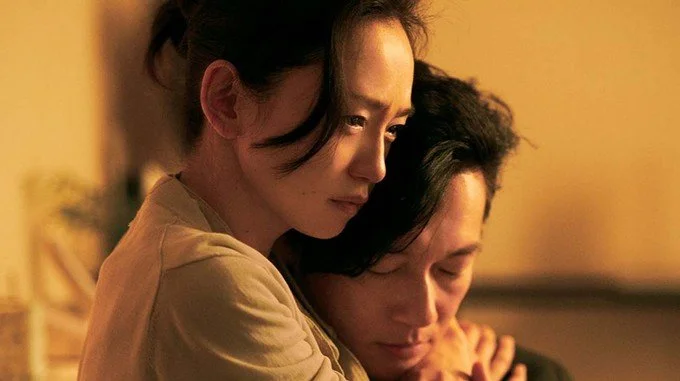
‘True Mothers’ Review
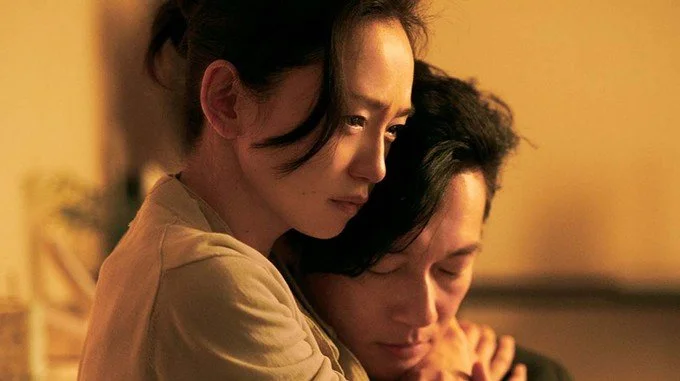
June 15, 2021
The lingering power of Naomi Kawase’s new film, True Mothers, stems from an extraordinary level of patience. This slow-burning exploration of two mothers, whose worlds collide from different experiences of adoption, takes time to craft an emotional family drama. Kawase gently peels back the layers of an intertwining story about parenthood, societal expectations, and heartbreak of giving up a child. Based on Mizuki Tsujimura’s novel ‘Asa ga Kuru,’ True Mothers weaves from one character backstory to another and takes intriguing turns along the way. The film unfolds with an appetite for welcoming multiple perspectives on a shared experience, and each of the central characters’ journeys are given weight. The story centers on a couple who decide to adopt a child after struggles with infertility, and grapple with their moral dilemmas when the child’s biological mother enters the picture wanting her son back. Kawase’s adaptation strikes a stunning balance between two worlds, and how two mothers’ lives are forever connected from afar. True Mothers is a beautiful interwoven journey of love, and the emboldened actions taken to uphold a family.
The introduction to Satoko (Hiromi Nagasaku), Kiyokazu (Arata Iura), and their adopted son Asato (Reo Sato) shows a glimpse into their settled life as a family. It’s clear early on that this little boy has full support from his parents. When Satoko receives a call one day from Asato’s kindergarten teacher, alleging that he pushed another child off a jungle gym, she questions how he could be capable of such a thing. How could she doubt her boy? The other child’s mother calls afterwards, wanting a settlement for his medical expenses. As it turns out, the child had lied. This incident at the school puts the film at a crossroads where the story appears to be going in one direction, then switches gears to an earlier timeline when Satoko and Kiyokazu discuss starting a family. Kawase does a wonderful job in this moment, and throughout the film, to demonstrate the jump between past and present while revealing details about the characters’ intentions.
During initial discussions about having children, infertility is the last thing on the Kurihara’s minds until it suddenly becomes their reality. The fragility felt in this news makes it increasingly aware to them how it’s nothing short of a miracle to make children. While Kiyokazu brings up divorce as an option since Satoko has no chance of getting pregnant with him, she refuses and instead they book a flight for him to get a sperm procedure done overseas. The flight suddenly gets cancelled, and Satoko resigns from the idea altogether. “It’s us two…you and I will go on,” she says. One day, the couple come across a TV program advertising Baby Baton, a non-profit organization intended to pair couples who can’t procreate with mothers who can’t raise their children. It’s a place where children find their parents…”pass the baton, give a child a future,” the program narrates. As Satoko and Kiyokazu watch how Baby Baton transforms lives, they realize they can still be parents. Adoption soon becomes their reality when they take baby Asato home, after meeting briefly with the boy’s mother Hikari (Aju Makita). Kawase makes the choice not to show Hikari’s face clearly during the scene, which adds to the intrigue of this character and creates a cloud of uncertainty when she re-enters the picture.
Six years after the adoption, Hikari calls the Kurihara household. She wants her son back, and threatens to expose the truth of his adoption to everyone the couple knows. If they refuse, she demands cash instead. As tensions mount over the phone, Satoko asks Hikari to meet them in person. The young woman who arrives at their home doesn’t appear to be the same woman they met six years ago. Satoko and Kiyokazu grow more emboldened to defend their family, doubting Hikari’s identity. What truly resonates about this moment is how Hikari gets small details wrong (such as what grade Asato is in) and assumes she’s been erased from her son’s life when in actual fact, he knows about her. The passing of time is felt so deeply, as is Hikari’s need to be truly seen and accepted into her role as a mother. The film morphs into a moving tribute to her side of the story, and how she wasn’t shown acceptance when she became pregnant. Hikari’s story is intertwined with a whirlwind teenage romance, strict family pressures, and the heartbreak of giving up a child she wanted to keep.
True Mothers holds so many threads together without losing focus. Each and every frame is absorbing to watch. Naomi Kawase’s direction captures scenes like a photographic memory. She recalls moments from the past and cherishes moments of the present in an ethereal way. The direction carries strong emotion and moves with graceful intentionality. The film beautifully weaves together two mothers’ stories, giving both a sensitive and layered character study. The switch from one timeline to the next never feels jarring. Instead, Kawase strikes an intimate connection between the characters and lets the power of that connection take the film to new places. The parallels drawn between Satoko and Hikari are particularly resonating. Satoko embodies what Hikari’s parents did not: the embrace and acceptance of bringing a child into the world.
While this is a lengthy film, the time spent elaborating on the characters’ backstories has a compelling and emotional outcome. True Mothers is an absorbing exploration of parenthood, and the weight of fulfilling the many societal expectations that come with having children. It’s a tale of intertwining stories told in a non-linear way; Tina Baz and Yoichi Shibuya’s editing maintain a clear focus all the way through. An incredibly talented cast, Aju Makita as Hikari being the standout, bring their characters to life and make the film feel all the more immersive to watch. From moral dilemma and exposé to romance and mystery, True Mothers intertwines universal themes into a lingering study of character.
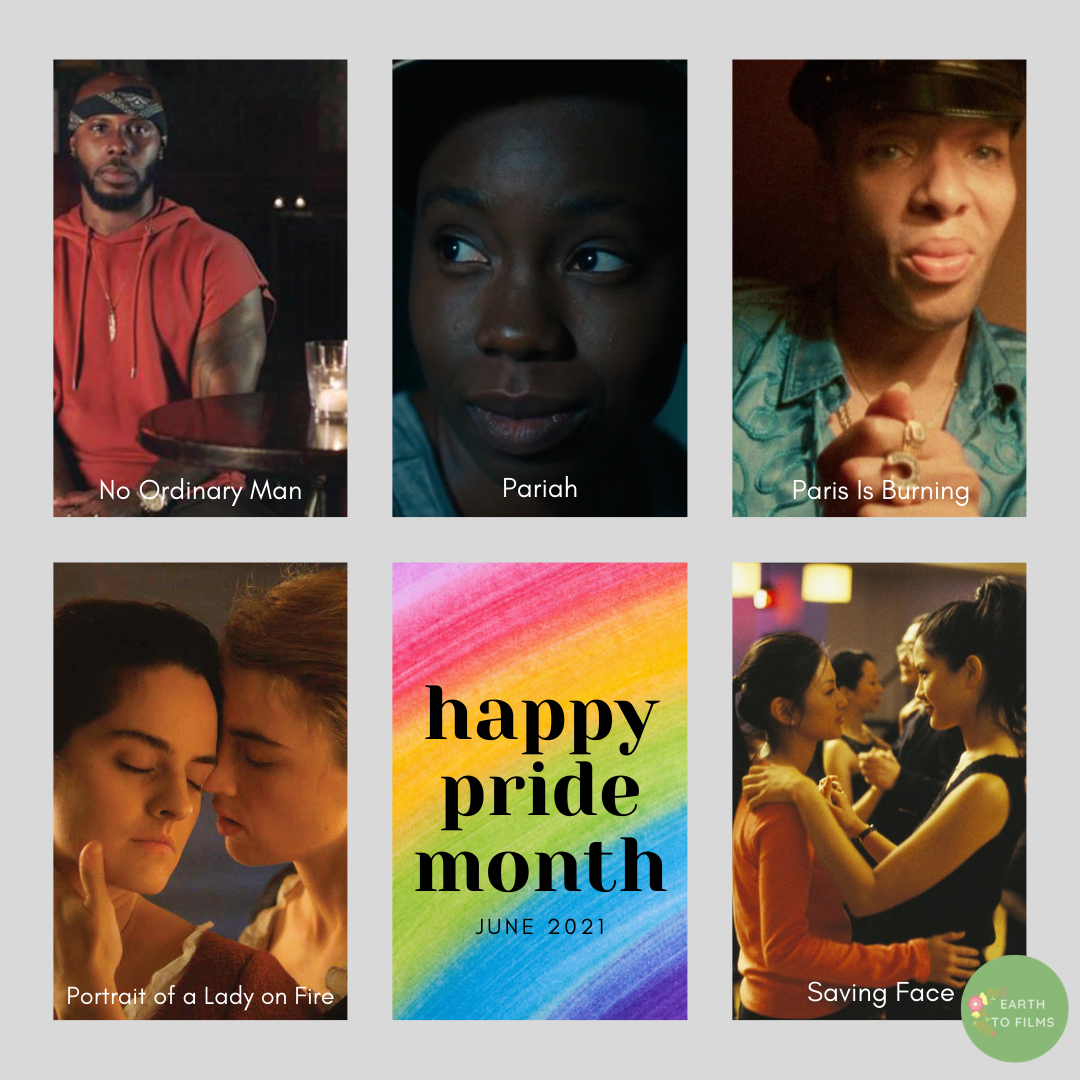
Celebrating Pride: 15 LGBTQ+ Films/Shows To Watch
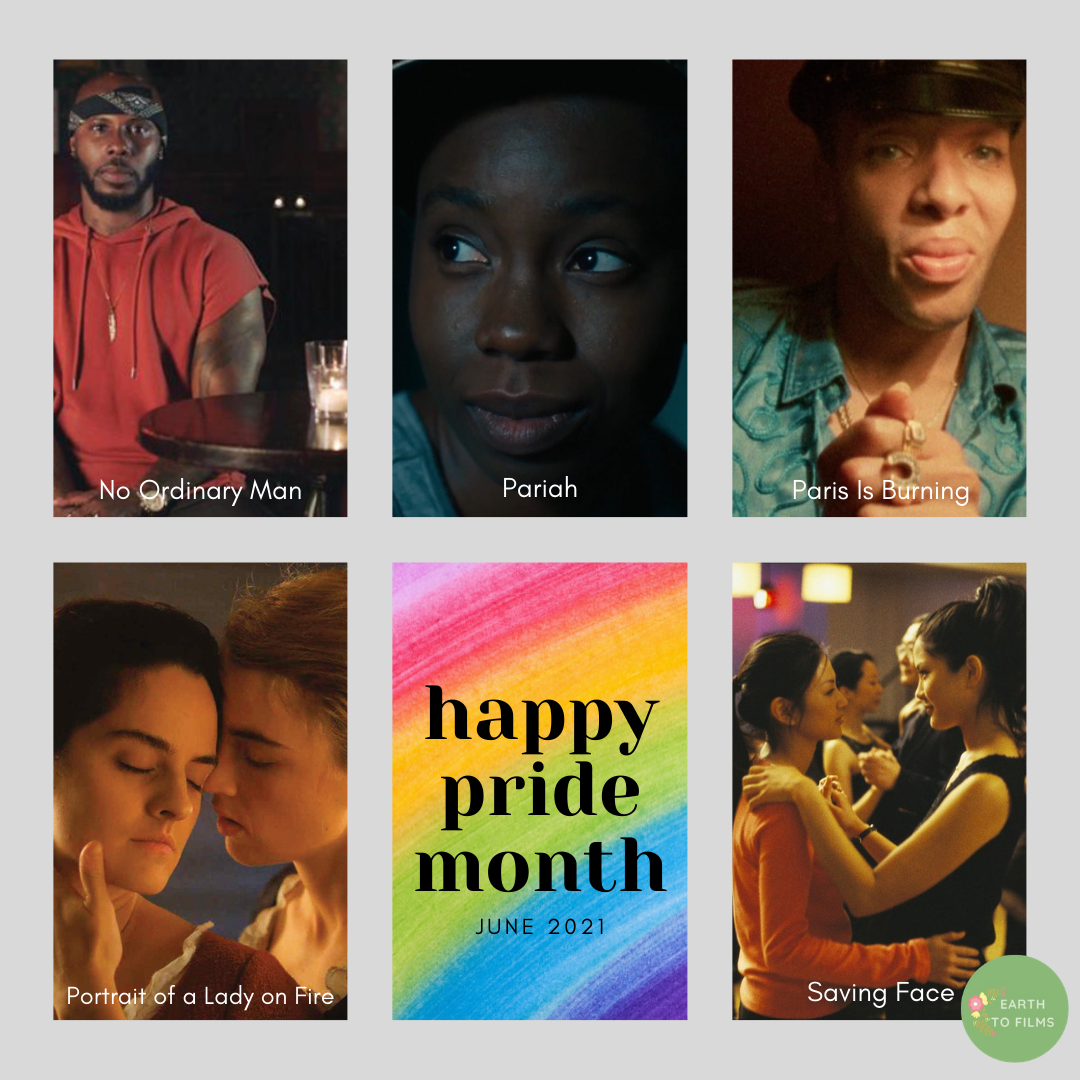
June 16, 2021
Happy Pride Month! June gives us the opportunity to highlight and celebrate the LGBTQ+ community. One of many ways to celebrate is by diving into films and television shows that center LGBTQ+ stories and creators. Identity expression through an artistic medium such as storytelling helps create safe spaces for representation. Seeing yourself reflected on screen, no matter where you are in the process of finding your identity, nurtures a place of understanding and affirmation. Here are some LGBTQ+ centric titles that span various decades and genres of storytelling.
A Fantastic Woman (‘Una mujer fantástica’) • 2017
Directed by Sebastián Lelio
Marina (Daniela Vega) and Orlando (Francisco Reyes) are in love and planning their future, when one night Orlando suddenly falls ill and passes away. Instead of being able to mourn her lover, Marina is treated with suspicion by authorities and with disdain by his family. She is forbidden to attend his funeral and thrown out of the apartment they shared. Mourning the loss of the man she loved, she finds herself under intense scrutiny from those with no regard for her privacy. A powerful perspective and fantastic performance by Daniela Vega carry this film through a resonating journey.
Rent or buy A Fantastic Woman on primevideo.com with a Prime Video subscription and 100% of proceeds go to The Canadian Centre for Gender and Sexual Diversity. Learn more: amazon.ca/giveback.
But I'm A Cheerleader • 1999
Directed by Jamie Babbit
Megan (Natasha Lyonne) considers herself a typical American girl. She excels in school and cheerleading, and she has a handsome football-playing boyfriend, even though she isn't crazy about him. Her parents decide she's gay and send her to True Directions, a boot camp meant to alter her sexual orientation. While there, Megan meets a rebellious and unashamed teen lesbian, Graham (Clea DuVall). Though Megan still feels confused, she starts to have feelings for Graham. In this delightfully 90s film, Jamie Babbit engages in resonating commentary on the horrors of conversion therapy while taking a campy, social satire approach. Rather than sugar coat the underlying serious themes, the film's bubblegum aesthetic and sense of humour make the absurdity all the more clear.
Stream But I'm A Cheerleader on crave.ca with a Crave subscription.
Disclosure • 2020
Directed by Sam Feder
In this documentary, leading trans creatives and thinkers share heartfelt perspectives about Hollywood's impact on the trans community. For decades, representation on screen has affected how transgender people are seen by themselves and by others. Through exploring the history of trans images in film and television, the importance of truthful narratives shine. It is crucial to note that while representation is improving, there is still a long way to go, and the work continues. This eye-opening documentary is a compelling piece of work that should be essential viewing.
Stream Disclosure on netflix.com with a Netflix subscription.
Feel Good (Seasons 1 and 2) • 2020-21
Created by Mae Martin
Stand-up comic Mae Martin navigates a passionate, messy new relationship with her girlfriend, George, while dealing with the challenges of sobriety. The semi-autobiographical comedy series (created and co-written by Martin) is back for a second and final season, bringing with it all the pathos and humour that shine in the first. The series excels beautifully at expanding conversations around the fluidity of gender identity and what that means to a relationship. The second and final season maintains the lightheartedness that makes the first one soar, with the added layer of more challenging plot points. Mae Martin’s Feel Good is an intimate, confronting, and endearing portrayal of love.
Stream both seasons of Feel Good on netflix.com with a Netflix subscription.
Lingua Franca • 2020
Directed by Isabel Sandoval
An undocumented trans woman (Isabel Sandoval) seeking legal status in the US becomes romantically involved with the grandson of the elderly woman she cares for. Paranoid about deportation, she continues to work as a caregiver under a microscope in Brighton Beach, Brooklyn, NY. This beautifully potent film is written, directed, produced, edited, and starring Isabel Sandoval. A wonderful feat from a gifted storyteller who brings a trans, migrant love story onto the screen with passion and care. Sandoval evokes feeling through moments of stillness and reflection while conveying a multi-layered story.
Stream Lingua Franca on netflix.com with a Netflix subscription.
No Ordinary Man • 2020
Directed by Aisling Chin-Yee & Chase Joynt
The legacy of Billy Tipton, a 20th-century American jazz musician and trans icon, is brought to life by a diverse group of contemporary trans artists. With an incredibly thoughtful approach, filmmakers Aisling Chin-Yee and Chase Joynt connect Tipton’s story to the people who followed in his footsteps. What makes No Ordinary Man an engaging documentary is the abundance of different perspectives and narratives uniting in a loving way to retell a misrepresented legacy. The power of role models, truthfulness, and understanding shines through from beginning to end.
Rent or buy No Ordinary Man on iTunes - Apple Canada.
Pariah • 2011
Directed by Dee Rees
A Brooklyn teenager juggles conflicting identities and risks friendship, heartbreak, and family in a desperate search for sexual expression. This stunning coming-of-age film explores a gay teenage girl (Adepero Oduye) living in New York and writing poetry. She goes through a heartbreaking and hopeful arc of asserting her identity and exploring relationships on the way to self-discovery. Writer-director Dee Rees tells a personal and layered story, led by the incredibly talented Adepero Oduye who brings the film to life with a beautiful performance.
Rent or buy Pariah on iTunes - Apple Canada.
Paris Is Burning • 1990
Directed by Jennie Livingston
Focusing on drag queens living in New York City and their "house" culture, which provides a sense of community and support for the flamboyant and often socially shunned performers. Groups from each house compete in elaborate balls that take cues from the world of fashion. Also touching on issues of racism and poverty, the film features interviews with a number of renowned drag queens, including Willi Ninja, Pepper LaBeija and Dorian Corey.
Stream Paris Is Burning on crave.ca with a Crave subscription.
Portrait of a Lady on Fire • 2019
Directed by Céline Sciamma
On an isolated island in Brittany at the end of the eighteenth century, a female painter (Noémie Merlant) is obliged to paint a wedding portrait of a young woman (Adèle Haenel). Portrait of a Lady on Fire is a masterpiece in every sense of the word. A hypnotic, smoldering love story with two impeccable performances that make each moment feel so real. The story builds to a shattering final scene, reverberating long after the credits roll. Writer-director Céline Sciamma explores slow-burning attraction and creates moments of intensity from the quietest, gentlest of moments.
Rent or buy Portrait of a Lady on Fire on iTunes - Apple Canada.
Saving Face • 2004
Directed by Alice Wu
A Chinese-American lesbian (Michelle Krusiec) and her traditionalist mother (Joan Chen) are reluctant to go public with secret loves that clash against cultural expectations. Alice Wu’s delightful romantic comedy deserves to be more cherished and seen amongst the outpouring of films that dominate this genre. The few mainstream films about lesbians that do exist tend to be dramatic, emotionally devastating work. But it’s also crucial to see films that have a sweeter, more light-hearted tone. Saving Face is resonating for this reason; it’s a sweet and heartwarming rom-com with resonating themes.
Rent or buy Saving Face on iTunes - Apple Canada.
Schitt’s Creek • 2015-2020
Created by Dan Levy & Eugene Levy
When rich video-store magnate Johnny Rose and his family suddenly find themselves broke, they are forced to leave their pampered lives to regroup in Schitt's Creek. At the core of this delightful series is a stunning emotional arc in the characters. The Levys tell a fully realized story with an irresistible sense of humour. The Roses embark on a journey that sees them learn how to become better human beings, frankly. The beloved Canadian show (starring Catherine O’Hara, Annie Murphy, Dan Levy, and Eugene Levy) portrays a same-sex relationship in a completely accepting and heartwarming way.
Stream all seasons of Schitt’s Creek on netflix.com with a Netflix subscription.
Shiva Baby • 2021
Directed by Emma Seligman
A college student (Rachel Sennott) attends a family shiva where she is accosted by her relatives, outshined by her ex-girlfriend, and face-to-face with her sugar daddy and his family. Emma Seligman’s stunning debut feature is a funny, invigorating, fully realized pressure cooker. Seligman blends comedy with drama and hints of horror, while exploring a woman coming-of-age, self-worth, anxiety, sexuality, interfering family dynamics, power shifts in relationships, and traditions. The characterization is outstanding. The screenplay is quick witted. The sense of humour is a delight, providing constant laughs and lines so great you must keep up because you won’t want to miss them.
Rent or buy Shiva Baby on iTunes - Apple Canada.
Shirley • 2020
Directed by Josephine Decker
A famous horror writer (Elisabeth Moss) finds inspiration for her next book after she and her husband take in a young couple. Shirley is a delirious puzzle that asks more than it can answer. The film interrogates what it means to be a muse, what types of behaviors are accepted by geniuses, and the many expectations on women living in a man’s world. Elisabeth Moss knows how to put on a show. She brilliantly captures the blurred lines between her character’s fiction and reality.
Stream Shirley on primevideo.com with a Prime Video subscription.
The Half of It • 2020
Directed by Alice Wu
When smart but cash-strapped teen Ellie Chu (Leah Lewis) agrees to write a love letter for a jock, she doesn't expect to become his friend - or fall for his crush Aster (Alexxis Lemire). Writer-director Alice Wu tells a charming and light-hearted story about young love and self-discovery that subverts many of the tropes often found in romantic coming-of-age films. The film centers a complex and nuanced relationship between Ellie and Aster, who are both navigating how best to communicate with each other.
Stream The Half of It on netflix.com with a Netflix subscription.
The Handmaiden • 2016
Directed by Chan-wook Park
1930s Korea, in the period of Japanese occupation, a young woman is hired as a handmaiden to a Japanese heiress who lives a secluded life on a large countryside estate with her domineering uncle. But, the maid has a secret: she is a pickpocket recruited by a swindler posing as a Japanese count to help him seduce the heiress to elope with him, rob her of her fortune, and lock her up in a madhouse. The plan seems to proceed according to plan until the women discover some unexpected emotions. Starring Kim Tae-ri and Yong-nyeo Lee, The Handmaiden shines with brilliant storytelling and a unique love story.
Stream The Handmaiden on primevideo.com with a Prime Video subscription.

‘Luca’ Review

June 22, 2021
Sometimes the simplest stories are the ones that resonate most. Disney and Pixar’s Luca, helmed by Italian director and writer Enrico Casarosa, flows with breezy summertime vibes. At its core is a wholesome friendship between two boys who share an appetite for discovery, imagination, and fun. Set in the seaside town of Portorosso on the Italian Riviera, newfound friends Luca (voiced by Jacob Tremblay) and Alberto (voiced by Jack Dylan Grazer) dream of a whole new world. Being sea creatures, there’s an entire universe beyond the water that they don’t know about and want to explore. But their dreams are threatened by the town’s collective fear of sea monsters. Worried that Luca will tempt unfortunate fate by venturing onto the surface one too many times, his mother swears on sending him to the bottom of the ocean for the rest of the summer. But Luca sneaks off with Alberto to join the “human town”. Using their ability to become humans when on land, the boys embark on an unforgettable adventure to Portorosso, a place they call Vespa town. Anchored by a sweet friendship, Luca is an adorable fish-out-of-water story with a big heart.
Enrico Casarosa, writer-director of the Pixar short La Luna, carries the magic of that coming-of-age fable into his first full-length feature. At the heart of Luca is a young boy finding his own way in the midst of fearful surroundings, with the help of a blossoming friendship. Alberto encourages Luca’s first experience on land, and eventually teaches him how to conquer his fears through inner confidence. Luca learns the weight of Alberto’s go-to phrase “Silencio Bruno,” a self-affirmation to silence inner doubt and an antidote for whenever they’re about to take a risk. The story builds on a strong foundation of friendship and acceptance, which gives the characters an emotionally resonating arc in the final act that sees Luca jump into the deep end and put himself out there to meet Alberto halfway. The journey to personal victory is a rocky road. It’s the journey these boys go on together that makes this film so beautifully endearing.
Luca succeeds at conveying a summery, adventurous vibe throughout. The story captures the excitement of making a new friend, having the time of your life in fleeting moments that melt quickly into memories, and breaking away from your family home to go off on new adventures. The particular adventure Luca and Alberto embark on is fueled by a love for Vespas. Having tried and failed to make one of their own, they set their sights on the real thing in Portorosso: a shiny red Vespa belonging to town bully Ercole Visconti (voiced by Saverio Raimondo). He’s a five-time winner of the Portorosso Cup: a triathlon of swimming, biking, and eating lots of pasta. Ercole embodies the slimy, arrogant personality of self-imposed greatness. He loves nothing more than belittling competition, including young Giulia (voiced by Emma Berman), an energetic underdog gearing up for another solo attempt at ending his winning streak. When she sees Ercole swarm around Luca and Alberto, two new faces in “his town,” she jumps to their defense. Just like that, a friendship trio is born. With the help of Giulia’s initially reluctant fisherman dad Massimo (voiced by Marco Barricelli), the trio form an underdog team in the competition.
Giulia has a great introduction to the film. Her role in the story becomes an endearing one, full of understanding and empathy as she gets to know two kids who also feel different from everyone else. Rather than oversaturate the plot and twist the film in different directions, the filmmakers take a clear and simple route to tell the story. Luca explores just how delicate it can be to navigate through friendships, especially at a time of discovering your strengths and building your confidence while feeling the pressures of conformity. In this case, the horrifying reputation sea monsters have in Portorosso is enough for the boys to fiercely maintain their deeply held secret, but at what cost? The story builds up to an emotional climax that tests their friendship.
Beyond the themes that make the story resonate, just as much care and detail are infused in the world-building around the characters. The seaside town of Portorosso is a beaut. Gorgeous animation splashed with vibrant colours, heart melting references to features of Italian culture, and idiosyncratic dream sequences make Luca one of the most beautifully crafted Pixar films to date. The dreamy moments in particular are a great way to show how vivid Luca and Alberto’s imaginations are. Everything they envision in their heads, they recite with sparkling enthusiasm, and the animation matches that energy. The detailed worlds crafted underwater and on land are stunning to look at, and the transitions between both settings are seamless. It’s a visual treat when the two worlds collide, as they do when two sea monsters passing as humans try to dodge water and don’t always succeed. The animators create a lovely portrait down to the tiniest details, from an Italian scopa card to a quaint tomato garden. In addition to visuals, the voice work plays a large part in bringing this place to life. Jacob Tremblay and Jack Dylan Grazer could not have been more energetic and heartfelt. Everyone in the supporting cast also does accomplished work; a few fun additions are Maya Rudolph and Jim Gaffigan voicing Luca’s parents, Daniela and Lorenzo Paguro.
Luca shines with classic adventure vibes; the characters are thrown into an exciting experience fueled by the risky undertaking of dreaming big. Luca and Alberto dare to dream. It’s subtly established early on that winning the Portorosso Cup would be worth a lot more than a Vespa. As the boys jump into the deep end, meeting characters along the way who either help or hurt the process, they discover that inner work and team work make the dream work. As one of the characters mentions, “some will never accept them, but some will, and Luca seems to find the good ones.” As the beautiful and emotional ending demonstrates, the victory of their journey extends far beyond the triathlon finish line. The friendship between Luca and Alberto gives the film a wholesome arc. They help each other address their most personal inner fears and embrace each other’s identities. The finish line is a pit stop to an entire new world that awaits them, and they each discover a piece of themselves to explore. For Luca, to attend school as an open book and be accepted as a sea creature. For Alberto, to experience a father figure in a way by staying behind to help Giulia’s father with fishing.
The storytelling creates something so winning and charming within a smaller scale. The simplicity of its approach is what makes Luca work so magically. The story really crystalizes what is most important to the protagonists and makes room for their friendship to take the film to new places. Resonating messages about acceptance and self-discovery shine through. Luca holds its own in a sea of highly regarded top tier Pixar films and wholeheartedly succeeds as a charming underdog story. It’s short, sweet, and a sincere joy to watch. Luca is a sunny delight that, underneath its simple surface, makes a big splash with an emotionally satisfying conclusion.
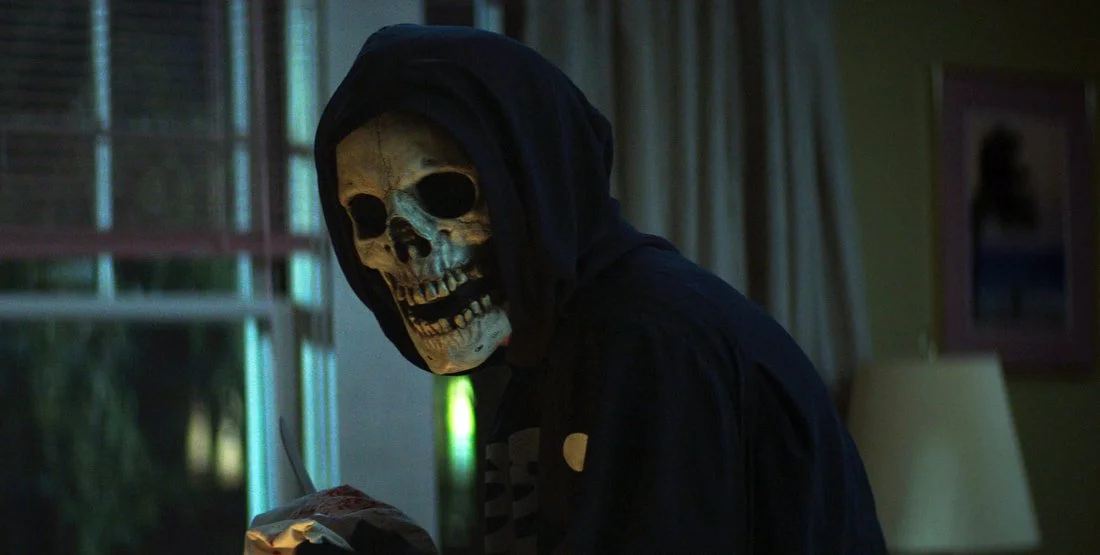
‘Fear Street Part 1: 1994’ Review
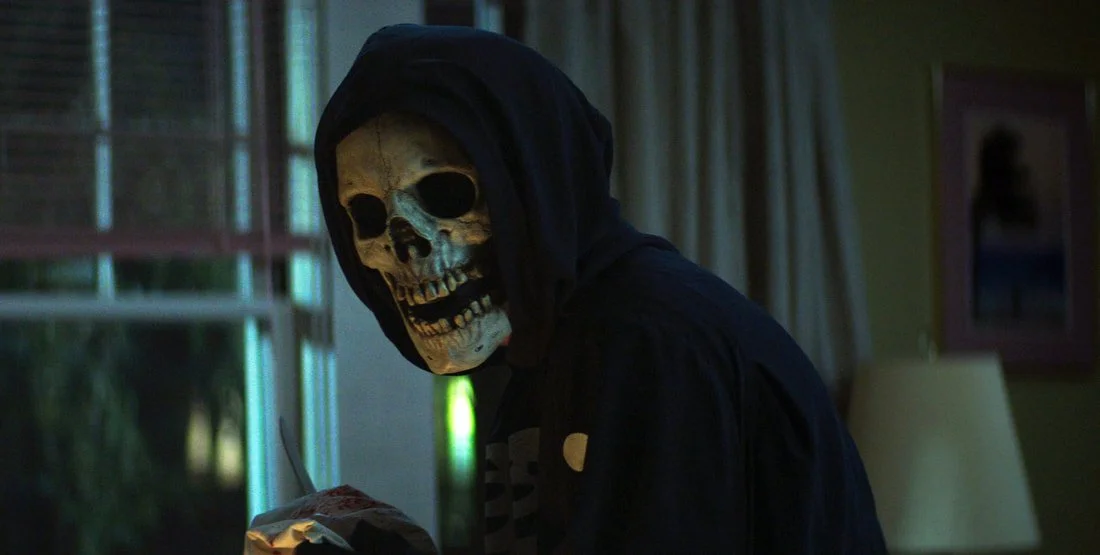
June 30, 2021
“Welcome to Fear Street, where your worst nightmares live and where the terror never ends.”
The literary horror world of R. L. Stine has seen a resurrection of book-to-screen studio adaptations in recent years. Decades after the super nostalgic 90s television series Goosebumps, based on Stine’s popular anthologies about teens finding themselves in spooky situations, the title was given a spin in 2015 with Jack Black playing the author himself. A lackluster 2018 sequel came and went, but what remains are plenty of horror fiction books to be discovered by a new generation, or rediscovered by those who grew up reading the horror author’s bone-chilling stories. Growing up in the 90s and early 2000s, Stine’s unmistakable pulpy book covers stood out on library shelves and were coveted on the pages of Scholastic Book Fair flyers. Among them, the young adult book series Fear Street, which began prior to Goosebumps and was geared towards older teens. Markedly more violent and adult, Fear Street operates on a loop of terror. Set in fictional Shadyside, the series follows the town’s sinister history through a nightmare 300 years in the making. Given the sprawling material and best-selling appetite for Stine horror, it comes to no surprise that Netflix is hitting the crest of this wave with a three-part film trilogy based on the series, and they’re off to a nostalgic start.
Fear Street 1994 (Part 1), directed by Leigh Janiak, evokes the peak 90s slasher horror that screams Scream. Wes Craven’s genre staple has a fun influence on Janiak’s choices, from the effective casting of Maya Hawke as Heather in the opening scene to employing the same film composer who chased Sidney and Ghostface through four installments. While Marco Beltrami’s creepy, brilliant score is often given center stage to play out in the Scream films, Fear Street tends to overpower his work with consecutive 90s rock song needle drops. Nine Inch Nails, Radiohead, Garbage, Pixies, the list goes on with rock hits by bands of the decade. Part 1 lays the setting of its era on thick, but in a rollicking way, tapping into a teenaged angst of trying to be edgy and cool. On a more emotionally engaging level, the kinships formed between characters give Fear Street something more to hold onto beyond the 90s horror vibes and the violent kills. The story follows a circle of teenage friends who accidentally encounter the ancient evil responsible for a series of brutal murders that have cursed their town for centuries. They soon discover these terrifying events may all be connected — and they may be the next targets.
The neon-lit Shadyside Mall opening sequence sets the tone for what’s to come — whispering threats, stylized sets, skull mask chases, and a haunted centuries-old grip on the town that drives its residents mad. Fear Street 1994 is less scary as it is one big twisted game leaning into R rated gore and witchcraft. The 90s feel like a classic way to start the trilogy, and in doing so, writer-director Leigh Janiak pays homage to the sweet spot of slasher horror through a contemporary lens. The references that make it onto the screen certainly feel like they’re coming from a filmmaker who truly appreciates and is a fan of the genre, while also wanting to make something of her own in this adaptation of a sprawling story. Working with co-writers Phil Graziadei and Kyle Killen, Janiak weaves nostalgic horror with romance and adventure of modern sensibilities.
The central love story introduced between Deena (Kiana Madeira) and Sam (Olivia Scott Welch) starts to parallel the opening lyrics of Pixies’ song ‘Hey’ as connections are made between Shadyside’s past and present. What’s initially between the two of them is distance; Sam moved to a preppy neighboring town called Sunnyvale, and Deena had a hard time adjusting to the change. The towns are 30 minutes apart but for Deena, the distance feels immense. Janiak does a good job portraying how dramatic any given experience can be for teenagers. Deena and Sam’s first scene together is an escalating argument in the midst of a football game, which sort of questionably mirrors tensions rising on the field between the Sunnyvale Devils and the Shadyside Witches. Shaky editing aside, the weight of their almost love-hate relationship is established from the get-go, which makes forthcoming plot reveals feel more resonant. There’s still a lot of emotional residue from their relationship and conversations around identity.
Kiana Madeira and Olivia Scott Welch share a strong chemistry that captures bottled up feelings well. Outside of their relationship, the film introduces characters who make up a central circle of friends: theory enthusiast Josh (Benjamin Flores Jr.), cheerleading captain Kate (Julia Rehwald), and classmate Simon (Fred Hechinger). Everyone but Deena is convinced the Shadyside Mall attack is the doing of condemned witch Sarah Fier, who as the story goes cheated death by cutting off her hand to grip the town and has returned for more revenge. But Deena soon realizes the danger they all face. After the group of friends have an accidental encounter with Fier’s cursed grave, they are suddenly thrust into her infinite thirst for blood and chased by her army of possessed killers.
Leigh Janiak’s adaptation takes some creative liberties with Stine’s Fear Street books, capturing the horror spirit while adding new elements such as the mythology of Sarah Fier, a character who features prominently in spirit as Part 1 explores witch-driven madness. Janiak has a clear vision and is able to tease the mystery out across decades, building towards a feeling of anticipation for the second installment. Without falling into too many overwhelming trappings of predictability, Janiak captures teenaged angst through setting and character. With the added support of Amanda Ford’s costume design, the 90s vibes are fairly consistent all the way through. With fun references to certain films such as Craven's Scream and John Carpenter's Halloween, Fear Street 1994 enjoyably plays into the slasher horror genre. Janiak also leans into the markedly more violent aspects of the source material, with some gruesome onscreen kills that explain the film’s R rating for bloody horror violence, including a really unfortunate scene involving a bread slicer.
At the center of this Fear Street adaptation lies character dynamics and the underlying conversation around who becomes Sarah Fier’s scapegoats. Characters who are having a hard time with identity, who feel like social outcasts and are trying to escape a dreary town. When thinking about Shadysiders from the way Sunnyvale sees them, for instance, they are looked down upon. Leigh Janiak and co-writers explore a world in which characters’ fates are decided for them by a systemic rot that permeates in the town. The infinite cursed cloud that hangs over Shadyside goes back centuries and persists systemically. Deena is a great character to lead the audience through this story; she leads with a fearless protection for those she loves and cares about, particularly Sam in a fight for survival. While some of the actors fall a little flat, Kiana Madeira gives a strong performance that becomes one of the main anchors of the story, as does Benjamin Flores Jr. who plays Josh. It’s his passionate knowledge, and immersion into AOL theory chats, that connects the dots in Shadyside.
Fear Street 1994 captures the adrenaline rush of watching a fun 90s slasher, incorporates memorable character dynamics, and turns the gore level up several notches. The tactic of unleashing the fear in three installments is off to a reviving start. For a story centered on a seemingly never-ending reign of terror, the filmmakers succeed with a structure designed to build on there being more to come. Part 1 ends on an edge-of-your-seat note that promises to bring on the mystery and evokes a familiar comfort to Stine readers, leaving fans thirsty for more.
Fear Street Part 1: 1994 releases July 2nd exclusively on Netflix at www.netflix.com/FearStreet.
Follow Fear Street on social:
#FearStreet
IG: @netflixfilm
Twitter: @NetflixFilm