
‘Black Conflux’ Review
July 1, 2021
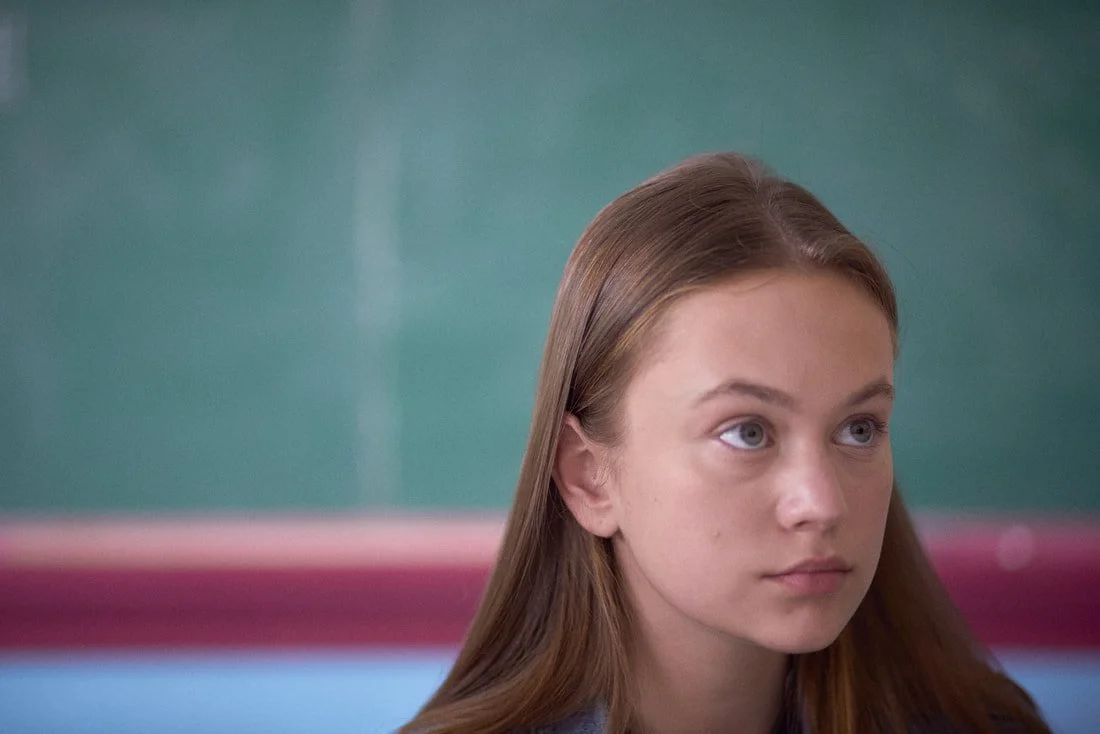
No one knows where they’re going. They just end up places, not quite sure how they got there. It’s what they do next that really matters. The words of Canadian filmmaker Nicole Dorsey’s protagonist in Black Conflux encapsulate the cloud of disillusionment that hangs over a small town in 1987 Newfoundland. Dorsey’s eerie debut feature puts her on the map as a promising talent to watch. The film follows the seemingly separate lives of an anxious teenage girl and a self-loathing man, which fatefully collide under the microscope of small-town living. Dorsey exhibits a stunning sense of control as she explores the characters’ day-to-days, bringing a fresh perspective to what coming-of-age means. While the film feels confusing and meandering at times, particularly in the first half, Dorsey manages to bring it all together by the conclusion. The melancholy story engages in thoughtful observations on toxic masculinity, and the pressurized expectations of femininity. Black Conflux stirs up emotions that simmer, not often hitting home in the moment but lingering well beyond its runtime.
The great Ella Ballentine plays the film’s protagonist Jackie, who is at a place of questioning where she fits in the world and who she wants to be. She’s introduced singing Linda Perhaus’ “Hey, Who Really Cares?” in an audition for the school choir; a fitting choice for a character searching for her own voice and wanting to be heard. Ballentine does a wonderful job capturing the sort of fleeting interest Jackie has in choir; sometimes it becomes a faint afterthought as her mind is elsewhere, until the enthusiasm peaks and she’s rushing to be part of it again. Jackie quietly contemplates the push-and-pull of investing her energy in singing and hanging out with her more rebellious friends. Under the guardianship of her distracted aunt, Jackie doesn’t really have a steady figure in her life she can look to for guidance when needed. Part of what influences Jackie comes from the ongoing notion that no one can truly escape the small town they’re all living in. Within this setting, there are pressurized expectations of femininity that Jackie’s friends subscribe to, particularly Amber (Olivia Scriven) who adheres to an idea of what girls should be interested in. The very notion of Jackie being interested in choir is enough for Amber to question, why invest time in that when she could "have fun with boys".
Nicole Dorsey makes a point of contrasting two different perspectives in the film, one of Jackie and the other of a decrepit brewery worker. Dennis (Ryan McDonald), sexually repressed and often found staring intensely into the distance, constantly critiques his every move. He lives a solitary existence and, in the few times he interacts with women, wants to assert dominance. The film shows eerie misogynistic dream sequences where Dennis imagines a group of women by his side, without agency of their own, just in service to his thoughts. These are women he “messed up” his chances with. While the screenplay shows tendencies of letting character traits do the lifting, not entirely moving beyond the surface of who the characters are, McDonald does his best to give an effective performance. He plays the intensity fairly well, and gives off a deeply unsettling aura throughout the film.
By contrasting the perspectives of Jackie and Dennis, the film raises a resonating conversation around the harmful effects of toxic masculinity on womanhood and the acceleration of girls’ journeys into womanhood. On more than one occasion, Jackie is considered to be much older than she actually is, prompting the disturbing reality of teenage girls seen as grown women under the watchful eye of men. Meanwhile, Dennis’s behavior is often met with a “boys will be boys” attitude. His sister watches over him as though he’s still a child. His work buddies merely shake their heads when he bails on a date because of how a woman looked. Throughout the film, there are allusions that eventually Dennis and Jackie will meet, which fills the story with a sense of dread. Eerie imagery, such as fixating on Jackie watching a birdhouse and then cutting to a scene of Dennis drinking from a bird print mug, suggests an inevitable collision between the two characters. There are a few moments where Jackie will see Dennis drive by while out with her friends, their eyes randomly meeting for a second. These scenes capture the small town setting and also build uncertainty as to when the characters will meet, and what will happen.
The small town setting of 1980s Newfoundland, a rarely seen place in films, is captured beautifully. There’s a haunting quality to the sense of place in the film. The 80s are conveyed subtly, not at all overbearing or obviously neon. What Dorsey truly captures is the essence of a spot and the feeling of disillusionment, as though the characters are living in some sort of simulation. The film is a contemplative look at people in perpetual searching, not knowing how to break from their current existence and move on in a world of promise beyond them. Black Conflux slow builds in its exploration of characters going through the motions, and eventually seeing their worlds collide in unexpected ways. The story often sits in contemplation with them, which gives the film a sluggish pace posing the question, where is this going? More often than not, there’s a meandering quality to the film, and a lot of wondering of what Dorsey is ultimately saying. But once the no nonsense ending hits, what becomes crystalized is how much the director (and performers) are able to convey in moments of stillness. It’s the moments of stillness throughout the film, and those times where the characters engage in a daily routine thinking, “Is this it? Is this real?”, that carries Black Conflux to a converging conclusion. The ending, quiet and simple, calls into question if anything Dennis has experienced is real, and gives Jackie a sense of salvation where she’s not defined by anyone or any expectations. Dorsey gives reaffirmation to her protagonist, answering her choral calls.
Black Conflux will be available starting July 2nd on the Digital TIFF Bell Lightbox.
‘Fear Street Part 2: 1978’ Review
July 7, 2021
The moment Samantha Fraser accidentally encountered Sarah Fier’s grave in Fear Street 1994, the writing was on the wall. With a centuries-old grip on the town of Shadyside, the witch’s whispering threats have claimed the souls of countless victims, their names carved onto the underground walls of Fier’s haunted cave to represent a nightmare set in stone. The writing was on the wall, and it was only a matter of time before Samantha would be in danger. Fulfilling the promise of more anticipatory mystery, Fear Street 1978 (Part 2) picks up where Part 1 leaves off, with Deena promising to get Sam back. To understand their conundrum in present-day, Deena and Josh revisit the past by approaching C. Berman (Gillian Jacobs), the only person to have seen the witch and lived to tell the tale. Berman’s story, which sees Deena and Josh huddled near her like listeners around a spooky campfire, takes Fear Street down a winding road to 70s horror.
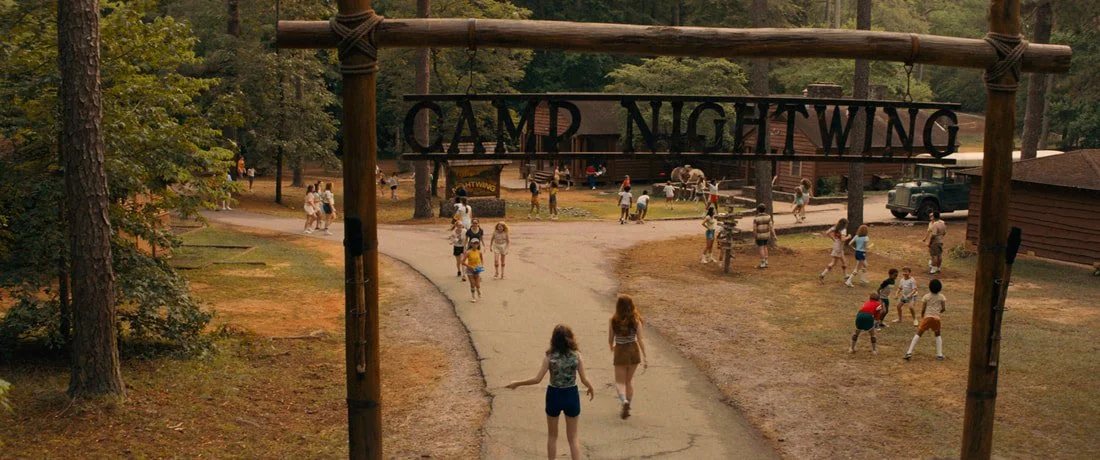
Adapted from R. L. Stine’s best-selling books, Fear Street 1978 follows a group of teenagers, including Berman sisters Ziggy (Sadie Sink) and Cindy (Emily Rudd), at Camp Nightwing in Shadyside. School’s out for the summer, but when a Shadysider is possessed with the urge to kill, fun in the sun becomes a gruesome night for survival. Part 2 accelerates the Fear Street level of gore with a brutal series of axe murders that leave a disturbing trail behind. In addition to the horrific kills and eerie 70s atmosphere, Fear Street 1978 tells a resonating tale of two sisters grown apart who find a way to reconnect. The pair represents different perspectives of being a Shadysider; while Ziggy often falls into trouble and is considered an outcast by rival Sunnyvale kids, Cindy chases the myth of perfection to make the truth of her town disappear. Both are determined to see the world how they wish to see it, often resisting each other’s reasoning. Tough and quick to brush off what Sunnyvalers say about her, Ziggy leans fully into the witch’s curse as an explanation for why her life is the way it is.
Guided by a strong moral compass, Cindy rejects witchcraft “rumours” in favor of logical explanations. She’s fueled by her strong desire to be more polished and educated, in order to shed the reputation Shadysiders have as “crazy”. The curse is tied to a town she wants to get away from. While the two sisters don’t share a ton of screen time, the weight of their relationship is felt so deeply. Sadie Sink and Emily Rudd do a wonderful job conveying the friction between these characters, while also tapping into a layer of history hinting at how close they once were. At the emotional core of the film is Ziggy and Cindy’s relationship, which spirals in unexpected ways.
Working with co-writers Phil Graziadei and Zak Olkewicz, writer-director Leigh Janiak weaves camp slasher horror with strong character dynamics and a potent 70s vibe. Part 2 brings a lot more gore, spookier scares, and the eerie impulse to look over your shoulder when it's all over. As the majority of the film takes place at Camp Nightwing, Janiak builds onto the fear of being in an isolated setting and evokes the eerie ambiance of cabin fever. The sense of place is incredibly strong, and the use of setting is impressive. Janiak finds ways to incorporate so much of this campsite, and raises the stakes for characters with frightening scenarios at the hands of witchcraft.
Part 2 delves into deeper exploration of Sarah Fier’s lair, the potentiality of putting an end to the Shadyside curse, and how C. Berman’s never-ending nightmare truly begins. The story makes neat and cohesive connections to possessed characters that were introduced in Part 1, including Ruby Lane and the axe murderer. To further unravel the Fear Street mystery, 1978 introduces Mary Lane (Jordana Spiro), camp nurse and mother to Ruby. Nurse Lane, known by campers as the one whose daughter “went crazy,” firmly believes the witch’s curse is to blame for what Ruby did. The nurse has a sixth sense for the witch’s whispering threats and sees the writing on the wall. She knows who the next Shadyside victim will be.
Leigh Janiak’s adaptation excels at drawing out the witchy mystery just enough without killing anticipation for the final installment, which promises the origins of Sarah Fier’s curse. The groundwork is certainly being laid for Shadyside history to come full circle. Part 2 includes some striking visual echoes and a few twisty character reveals that recall moments from Part 1. The glowing tree planted in the 90s town mall is home to a sought-after key to the curse…one that Nurse Lane tried digging for, as the numerous X’s marked on her Camp Nightwing map indicate. 1978 also elaborates heavily on the axe murderer/Nightwing killer, a subtle homage to a hybrid of Jack Torrance and Leatherface, whose possession wreaks gory havoc on the campers. The killer unleashes during the biggest night of the summer, the ’78 Color War where Shadysiders and Sunnyvalers tag each other, putting counselors in a scramble to locate all the campers and bring them to safety.
Part 2 splits into various storylines and covers multiple campsite locations, which builds on fearful anticipation for what will happen next. It’s a great way to introduce new characters, and get to know more about the dynamics they share. Cindy, her former friend Alice (Ryan Simpkins) and their boyfriends Tommy (McCabe Slye) and Arnie (Sam Brooks) find themselves underground in search of clues to end the witch’s curse. Alice in particular is an intriguing character, masking sadness with a chaotic energy and exuding a fearless quality that she misses in Cindy. The two of them end up finding a lot more in common as the story progresses. Meanwhile, Ziggy is exploring a budding relationship with Nick (Ted Sutherland), whose role as one of the camp counselors raises eyebrows about boundaries being crossed. She also dodges the devious relentlessness of Sheila (Chiara Aurelia), the Sunnyvale queen bee who seizes any opportunity to bully Ziggy. Much like 1994, Fear Street 1978 incorporates memorable characters that drive the story to engaging places.
As demonstrated in Fear Street 1994, there’s an endearing and fun appreciation for the horror genre through references to iconic titles. What makes the references work so well is a combination of subtlety and application. 70s horror vibes shine through the dialogue, visuals, camera movement, characters, and soundtrack of Fear Street 1978. Leigh Janiak infuses homages in a myriad of thoughtful ways, and maintains her own clear vision in the process. Inspired by 70s and 80s summer camp slasher films, Part 2 creates a campsite design that feels secluded and almost illusionary in its sense of leisurely togetherness. The impending doom marks a countdown to insanely gruesome kills reminiscent of Friday the 13th (1980), and claustrophobic cave scenes that echo The Descent (2005). Part 2 also throws in neat references to Carrie (1976), visually with a prom-style trap and narratively with Ziggy’s supernatural reputation among the Sunnyvalers.
From the visuals to the spirited score and awesome soundtrack, Part 2 lays the setting of its era on well. The film builds on familiar horror elements and makes spooky use of secluded cabins in the woods. While Janiak succeeds at creating something of her own within the source material, the story falls into a few eye-rolling tropes often seen in horror movies. Elsewhere though, the Final Girl trope is refreshingly turned on its head. The film raises an interesting thought about the witch’s murderous scapegoat, and how this parallels a chase for perfection, for example. That no matter how much characters try to distance themselves from entertaining a Shadyside reputation, no matter how much they want to reach an idea of perfection, the truth of this town reaches from beyond the grave to shatter the illusion of escape.
For a second time, Leigh Janiak makes her mark in the horror genre with a distinct Fear Street adaptation and pays homage to classic titles without stumbling into carbon copy territory. Part 2 turns back the clock on Shadyside to explore a story of siblings, sacrifice, and uncovered secrets about the evil grip on the town that has C. Berman frozen in time. Fear Street 1978 hits the sweet spot of summer horror, incorporates a new group of memorable characters, and tells a resonating tale of two sisters. The filmmakers continue to find success by unleashing the fear on a weekly basis, this time around leaving room to savour the first two installments and anticipate the final chapter.
Fear Street Part 2: 1978 releases July 9th exclusively on Netflix at www.netflix.com/FearStreet.
Follow Fear Street on social:
#FearStreet
IG: @netflixfilm
Twitter: @NetflixFilm
Future of Film Showcase (FOFS) 2021 Capsule Reviews
“Flower Boy is a bittersweet coming-of-age story that glows with good performances and a clear voice at the helm.”
July 12, 2021
Flower Boy is one of the 11 short films screening at the 2021 Future of Film Showcase (FOFS), a Canadian not-for-profit media arts organization presenting short films from Canadian filmmakers aged 40 and younger.
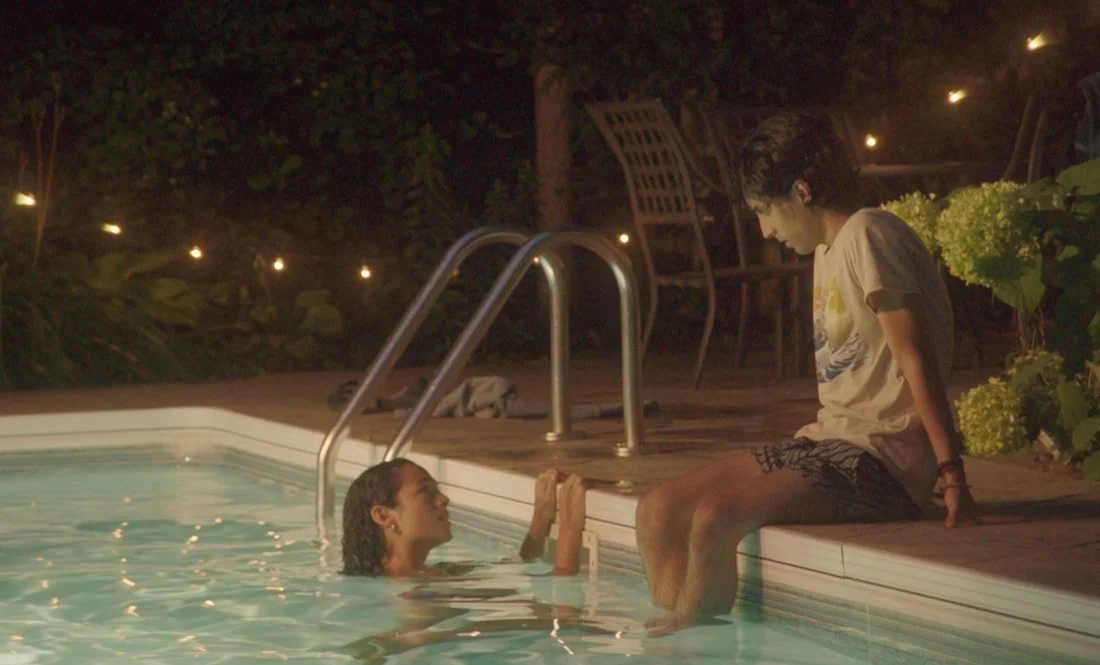
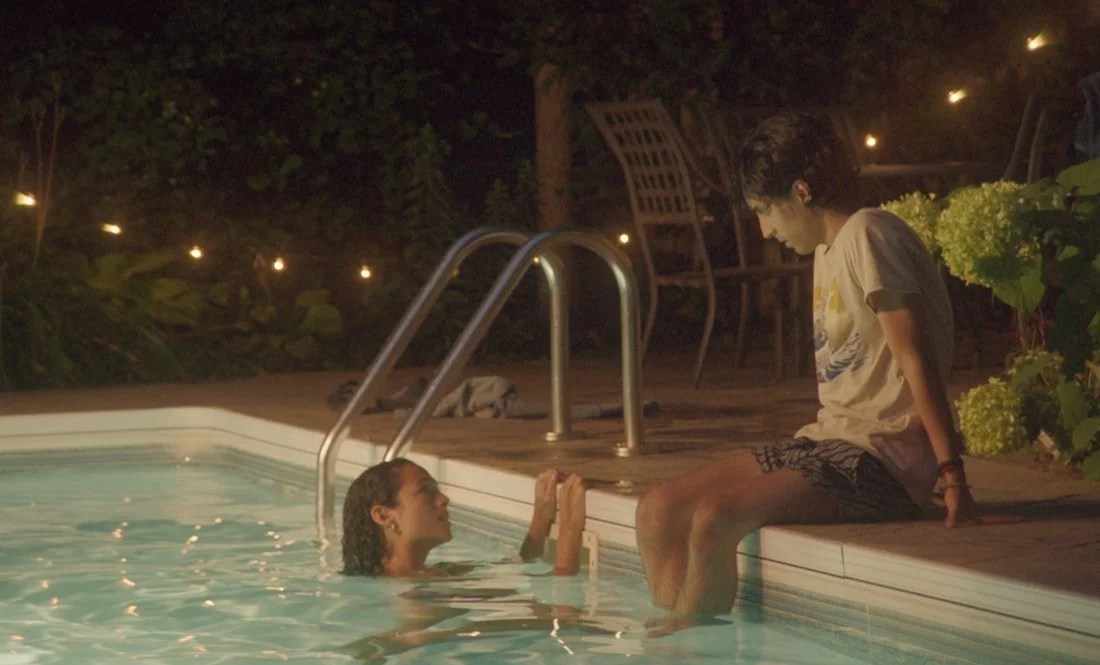
Filmed in a dreamy summer haze, Flower Boy captures the hopes and dreams of a teenager figuring out who he is. The short film, written and directed by Anya Chirkova, brings together characters in different moments of their lives. As August creeps in, Nav (Maziyar Khatam) forms an intimate bond with an audacious painter Sarah (Andrea Pavlovic) and a middle-aged laser tag owner Frank (David Richard). Just as he begins to find himself, summer inescapably comes to an end. Sarah is leaving for school to study visual arts. Frank, riddled with thwarted dreams of becoming a musician, is stuck at a dead-end job. Meanwhile, Nav is at a loss for what step to take next. He’s passionate about making music, but his work is not something he’s willing to share much with others. A cloud of uncertainty follows him around. He feels like he should be doing something and doesn’t have the answers, a deeply resonating sentiment that strikes at any age. Flower Boy touches on a universal theme of inner uncertainty, and how this often gets in the way of people figuring out what they want to do in life. Frank’s kernel of advice is to do the things that matter to you, be with the people that matter to you. Enjoy being alive. Sarah wants to see Nav blossom, for him to move as far away from laser tag as possible so as not to get stuck in a place of habitual comfortability.
The fact that the story of Flower Boy transpires over summertime, particularly when August creeps in, is a wonderful choice. When fall is not far around the corner, change is in the air. New beginnings are on the horizon, and the emotional response to change can often be a nostalgic one. There’s a wistfulness about the character of Nav. He often seems stuck in a daydream…pensive about how to make the next step with his music, how to maintain a blossoming but fleeting summer romance with Sarah. Anya Chirkova beautifully conveys this daydream quality through a sort of faded, blurring cinematography. She evokes that sleepy feeling after spending hours in the sun. Creating a vibe on screen is a challenge Chirkova is totally up for and delivers on. The story really evokes the feeling of reminiscing about a golden, special summer. One that ought to never end, because once it does (particularly for teenagers and young adults), what’s left is a heap of decisions waiting to be faced. Whether it’s related to school or finding a career, there’s a mounting pressure that comes with not knowing what direction to go in. This pressure is hovering just outside of Nav’s summertime experience, where he’s soaking up the sun with Sarah and coasting through a chilled-out job, but at the back of his mind is the anxiousness of not really having a plan.
Flower Boy is a bittersweet coming-of-age story that glows with good performances and a clear voice at the helm. The low-fi cinematography and ‘relax & unwind’ music add to a dreamy summertime quality. As someone who grew up in and around Toronto, the setting and place have an almost instantly recognizable quality, and this specificity also allows the story to reach a universal place. There’s a great deal of nostalgia surrounding the characters, particularly the protagonist. Nav is holding onto the heat of the moment, a glimmer of promise in bonding with Sarah and coming out of his shell a bit more, before having to face the inevitability of summer ending. The film beautifully explores the power of a meaningful connection, to someone or something, no matter how brief or fleeting.
The 8th annual Future of Film Showcase will be available to stream across Canada for free on CBC Gem from July 9 to 22, 2021. Visit www.FOFS.ca for the full short film lineup, which includes more women-led stories to discover.
“Sarah Swire and Tyson Coady gives startlingly great performances, making Parlour Palm feel all the more resounding in the messages conveyed.”
July 8, 2021
Parlour Palm is one of the 11 short films screening at the 2021 Future of Film Showcase (FOFS), a Canadian not-for-profit media arts organization presenting short films from Canadian filmmakers aged 40 and younger.
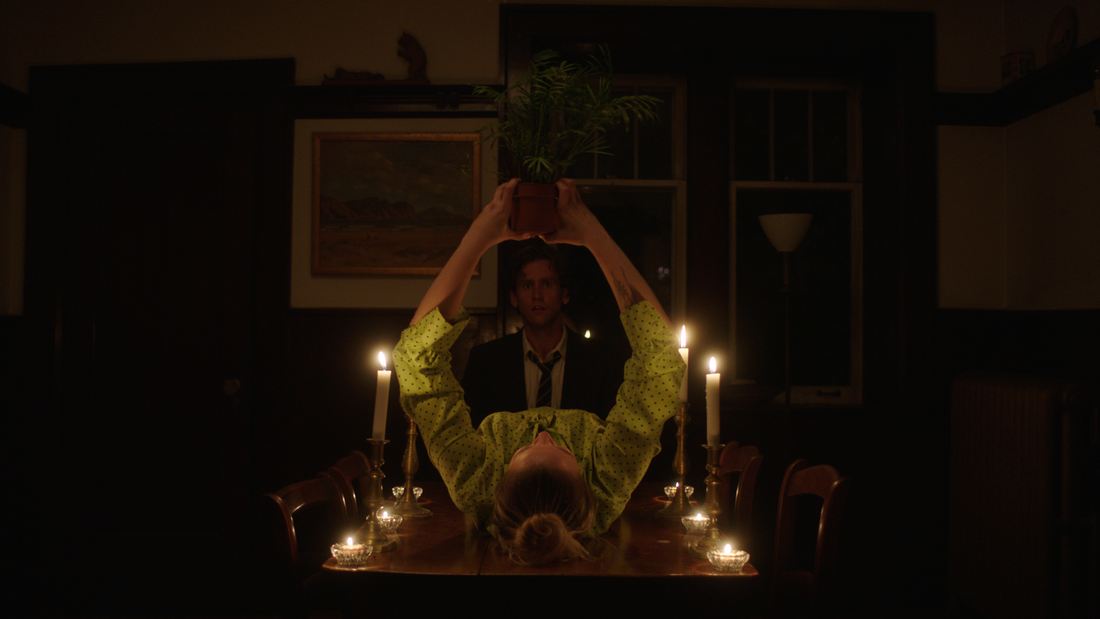
At the core of Parlour Palm is one woman’s descent into a climate crisis inspired, anxiety-fueled manic episode. Mel (Sarah Swire) lives with Bipolar Disorder. Her partner Brayden (Tyson Coady) is an overworked lawyer attempting to care for her. The two of them spend a lot of time in their parlour. From playful dinners and arguments to random casual activities, this one space in the house captures them day and night. Upon closer look, with more focus growing on Mel’s perspective as she reads the horrors of the world on a computer screen, she is nearing the brink of a breakdown. Directed by Rebeccah Love, this evocative film is a truly unforgettable portrait of living with Bipolar Disorder. Love explores a protagonist in existential crisis. From wildfires in California to billion-dollar corruption and greed, the weight of the world is resting heavily on Mel as she tries to cope with darting thoughts. With a 23-minute runtime, the film shines a light on grand discussions in a myriad of compelling and poignant ways.
Mel’s frame of mind drives much of the story, both intimately and from an outside perspective. The person Brayden says goodbye to before heading to work in the morning is in an entirely different mindset when he returns home. Love does an incredible job framing the narrative around how gradually drastic the changes in Mel’s personality become. The film patiently explores how the protagonist’s mind transitions into crisis mode, often sparked by a discussion on very real concerns about the state of the world. An interesting recurring theme is the love and care she gives to a new plant in her home. The idea of motherhood and taking care of a baby is a lot to bear; she just wants to take care of the plant. Mel is a character not often seen in mainstream films, or portrayed in a way that derives from a truthful foundation.
Parlour Palm brings a sense of openness and sensitivity not only to those who live with Bipolar Disorder, but also the loved ones who care for them. The challenges Brayden faces from seeing Mel experience terrifying symptoms, and his heightened emotions about not having the time nor energy to “deal with her,” bring a shattering layer to the story. Sarah Swire and Tyson Coady gives startlingly great performances, making Parlour Palm feel all the more resounding in the messages conveyed. With stunning camerawork and cinematography, Love makes striking use of a limited set. The performances shine in a character-driven piece, and bring to life a thoughtful portrayal of a disorder that needs more understanding.
The 8th annual Future of Film Showcase will be available to stream across Canada for free on CBC Gem from July 9 to 22, 2021. Visit www.FOFS.ca for the full short film lineup, which includes plenty more women-led stories to discover.
“This Is A Period Piece makes a charming impression and brings plenty of promise for what Bruna Arbux does next.”
July 8, 2021
This Is A Period Piece is one of the 11 short films screening at the 2021 Future of Film Showcase (FOFS), a Canadian not-for-profit media arts organization presenting short films from Canadian filmmakers aged 40 and younger.
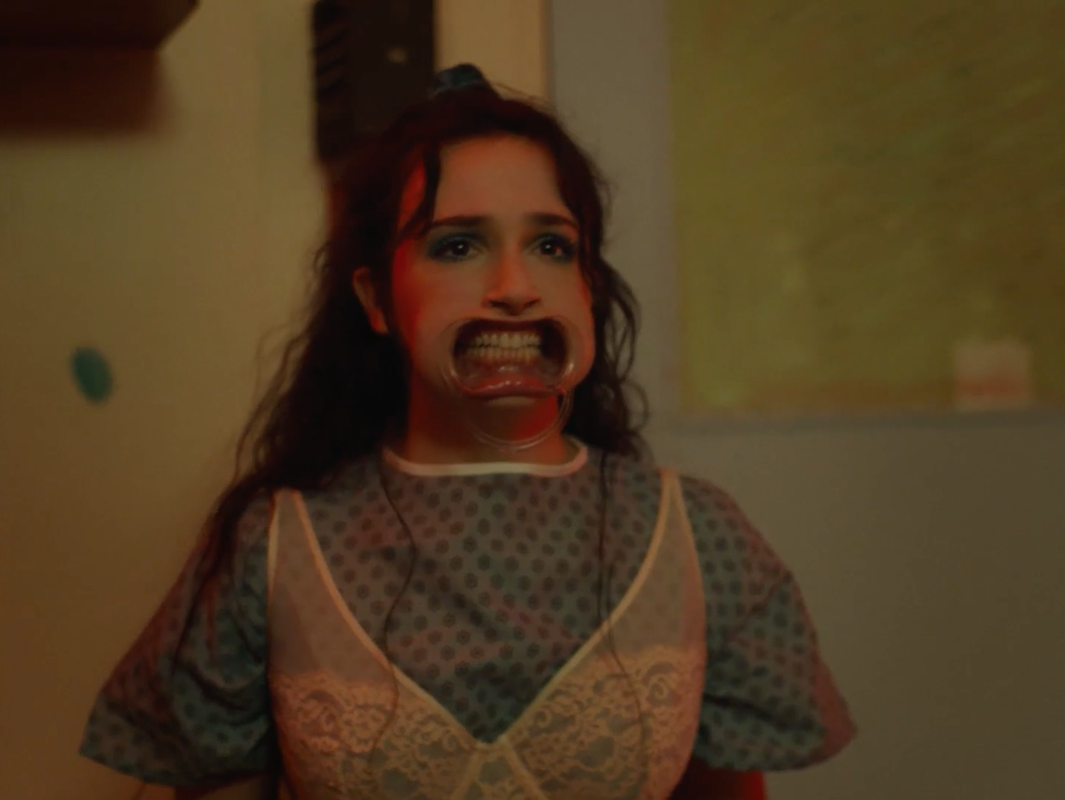
Anyone who has their period can perhaps recognize the initial horror and insecurity around first experiences of menstruation. Personally, rolling around on my bedroom floor thinking the absolute worst, that life was over. The slight reluctance in saying this aloud is comforted by the open dialogue Brazilian filmmaker Bruna Arbex encourages in her short film. Given the plentiful resources readily available as cycle guides, the horror of not knowing what to do is even more deeply felt in the pre-Internet age. Arbex’s wickedly titled This Is A Period Piece tells the 90s-set story of Riley (Matreya Scarrwener), a 13-year-old tomboy confronting her fears of becoming a woman the night she gets her period for the first time. Arbex dabbles into the horror genre by showing a twisted version of what it means to approach womanhood. Finding the perfect bra, getting the perfect smile, and walking in heels become obstacle courses in a creepy hospital ward, a surreal place where Riley goes in her mind when her period starts. At the ward she meets devilish nurses and is played a tampon instruction video (guided by the neatly named Aunt Flo). The consensus that surrounds Riley’s first menstrual cycle is she’s now “crisp and clean,” all ready to impress all the boys. The film makes compelling use of the colour red in the hospital scenes. While surreal and stylized, these moments feel grounded in Riley’s perspective.
This Is A Period Piece is an endearing depiction of innocence and insecurity, as well as the spirited determination to push beyond stereotypes of what it means to be a woman in the world. Arbex creates a funny and entertaining narrative around the acceleration of young girls into womanhood, particularly when it comes to how they are pressured to look and behave a certain way from a young age. There’s a strong sense of independence in the character of Riley. Without her mother or any older female figures around to guide her, she relies on TV commercials that give her a materialistic view on womanhood. She finds her own voice among the noise and emerges from the nightmarish hospital ready to paint the town red, ready to conquer anything. Arbux addresses stereotypes surrounding womanhood and brings a lot of openness to a topic that young girls can often feel uneasy discussing publicly. The film includes a charming scene between Riley and her father having a reluctant period talk, where she assures him she can handle it herself. The delicacy that can overpower conversations around periods is met with a strong encouragement to keep the dialogue open. This Is A Period Piece makes a charming impression and brings plenty of promise for what Bruna Arbux does next.
The 8th annual Future of Film Showcase will be available to stream across Canada for free on CBC Gem from July 9 to 22, 2021. Visit www.FOFS.ca for the full short film lineup, which includes more women-led stories to discover.
“Wash Day brings expressive conversations to the forefront, and makes a lasting impact on redefining self-love as taking the time to love others.”
July 8, 2021
Wash Day is one of the 11 short films screening at the 2021 Future of Film Showcase (FOFS), a Canadian not-for-profit media arts organization presenting short films from Canadian filmmakers aged 40 and younger.
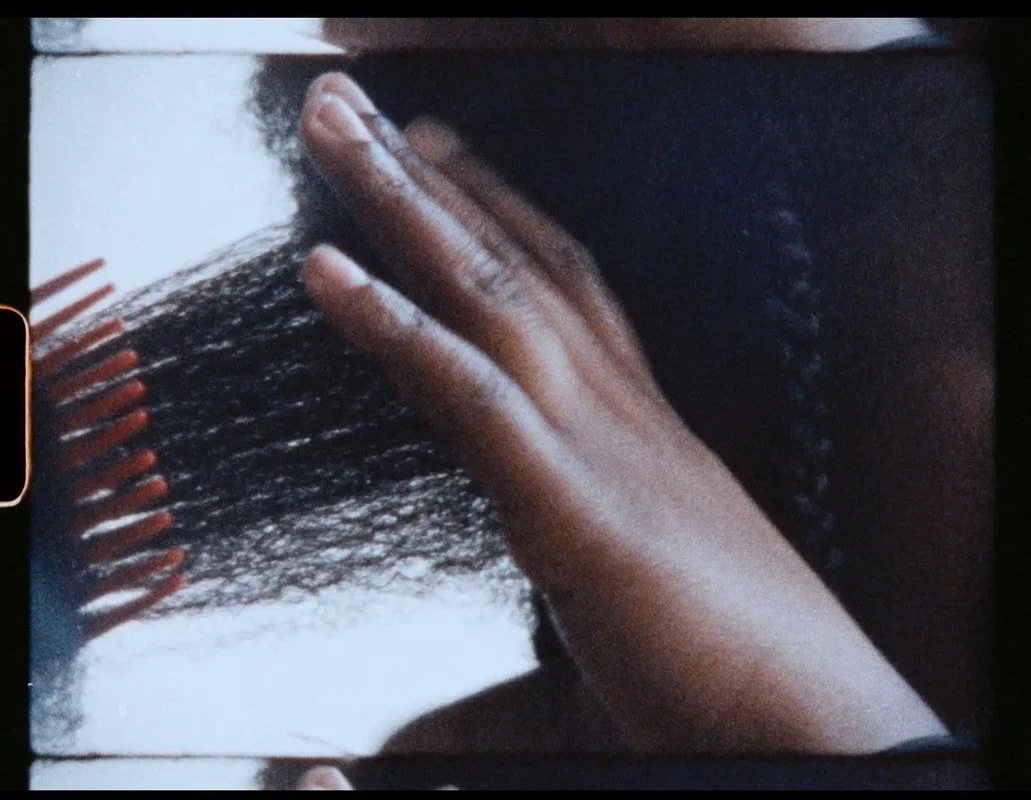
As they get ready for the day, three young Black women discuss the public perception of their Blackness in relation to finding a strong sense of self. Toronto-based writer and filmmaker Kourtney Jackson explores the private acts of washing one’s hair and body as the criterion for her film. Wash Day is an intimate love letter to navigating the politics of one’s outwardly appearance and redefining what it means to be beautiful. This film brings incredible focus to Black women’s perspectives on their appearances, and how harmful public perceptions affect their individualism. Jackson explores how intimate, domestic acts such as washing hair or putting on makeup in their homes become a significant re-acquaintance with the body. With the beautiful use of voiceover to echo strong sentiments, Wash Day highlights the complexities of self-love for Black women and vocalizes their internal thought processes before stepping into the world. The experimental cinematography and editing, also accomplished by Jackson, bring an intimate feeling to the film. In under 10 minutes, three in-depth glimpses into women’s lives make a profound impact.
Wash Day sparks meaningful discussions about the inwardly and outwardly relationships between Black women and their bodies. From putting on wigs as a form of self-expression, to learning how to take care of natural hair, to wearing baggy clothes and being perceived as an adult in childhood years, this film makes a stunning depiction of self-love as a lifelong process. The film is full of so many strong sentiments, including the distinction made between beauty and looking good. The last woman featured in particular speaks on getting into the practice of complimenting friends on their beauty, and recognizing layered meanings of the word “beautiful”. Beauty is also being genuine, honest, and unapologetic, moving towards a definition beyond physical appearance.
As well, Jackson incorporates the complexities Black women face about ownership. The second woman featured speaks on feeling she has no ownership over her body, and takes pride in a feature such as her hair, which people touch without any understanding or regard of her own personal dimension and space. The first woman featured speaks on her natural hair suddenly being a burden after transitioning, and the importance of feeling secure in her beauty element. Wash Day brings expressive conversations to the forefront, and makes a lasting impact on redefining self-love as taking the time to love others. Kourtney Jackson has a resonating voice, and her beautiful film is the highlight of the 2021 Future of Film Showcase.
The 8th annual Future of Film Showcase will be available to stream across Canada for free on CBC Gem from July 9 to 22, 2021. Visit www.FOFS.ca for the full short film lineup, which includes more women-led stories to discover.
‘Fear Street Part 3: 1666’ Review
July 16, 2021
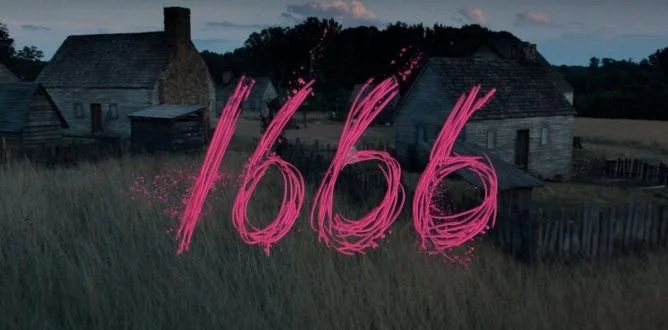
Leigh Janiak’s sprawling adaptation of R. L. Stine’s Fear Street books unleashed not one, not two, but now three distinctly entertaining films, each successfully conveying the atmosphere of different time periods. What unites the three films is a coherent exploration of generational horror, and an unwavering focus on endearing characters. History repeating itself in Shadyside is a recurring theme that Janiak shines a light on in 1994 (Part 1) and 1978 (Part 2). Characters connect the dots between a series of brutal murders that have cursed their town for centuries. In Fear Street 1666, the third and final installment in her trilogy, history comes full circle on a night that changes the lives of Shadysiders forever. In this story, the origins of Sarah Fier’s curse are finally revealed in heartbreaking ways, with a shattering twist that speaks to where Janiak’s vision has been bubbling towards all along. Fear Street 1666 is a rollercoaster of emotions that sticks the landing, and blends 17th-century magic with a wicked origin story about systemic rot.
The gooey beating heart of evil, first uncovered through 1978 tunnel vision with an axe murderer on the loose in Part 2, has endured for centuries. Fear Street 1666 spirals down a path of twists and turns to uncover the origin of this evil, beginning with the character whose name has been whispered and weaponized among Shadysiders all this time: Sarah Fier. Set in the 17th-century town of Union, the film follows a reimagining of history from Deena’s point of view as she is gripped into Sarah’s shoes and lives out her past in order to figure out the truth. The creation of a dual role for Sarah Fier, Deena’s version and the real one (played by Elizabeth Scopel), is an interesting choice that speaks to some of the underlying messages of this story. The characters of Deena and Sarah are strong parallels to each other; here are two young women from different decades cast aside as “outsiders,” and feeling the weight of a systemic rot that has decided the trajectory of their futures. By understanding more about Sarah’s experiences, Deena is able to uncover the truth about the Shadyside curse and essentially be a part of retelling a mythology that had been manipulated for so many years. It is through Deena’s fearless protection for those she loves that drives her to see this journey to the end, and that is one of the most striking reasons why she’s a great protagonist to lead the way.
Fear Street 1666 blends historical detail with the dark magic elements of possession and supernatural forces. The production design and art direction evoke a sense of familiarity with many of the set pieces and locations, such as the tunnels surrounding the beating heart of evil. The colonial meeting house-turned summer camp cabin-turned shopping mall is a wonderful example of how continuity in setting gives the story a strong sense of place and adds effective detail to the location. Seeing the same place changed in the lens of different eras puts into perspective just how long the town of Shadyside has endured the curse. This centuries-old grip is also felt through the character of Deena, as she falls into Sarah Fier’s shoes and goes back in time to see what Sarah experienced at the hands of sinister forces. Adding to the 1600s setting are a sweeping score one would often find playing in period pieces, distinct costume designs fit for the era, plus the actors adopting 17th-century vernacular and accents. The film includes familiar faces from Parts 1 and 2 who step into new characters dressed in bonnets and loose jackets. Some of the recycled cast members are jarring at first, as are their attempts at the accents, but ease into the background once the story focuses more on Sarah/Deena and her relationship with the pastor’s daughter Hannah (Olivia Scott Welch).
Aside from some horrific moments throughout, one involving a possessed pastor in a meeting house, the slasher horror and gruesome kills that feature heavily in Parts 1 and 2 are scaled back in Part 3. Janiak explores more layers of the genre with generational and psychological horror that permeates on a systemic level. This is a thread she touches on particularly in Part 1 with conversations around who become the scapegoats of the Shadyside curse, often characters who are considered social outcasts. In planting those seeds early on, the twist of the film hits especially hard and is accompanied by a surprisingly poignant speech that defines truth as a curse. In exploring the origins of Sarah Fier’s curse, Janiak brings a reverberating poignancy to the story, particularly to the narrative of a young woman whose own trace in the world is twisted by a wicked search for power and prosperity. The film tackles a variety of issues from systemic oppression to abuse of power, all baked into the idea that this leads to the destruction of Shadysiders.
Working with co-writers Phil Graziadei and Kate Trefry, Janiak maintains strong character dynamics. She also weaves in engaging conversations around how horror elicits fear in different ways. Being haunted by the truth, for instance, is a big aspect of the film and more specifically the twist, a great subversion that takes the story to surprising places in a monstrous 90s neon-soaked rollercoaster of a final act. It’s by far one of the most entertaining sequences of the trilogy, a pure horror show that sees characters unite in the face of the walking dead. The pacing is also done exceptionally well so that the turn of events feels all the more unexpected, and there are just enough details spilled along the way to go back and rewatch the first two parts just for the thrill of rediscovering certain moments under a different lens.
Another resonating aspect of Part 3 is the parallel drawn between Sarah Fier and those she grips in her path. Characters such as Deena and Ziggy, for example, have shared what they’ve seen and are not believed by authority figures (whether it be by cops or camp counselors). They recognize Shadyside as the product of ongoing systemic destruction. It’s interesting food for thought that they see the witch, through the grip of her hand, more so Deena who gets further along in the journey to end the curse. Kiana Madeira does a wonderful job as Deena/Sarah; she conveys an unwavering passion as these characters. It’s palpable on screen that she brings her all to a fiercely protective protagonist, whose determination sees her through to a place where no one else has reached.
Filling up a strong cast are Olivia Scott Welch, who brings a different spirit to the character of Hannah and shows some range in comparison to Sam in Part 1. Gillian Jacobs has a bit more to do as Christine “Ziggy” Berman; her character sees a heartfelt arc that brings her out of the solitary existence she’s been living for decades as a result of the Camp Nightwing massacre. Another character thankfully given more screen time is Martin P. Franklin (Darell Britt Gibson), who has great comedic timing and gets to be one of the heroes. Ashley Zukerman has one of the most crucial tasks in his dual roles as Solomon Goode, who acts as Sarah Fier’s confidante, and a reprisal of Sheriff Nick Goode from Part 1. The performances are great on the whole, and especially compelling at portraying characters from a new perspective within multiple genres.
One of the thrills of watching Part 3 is to recognize visual and thematic echoes from the previous two installments. Janiak does a wonderful job of making the entire trilogy feel cohesive as she builds on a clear vision and returns to what has always been beating at its heartfelt core, the love story between Deena and Sam. Much of the Fear Street trilogy is anchored around this queer love story, and discovering new ways for how the narrative of a Shadyside nightmare 300 years in the making can be written around a relationship at the center. Part of what makes Deena and Sam well-written characters is that they are given the space not to be idyllic or “perfect”. They are unlikeable at times, make each other angry sometimes, and it’s interesting to watch the love/hate relationship established at the beginning of Part 1 continue to grow.
Fear Street 1666 conveys the nuances of Sarah Fier’s history, the painful revelation of her truth, and the mythology of why she holds a centuries-long grip on Shadysiders. The tactic of unleashing the fear in three installments has a clear vision behind it. Leigh Janiak reimagines the fun and gore of R. L. Stine’s world with a whole lot of spirit. She also tells a resonating story about the myth of Shadyside’s curse and the generational destruction left behind by a disturbing craving for legacy at all costs. The film spirals down a twisted path to uncover the root of evil in Shadyside, maintains a resonating love story as the core of this trilogy, and brings Shadyside back to a revitalized 90s chapter. Part 3 ends on a satisfying note with a wink of promise that perhaps there’s more to explore on Fear Street, hopefully with Leigh Janiak still at the helm.
Fear Street Part 3: 1666 releases July 16th exclusively on Netflix at www.netflix.com/FearStreet.
Follow Fear Street on social:
#FearStreet
IG: @netflixfilm
Twitter: @NetflixFilm
‘Gunpowder Milkshake’ Review
July 23, 2021
Once women reach a certain age (40 and above) in Hollywood, they are deemed less valuable and less capable of leading a film. This antiquated belief embedded within the studio film industry has often seen young actresses cast in roles beyond their years. Meanwhile, the careers of countless older actresses decline in quality/opportunity or fade into oblivion, and it’s not because they suddenly stopped being talented. There’s an added pressure particularly on women in this youth-obsessed industry; not only is Hollywood infinitely less forgiving of their career missteps, but there are not nearly enough good roles that exist as they get older. Gunpowder Milkshake is an unfortunate example of just how often older women are cast away, relegated into window-dressing supporting roles that feel more like paper thin caricatures than human beings. With a cast that boasts absolutely incredible actresses such as Angela Bassett, Carla Gugino, Michelle Yeoh, and Lena Headey, it’s a travesty that these women are given so little to do. It’s a striking echo to the conversation that Karen Gillan is front and center. Talented in her own right, but woefully miscast and lacking the screen presence to carry this neon-lit action feature. As it turns out, the supporting cast are infinitely more interesting to watch.
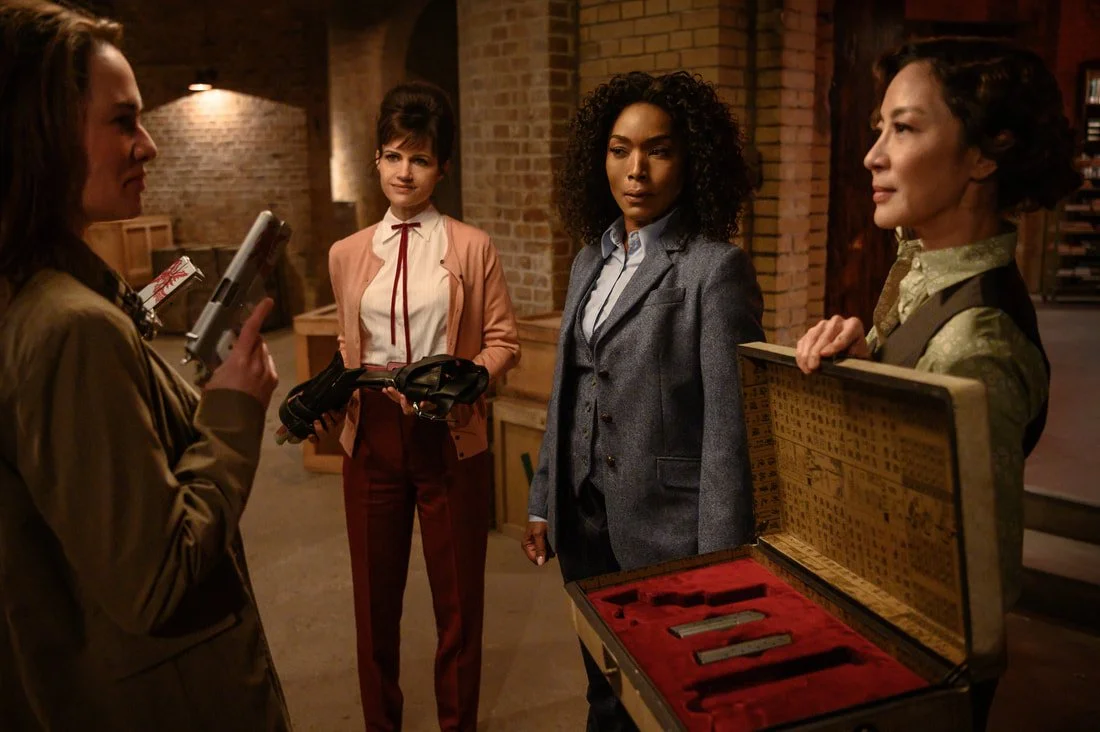
Directed by Navot Papushado, who also co-wrote the script with Ehud Lavski, Gunpowder Milkshake is a film that exemplifies how men fail to grasp the complexities of well-written roles for women. The story centers on Sam (Karen Gillan), a professional assassin whose high-stake mission spins out of control and unleashes a gang war. Money is stolen from The Firm, the organization Sam works for, and her boss Nathan (Paul Giamatti) puts her on the case to retrieve it. Sam crosses the wrong people and decides to go rogue when an innocent 8-year-old girl gets caught in the crossfire. This leads her back to her mother Scarlet (Lena Headey) and former sidekicks Anna May (Angela Bassett), Madeleine (Carla Gugino), and Florence (Michelle Yeoh), as they all join forces against the men who took everything from them. The film is at its most enjoyable when they all get to kick some serious ass, particularly in the final act. But those moments are few and far between. The filmmakers squander the opportunity to use a great ensemble in favor of a generic, forgettable story and a severely dull protagonist.
Scarlet (Headey) has another thread in this story; she abandoned Sam at a young age and had been on the run for a long time, having kept her daughter in the dark on a secret dangerous life. That lifestyle has caught up to Sam, but far behind is the actress who plays her. One of the most disappointing aspects of the film is the casting of Gillan, who aces some strong action sequences but simply doesn’t register as a compelling character. The film centers on her point of view as she leads the way through dangerous scenarios, but the writing deflates any real tension or real stakes. While Gillan doesn’t bring much charisma herself, she’s also given very little strong material to work with. Sam is a cardboard cutout version of a character. She’s going through the motions, kicking ass when the time comes, but the lack of emotional investment in who she is ultimately hurts the film. Not that Sam needs to be an open book. But without any real way in to this character, it’s hard to find a hook to maintain interest throughout, especially considering her role as the protagonist. Once the story reveals more characters, and once Scarlet returns from a fifteen-year run, the missed opportunities of Gunpowder Milkshake start to crystallize.
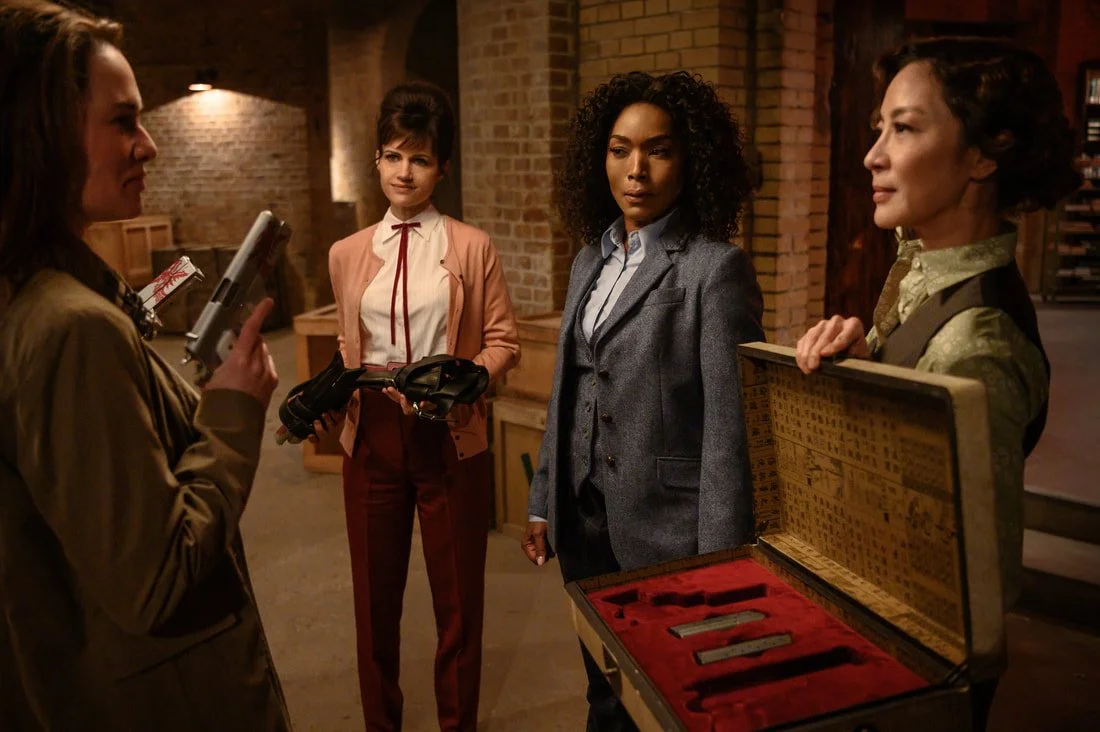
The film leaves behind a lot more “if only’s” than it does admiration or interest in what’s actually unfolding on screen. One missed opportunity is not exploring the potentiality of where the energy could and should have been: Scarlet, or the trio of her former sidekicks-turned-“librarians” Anna May (Bassett), Madeleine (Gugino) and Florence (Yeoh), as the leads. Even with limited screen time and disappointing writing, these characters show far more compelling glimmers than anyone else in the film. Headey’s character is driven off in the opening scene of the film after a tense diner sequence, and takes the intrigue with her. Scarlet has ties to the most intriguing characters: the librarians. At the crossroads of the film, when Sam needs reliable sources of support, she pays a visit to the library for help. She sees a familiar face in Madeleine, who takes her into a majestic-looking hidden headquarters where Anna May and Florence step into frame. There’s a memorable scene when the trio go through Sam’s bag full of weapons while she talks in the background, but they’re far more concentrated on what’s in front of them. It's a great parallel to where the energy of this film perhaps should have gone towards: who are these librarians? Guns and various other weapons hidden in an Austen, a Brontë, a Woolf, and a Christie? A grand door with a stone lion on it that opens with the sound of a lion’s growl? Not only does this library have a stronger sense of place than the world outside of it, but it’s also where the most interesting characters live. To the film’s detriment, it’s also where they stay. Like everyone in this ensemble, Bassett, Gugino, and Yeoh aren’t given much to work with. They each do their best, and have memorable moments in the film with some fun action sequences. Even with stilted dialogue and lacking material, they know exactly how to command the screen. It’s enough to be wistful for more backstory on them and annoyed about these wonderful actresses getting the shaft.
While the story and protagonist leave a lot to be desired, there’s a lot of fun to be had with the milkshake aesthetics and neon-lit action sequences. One sequence in particular makes great use of a bowling alley; another brings out an electric western-style showdown. It’s entertaining to watch these women kick ass and have fun with engaging choreography. The library battle sequence is by far one of the highlights of Gunpowder Milkshake, as it incorporates much of what works best in the film: the most interesting characters, and a decent example of establishing setting. Outside of the library, the sense of place is nowhere to be felt. Where is the diner? Where is this story unfolding? The story feels like it moves from one constructed movie set to another, as though existing in a vacuum. The lack of clarity and specificity is in line with the generic storyline, where the stakes feel low. The score kicks in every now and then as a reminder of where tension ought to be felt.
Gunpowder Milkshake ultimately feels like a storyboard of a film, sprinkled with aesthetically pleasing moments and a talented ensemble but missing the key ingredients for a truly great time. Much of the disappointment lies in a screenplay chasing the energy of bad-ass moments without devoting enough time to the characters or crafting an interesting story to follow. What remains is a mixture of missed opportunities, including an ensemble of actresses whose talents are wasted and whose time on screen is derailed by far less compelling direction. As the story follows its lackluster protagonist to the end, one can’t help but ponder the possibilities of Scarlet and the librarians changing ingredients and leading this film to a far more satisfying place.
‘The Green Knight’ Review
August 1, 2021
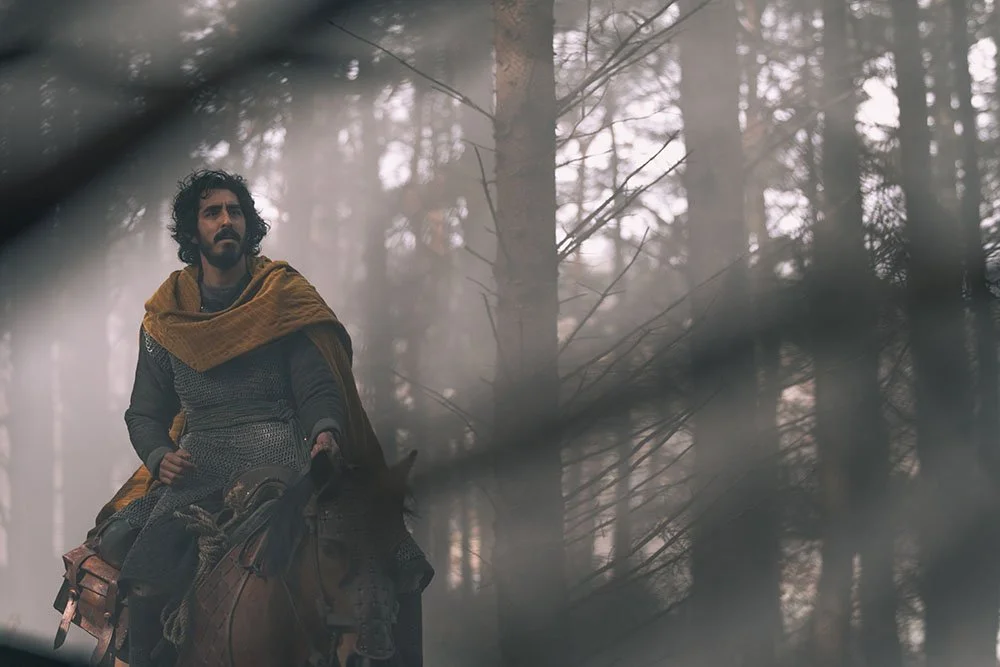
Epic is the first word that comes to mind on first watch of David Lowery’s The Green Knight. The A24-produced film is a medieval tale told in a hypnotic trance. It’s an immersive experience that swirls in thought-provoking ideas and leaves plenty behind to digest. It’s also a deeply challenging experience to watch unfold. The Green Knight feels lightyears away from fully grasping, yet so incredibly intimate and confronting in nature. The story moves in bewitching ways, with mysterious magic reverberating from the screen. It’s a constant wonder where the film is going, which epitomizes the enigmatic quality of Lowery’s storytelling. He has the ability to craft an absorbing world that feels experimental and grounded at the same time. Lowery engages in so many interesting themes, from lust and chivalry to protecting the environment. With poetic symbolism and vivid cinematography, The Green Knight floats like a painting. It’s a complex tale of knighthood that questions how far one would go to uphold such a title and claim its responsibilities (and consequences). In a time when honor is everything and when courage makes kings, a fitting tagline, the protagonist’s desire to prove his worth to his kingdom drives a deep character journey through a medieval fantasy.
Adapted from the 14th-century poem of the same name, The Green Knight follows the Arthurian legend of Sir Gawain (Dev Patel), the headstrong nephew of King Arthur (Sean Harris). After striking a mysterious gigantic tree creature known as The Green Knight (Ralph Ineson) in a sudden duel, Gawain agrees to embark on a quest one year later to confront the Knight, under one condition. The emerald creature is allowed to strike him back in the same manner that he imposed upon it. Does Gawain possess the courage to allow a pre-determined fate bestowed upon him? What will he do when met with mortality? In a test for the ages, Gawain stumbles into a realm of schemers, ghosts, a talking fox, and other mystical entities in his journey to face the ultimate challenger. The film is a stunning meditation on the inevitability of death, as well as how fragile and precious time on earth really is.
Gawain is a fascinating protagonist to lead this journey of self-discovery and defining one’s character in crucial moments. Gawain explores what it means to adopt knighthood; what are the responsibilities and consequences, what does the life of a knight look like, what does strength look like. The film is full of beautiful dreamlike sequences where he’s called upon to define his character. Each new mystical character introduced along the way to the Green Knight gives added depth to Gawain and powerfully reflects his own headspace. Are these characters a manifestation of his self-worth? Are they the visual embodiment of who he thinks a knight must collide with on the path to nobility and chivalry? The romanticism of Gawain’s journey, and the realization he comes to about real courage, is spellbinding to watch unfold. The film swirls in resonating ideas about the price of ambition, and the question of whether one can maintain a good-hearted nature in a lust for success. The final act in particular is a shattering epitome of the difference between playing a part and being true, between wanting the glory of a title and being ready to give oneself up to the mercy of a higher calling.
The character work in The Green Knight is an impressive achievement, not only with the protagonist but also the enigmatic supporting characters he collides with on his journey. The scheming Scavenger (Barry Keoghan) who weasels into frame with dubious curiosity, the regal Lady (Alicia Vikander) and scruffy Lord (Joel Edgerton) who welcome Gawain into their kingdom, Gawain’s Mother (Sarita Choudhury) keeping watchful eye back at Camelot. The Lord and Lady epitomize the more lustful aspects of the film, where a sensual love triangle is formed. In retrospect of watching the film, there is something slightly illusionary about these characters, as though they are being projected from Gawain’s own psyche. In any case, they each represent wildly different paths in Gawain’s quest to reach the Green Knight, one of the more interesting characters in the film. So much about the relationship between Gawain and the Knight brings up a resonating parallel to human beings vs. nature. In this tale, nature strikes back against the damage humans have so brazenly inflicted upon the earth. Gawain is at the mercy of nature, as he is with the inevitability of mortality. All the while tries to hold onto a sense of goodheartedness in his chosen path to knightly success.
David Lowery maintains an incredible sense of curiosity from beginning to end; the story goes to earthy, mysterious places that feel wondrous and unexpected. Gawain’s disillusionment of trying to follow a path to greatness while being at mercy to a higher power is captured so well on screen. The pacing of the film feels like a puzzle, without the frustration of looking to piece everything together all at once. The Green Knight is a beguiling story to follow. There are many interesting moving parts to unpack and digest. The film leaves behind a strong desire to return to this mythical world for more, thanks in large part to the actors Lowery has assembled and the atmosphere that has been so beautifully crafted. With a mighty performance by Dev Patel, the character of Gawain is brought to life so vividly. His curiosity and sheer ambition for honor are such a treat to watch. As well, the ruinous depths his character falls into in the final act of the film are a staggering display of Patel’s talent. His work is a wonderful embodiment of the internalized journey Gawain goes on, from romanticizing his quest to being overwhelmingly humbled by nature.
The supporting cast turn in solid performances and most make a memorable mark, notably Alicia Vikander as Lady and Sean Harris as King Arthur. Most of all, the stunning voice work by Ralph Ineson as the titular Knight. His voice really brings the character to another level and commands the screen. Adding to the enchanting experience of the film are strong mystical characters, from a talking fox and headless ghost to giants in the sky. As well, Daniel Hart’s haunting score which kicks in at the most fitting times, and the absolutely beautiful cinematography by Andrew Droz Palermo. Every frame looks like a painting.
The film is a hypnotizing, striking tale of honor in which there is plenty to unpack and ruminate on. Lowery’s adaptation of a rich text brings magic to the story that feels endlessly full of new discoveries and interpretations. There’s a strangely inviting quality to this film; the story has a magnetic pull and fires on all cylinders. With strong performances, stunning cinematography, and an evocative score, the story comes alive as a fascinating study of character. The Green Knight is an unforgettable psychological tale of medieval times, casting a bold spell and maintaining its enchantment.
‘Materna’ Review
August 10, 2021
“I drink to the ruined house, to the evil of my life, to our loneliness together, and I drink to you.”
This excerpt from Anna Akhmatova’s poem, The Last Toast, suggests overwhelming defeat. A toast to succumbing on a path of loneliness and strained relationships. An abrupt finality of hopes and dreams. The poetry of The Last Toast is a fitting way for writer-director David Gutnik to introduce his feature directorial debut. Materna is a multi-stranded psychological portrait of four women who are experiencing inner turmoil. Making use of an anthology format, their stories are woven together by an incident on the New York City subway. A fateful encounter they all happen to witness puts their futures and all hope of personal transformation at stake. As glimpses of the underground plot cut in and out, the film spends time on each of the four women, strangers to one another but embodying themes that are universal. Their distinct inner worlds and emotional journeys bring some intriguing perspectives to the screen. While the film feels disjointed at times, the actors do the heavy lifting to make this character-driven piece worth the ride as it builds to an unsettling conclusion.
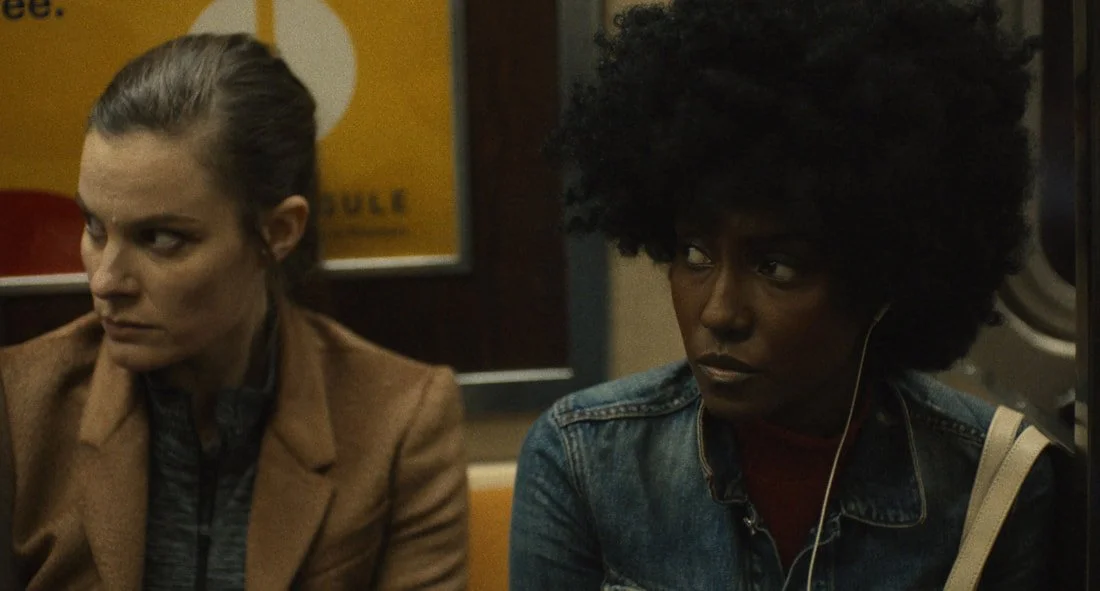
Materna showcases an incredibly talented cast of actors, each of whom personifies various perspectives of self-actualization. Jean, Mona, Ruth, and Perizad lead radically different lives across NYC. Jean (Kate Lyn Sheil) lives alone, works for a visual effects company, and has a complicated relationship with her mother. Mona (Jade Eshete) is a working actor who, feeling the stress from a distant relationship with her mother, channels her emotions into monologues. Ruth (Lindsay Burdge) and her family carry ignorant beliefs and bigotry in a hotbed of conversations over the dining room table. Perizad (Assol Abdullina) returns home after the death of her uncle, and discovers a family truth that her grandmother has kept hidden. The film observes a slice of the women’s worlds before they hop onto the subway. Each slice feels like its own fully realized narrative, shown one after another like a series of short films while the subway plot builds in between. One of the benefits of seeing Materna play out as an anthology is hearing the voices of different performers. Eshete and Abdullina, who are also co-writers on the film, bring so much conviction to their characters and shine as the standouts of the cast.
While the anthology format opens up a world of different perspectives, some stories are naturally more interesting than others. Mona and Perizad’s segments resonate the most, while Jean and Ruth’s segments wear on too long and feel contrived. The separated storylines drag down the pacing of the film as a whole. Each one also works best independently of one another, rather than joined narratively in orbit around the subway incident. As disjointed as the interconnected storylines feel, there are a lot of intriguing ideas at play. One of the constant threads in the film surrounds loss in motherhood, whether it be the loss of a child, the loss of a thriving mother-daughter relationship, the loss of morality and teachings. All the while, characters who appear to be a lost cause are trying to regain hope, even if just for a moment. When Jean has a traumatic experience, she instinctively calls her mother, but can’t bring herself to say anything on the line. When Mona reaches out to her mother, she hopes to finally be met halfway. The title of the film makes an interesting implication that in this story, the feelings typically associated with a mother or being motherly are missing. Instead of focusing on the quintessential adjectives of a maternal relationship (warm, tender, kind nurturing, gentle), Materna explores another side to motherhood that is a difficult and draining reality for many.
The title Materna also evokes a digitized quality and speaks to the over reliance of technology, not only for primary source of communication but as a substitution for face-to-face relationships. Jean and Mona in particular have relationships with their mothers that exist strictly over phone calls and texts. David Gutnik sparks interesting discussion about the solitude that can come with technology, and how digital forms of communication become almost like the final thread that hold long-distance or strained relationships together. In these instances where there’s so much to lose, the weight of every conversation is felt so deeply. The film really gives all the actors space to bring the characters to life for a brief moment in time. Materna is a character-driven drama about the spaces between words; what’s left unsaid between people, the frustration of not being met halfway, the difficulty of revealing true selves, how loss shapes the dynamic of relationships. There’s a stunning scene in Perizad’s storyline, where three generations of women are linked arm in arm as they share in an emotional moment without saying a word. For the most part, the actors certainly do the heavy lifting in the film; the intertwining stories would fall apart without the nuance of their performances.
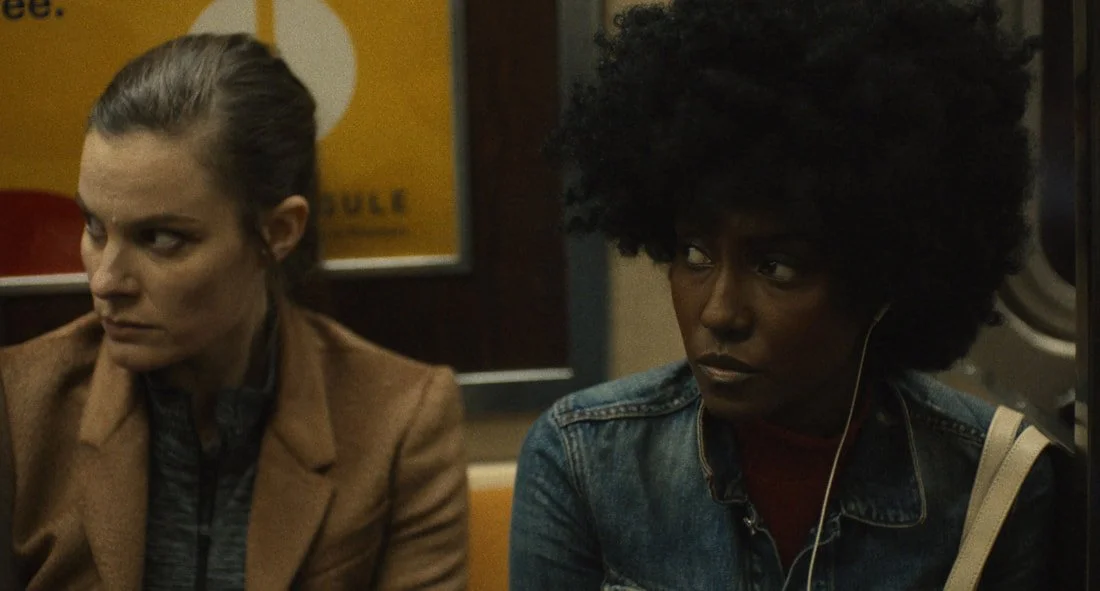
Beyond the four women’s stories is a recurring plot that takes place on the NYC subway, where a man harasses some of them directly and creates an increasingly hostile environment. There are mixed emotions in watching their stories framed around the actions of this man. While the intertwining narratives don’t fully click together, again there are a lot of interesting ideas at play underneath it all. The man on the subway embodies an essentially one-note performance, whose every moment in frame is spent interjecting and invading women’s personal space. It’s a thoughtful reflection of how women’s experiences and thoughts are so often undermined by men who assert dominance. The subway setting is a strong embodiment particularly of women who are carrying the complexities of their worlds, while also being women on the subway: subjected to relentless harassment by men.
Materna explores interesting themes through the lens of different perspectives, and makes good use of setting. Beyond the interconnectedness of the subway, the film explores people’s personal spaces and how they navigate them when no one else is around. What do they feel comfortable doing in the privacy of their homes, and how does that facilitate a sense of loneliness? The contrast between facing personal challenges and pulling one’s self together in public is a distinct feeling that the film captures well. Materna delves into psychological portraits, some far more resonating than others, about strained family matters and personal growth. While the buildup on the subway leads to an underwhelming conclusion, this feature directorial debut shows promise as a solid character-driven story.
‘CODA’ Review
August 11, 2021
Get a box of tissues ready for writer-director Sian Heder’s heartwarming film CODA, a coming-of-age story full of lived-in family dynamics that aren’t often represented on screen. Based on the 2014 French film The Bélier Family, CODA instantly improves upon its source of narrative inspiration by casting Deaf actors (including Marlee Matlin, Troy Kotsur, and Daniel Durant) in the roles of Deaf characters. Heder portrays the Deaf community with rich emotional journeys and a broad range of traits, championing their perspectives in a compassionate way. At the core of this film is the love language of a family, specifically the Rossi’s and all the qualities that make them who they are. CODA is a thoughtful, impeccably acted journey about the intimacy of family connections.
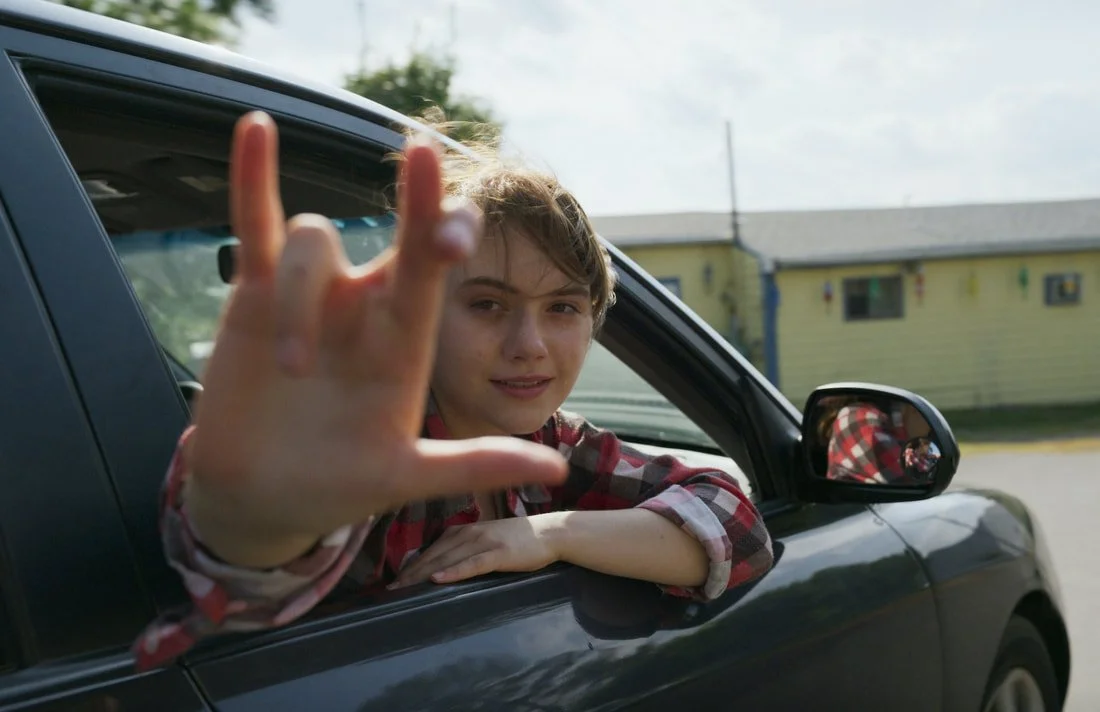
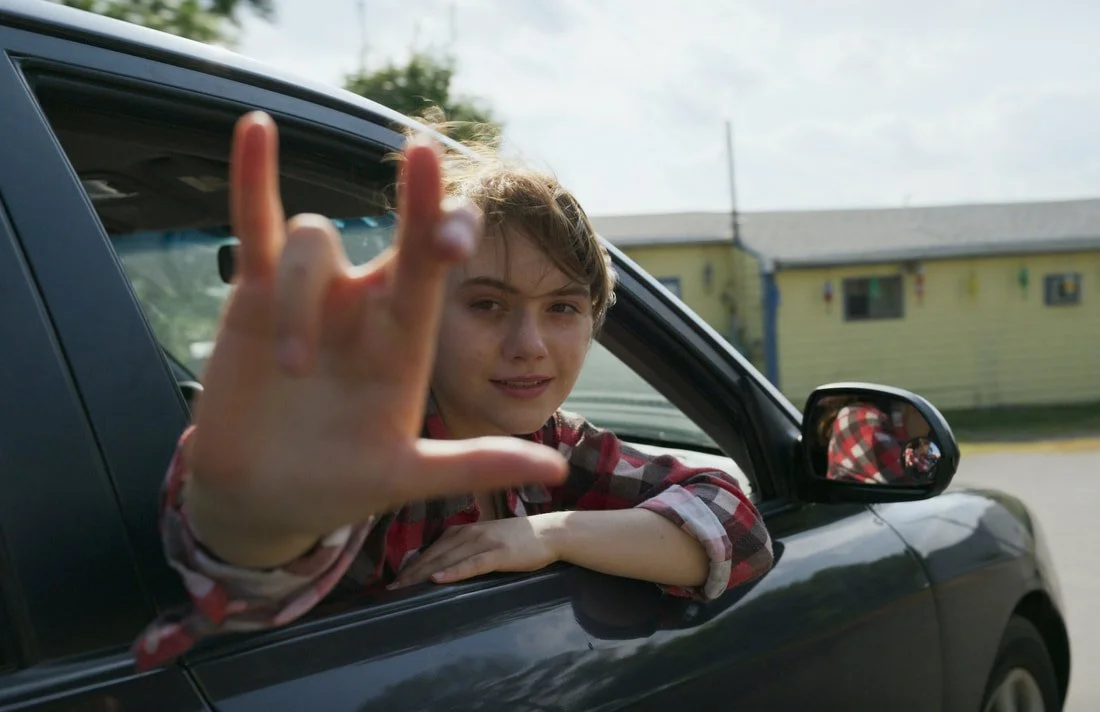
Set in the blue-collar fishermen world in Cambridge, Massachusetts, CODA incorporates elements shared and not shared between the hearing and the Deaf community. The story follows Ruby Rossi (Emilia Jones), a child of Deaf adults who is the only hearing person in her home. She wakes up early every morning to catch fish with her father Frank (Troy Kotsur) and brother Leo (Daniel Durant). She goes to school, hangs out with her friend Gertie (Amy Forsyth), has a crush on Miles (Ferdia Walsh-Peelo), and on a spur of the moment joins the choir. Music is Ruby’s lifeline. Whether she’s singing along to songs on her family’s boat, adding a soundtrack to her bike ride, or making use of the record player in her bedroom, music is around in resonating little details. In a sea of pretty voices with nothing to say, Ruby’s music teacher Mr. V, formally Bernardo Villalobos (Eugenio Derbez), spots her real talent. She has a lot to convey, and does so with a stunning singing voice. Mr. V urges her to perform a duet with Miles and audition for a prestigious music school in Boston. Her passion for singing is something her parents, including mother Jackie (Marlee Matlin), are trying to connect with. Then when the family’s business is threatened, Ruby finds herself torn between family obligations and her dedication to music.
Ruby is a refreshingly written character in the canon of formulaic coming-of-age films. The push-pull dynamic between following her passion and being present to support her parents is rooted in sincerity. Rather than antagonize her family and create a one-note narrative, CODA explores the grey areas in creating an identity apart from one’s family. The film focuses on the stage of Ruby’s life where, for the first time, she’s on the cusp of doing something without her family. All the complex emotions that come with this responsibility are conveyed with ease by Emilia Jones. She does a remarkable job carrying the film and giving a window into the soul of her character, who has a lot on her shoulders as an interpreter. Ruby’s family count on her to voice what they sign for the hearing world, a world that is not often facilitative of Deaf culture. The film gives a voice to many perspectives from the family; not only Ruby who feels that her stuff is important too, but also Leo for instance, who stresses he’s capable of navigating the hearing world without her. He wants the family to finally be part of their community, and sees the potential of starting their own fishing business as a great opportunity to interact with others.
Sian Heder writes complex, well developed characters full of personality and disposition. The actors add an incredible depth to the Rossi family; each of their performances are lived-in and rich in detail. Simply watching the family interact with one another is an integral part of what makes the film so charming. It’s an instantly feel-good story that invites a wholesome look into how the Rossi family communicate with each other, the warmth of their home life, and how this setting facilitates a sense of togetherness where they’ve become such a tight-knit unit. The stories that happen inside Deaf people's homes are missing from representation in film and television. So often, Deaf characters are solely defined by being Deaf, and their narratives are not centered. It’s wonderful to see a film that is pushing for authenticity on screen. Also watching how Frank, Jackie, and Leo navigate the hearing world is equally compelling, as Heder shines a light on many of the ways in which this world is not inclusive of Deaf culture. There is both a specificity and universality to how the family are depicted.
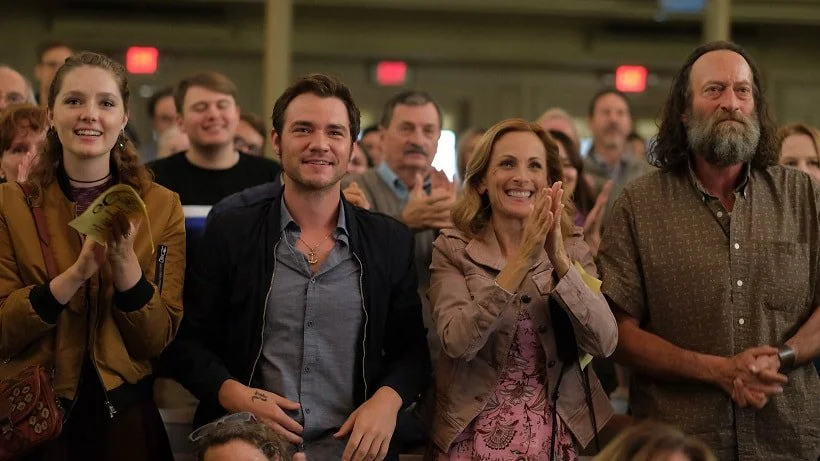
Adding to the lived-in quality of these characters is an outstanding ensemble of actors who deliver such resonating performances. Everyone in the Rossi family has their moment to truly shine and provide a window into their characters’ interior lives. Troy Kotsur in particular is an incredibly expressive actor, and he has some of the most moving scenes in the story as Ruby’s father Frank. He has a stunning moment with Emilia Jones towards the end of the film where, having returned home after a school concert, Frank gently holds Ruby’s neck to feel the reverberations of her vocals as she sings to him personally. Emotional moments such as this, sprinkled throughout the film, convey how CODA is less about a musical journey and more about a family understanding each other. The intimacy of Frank sitting with his daughter, in an embrace as he tries to understand her passion, comes from a genuine place and that is what makes the film so emotionally resonating. Speaking of loving embraces, Jackie shares a similar scene with Ruby in terms of finding a way to connect. As Jackie sits on her daughter’s bed, thinking about the day she was born and revealing initial worry that they wouldn’t connect, so much is said about these characters. Sian Heder finds gems of moments in vulnerable, intimate, comforting places, and the actors go on this search with her. Marlee Matlin gives a fantastic performance, so full of energy and longing. Daniel Durant is also great as Ruby’s brother Leo; he too gets a resonating moment to shine. Durant strongly conveys the frustration bubbling underneath the surface about how Ruby’s hesitance to follow her dreams has an effect on the family. CODA has a stellar ensemble of actors beyond the Rossi family, from Eugenio Derbez and Ferdia Walsh-Peelo to Amy Forsyth, all of whom are entertaining to watch.
The coming-of-age genre is riddled with cliches and trappings that plenty of films fall into. While CODA feels a little formulaic at times, setting up the story to reach certain emotional heights, Sian Heder does a great job subverting a lot of expectations. Music is an integral part of the story; the soundtrack is lovely, as is Emilia Jones’ singing voice, especially in her big audition scene with Joni Mitchell's 'Both Sides Now'. Music also doesn’t command the focus. At the core of CODA is a family; how do they communicate, how do they connect or not connect, how do they share or not share in each other’s experiences. Rather than relegate the protagonist’s family to cheer from the sidelines, they are actively involved in the story. Ruby and Miles’ duet for their school concert is a winning example; this scene could have easily become Ruby’s star moment. Heder re-centers the focus onto Frank and Jackie sitting in the audience; how are they experiencing the concert. How do they navigate the space of a hearing community and find a connection with their daughter on stage? Whether it’s this scene, or an emotional final act that brings on the heavy sobs, all these moments emphasize the Rossi family’s love language as the beating heart of the film.
CODA is full of heart. It’s an uplifting story about family obligations and following your own path while wrestling with the guilt of being away from your family, particularly for the first time. Sian Heder’s winning screenplay, and an outstanding ensemble of actors who lift her words off the page, is a love letter to family. The film gives an immersive window into the Rossi home and all the details that make up their tight-knit dynamics. Right down to the set design details and the creation of an overall home that looks lived-in, everything feels rooted in depictions that feel passionately true. Moving and impeccably acted, CODA makes a reverberating impact as a thoughtful piece of work.
CODA will be released on Apple TV+ starting August 13th.
‘Ma Belle, My Beauty’ Review
August 25, 2021
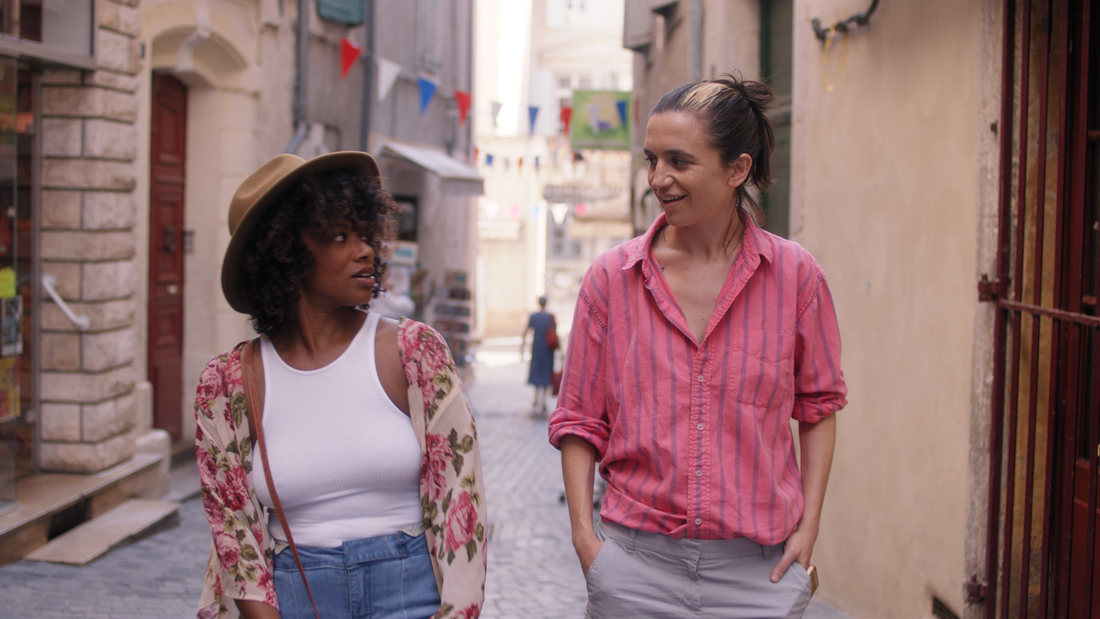
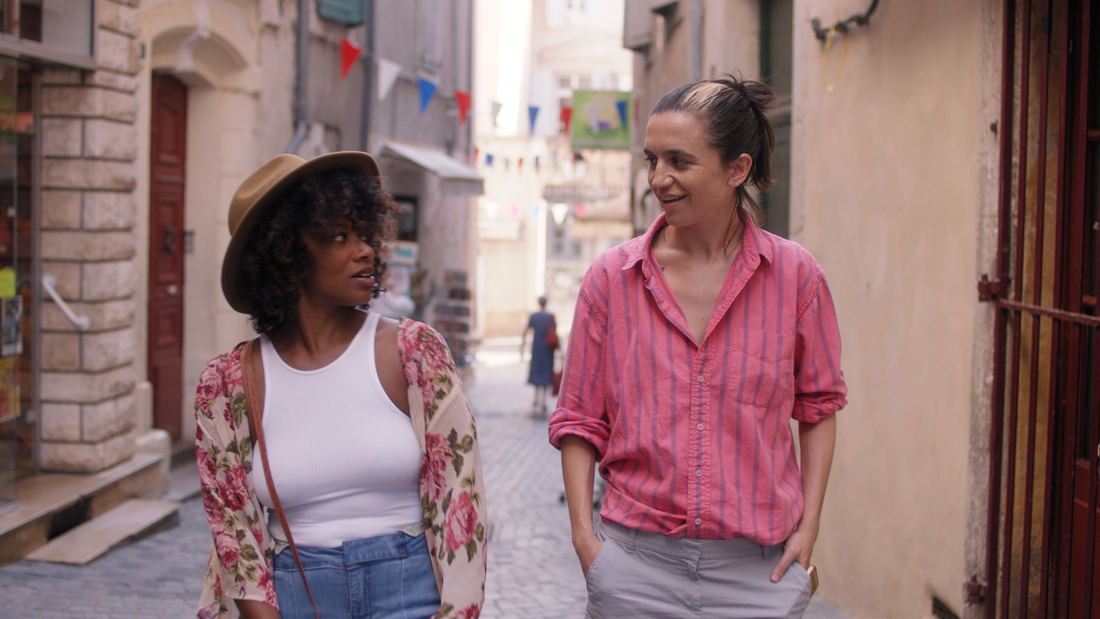
Time. It’s the one thing we can’t make more of. When the passing of time is truly felt, the response can be incredibly emotional…full of longing. Mourning missed opportunities. The longing for a meaningful, everlasting human connection takes on different manifestations in Ma Belle, My Beauty. The debut feature film, written and directed by New Orleans filmmaker Marion Hill, explores the residue of a break up in a queer polymerous relationship. Bertie (Idella Johnson) and Lane (Hannah Pepper) used to live together in New Orleans. After a falling out, Lane disappeared for two years. Bertie got married to their shared partner Fred (Lucien Guignard) and moved to the South of France, where the film is set. Out of the blue, upon Fred’s invite and unbeknownst to Bertie, Lane shows up at their beautiful villa with a front row view to the couple’s fancy new musical life. Bertie is in a rut, creatively and personally. Now with Lane back in the picture, Fred hopes the spark they once shared can reignite her passion as a performer.
Amidst the al fresco dinners and breezy summer vibes is a complicated surprise reunion. Marion Hill captures romantic tension well. She shows the ease with which passionate feelings can be reignited from a single look or a meeting. Ma Belle, My Beauty unearths the emotional baggage of a once hopeful, promising relationship. So much of the film is about yearning. Bertie and Lane, presently on two completely different tracks in life, navigate through the aftermath of a relationship. Pining glances, rekindled admiration, bottled up confusion, and tense conversations map out the fact that these characters have a history. But where the film loses its compelling ingredient is in actually creating and fleshing out a history for the characters. While there are intriguing themes at play about longing for what was lost, not enough time is given to establishing who Bertie and Lane are beyond the relationship that ties them together. Bertie in particular is often trying to carve out her own path, instead of being whoever everyone else wants her to be. Everyone around her seems to want a piece, and the film skirts over crafting a well developed character that shows more insight into her individuality. There are plenty of enigmatic glances with the promise of an elaboration that never really arrives.
The more Hill’s story stretches out, the more emotional investment wanes and the cracks in a promising foundation begin to appear. Longing manifests in different ways; there’s Bertie, who doesn’t feel happy in the situation she’s in. She carries understandable frustration from essentially being ghosted by her partner. She has an intriguing scene with Lane on the conversation of happiness not being tied to her, nor Fred. But there’s a missed opportunity in not delving further into Bertie’s point of view; wonderful as Idella Johnson is playing Bertie, both acting and singing-wise, her character feels underwritten and often in service of other characters. Then there’s Lane, single and reminiscing on the reasons why. She carries a pang of regret from leaving and not keeping in touch with Bertie, thus missing out on life events she otherwise would have been there for. A crucial space the film doesn’t fill is the exploration of Lane leaving; it becomes the source to which the protagonists often return when they find moments of connecting with their past. The film relies a lot on what’s left unsaid between two people, and how this often manifests through physical yearning. Though what’s left unsaid doesn’t always provide an insightful or compelling window into who the characters are. Johnson, along with Hannah Pepper who plays Lane, bring great subtlety and quiet moments of contemplation to life. But their performances ultimately feel inhibited by a screenplay working often on brisk presumptions.
The carefree quality that works to the film’s disadvantage is also what makes it refreshing in other respects. There’s a lightheartedness in Marion Hill’s approach to the story and atmosphere. Ma Belle, My Beauty captures the breezy feeling of summertime. Lauren Guiteras’ cinematography gives a beautiful glow to the film. The soundtrack evokes an easygoing atmosphere, perhaps a little too much in this direction given the dramatic climax that Hill tries to go for. While uneven in direction at times, Hill strongly conveys the feeling of throwing caution to the wind. So much of the film operates on physicality, whether it’s fleeting glances or moments of intimacy. A lot is happening on the surface, without really delving into detail about reasoning. Hill strikes a strong parallel to the character of Lane, described by Bertie as the type of person who will enter someone’s life, mess things up, and leave behind remnants of emotional baggage. Without worrying about the effects her leaving would have on Bertie’s wellbeing, Lane fuels a sense of tension. The space between them only intensifies with the passing of time, and what comes with it is the loss that they’ll never get that time back.
Ma Belle, My Beauty explores the ease with which two people can go in totally different directions when there’s been a distance between them, both physically and emotionally. There’s a refreshing aspect to the way Hill maps out the story, that she doesn’t provide a bowtie ending where all hope is restored and the stars align again. Instead, she poses the question of whether the stars were aligned in the first place. The protagonists can’t simply pick up where they left off, which makes for a potentially interesting narrative that doesn’t get to really soar. So much of the film is spent wondering about the characters’ intentions and finding a way to get to know them better. Left behind is the longing to spend more time with them.
‘Yakuza Princess’ Review
August 30, 2021
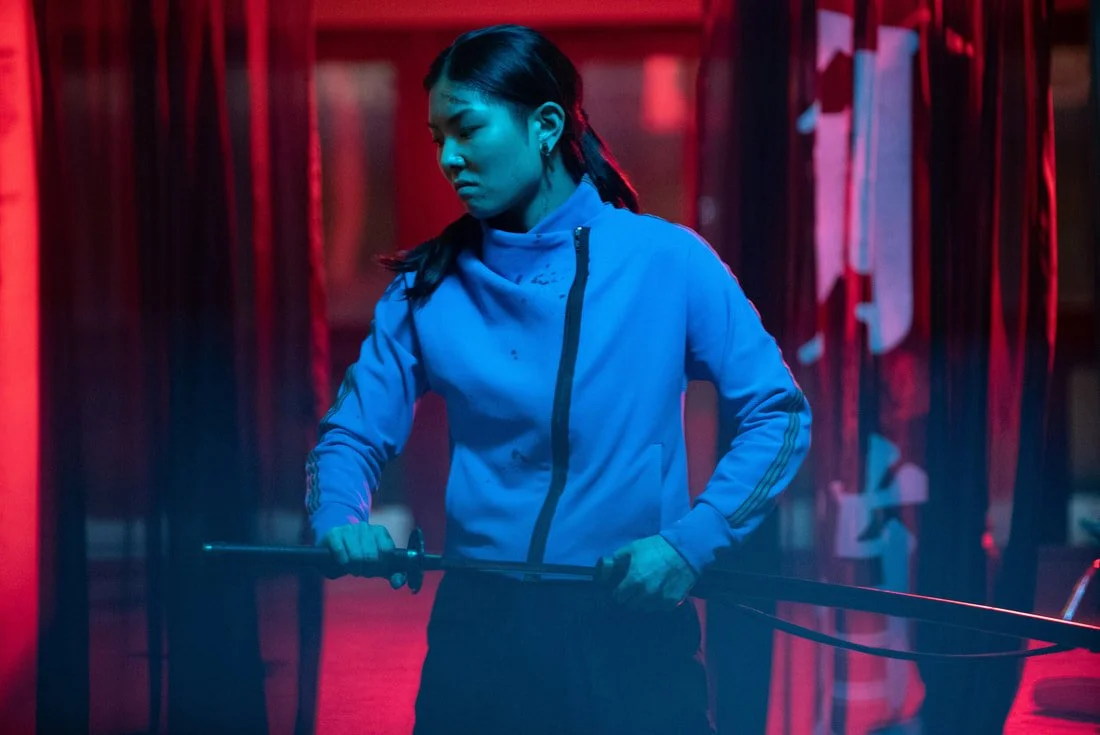
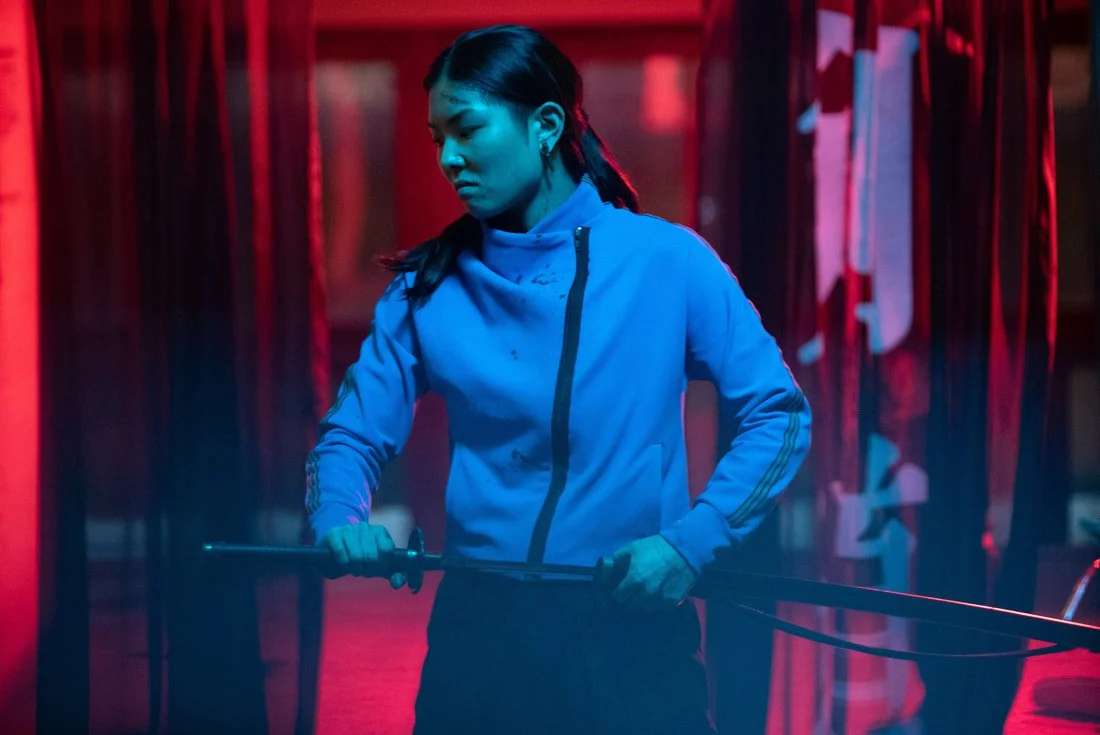
The Muramasa is a cursed, mysterious samurai sword. The spirits of all those slain by the Muramasa dwell in the weapon, waiting for the next victim to feast on their blood. When wielded, the sword transforms characters into killing machines. It’s an ancient rarity, a curse that imprisons souls and forges interconnected fates. As the tagline of Yakuza Princess goes, every sword has a story, and this film tells one of self-discovery in the hope of belonging somewhere. The film follows Akemi (MASUMI), who lives an unassuming life in São Paulo, Brazil. As the sole survivor of a family massacre in Osaka, in which she lost her grandfather, she finds protection in the form of martial arts training. Akemi’s teacher is a fatherly figure to her, parting words of wisdom to encourage her independence and growth. Suddenly, her world is thrown upside down when mysterious Japanese gangsters are out for her blood. In her search for why she’s being chased, Akemi uncovers a dark family secret and the power of Muramasa, which holds the key to illuminating answers about her grandfather’s death. The story is promising: in the protagonist’s journey through her family’s past, in the veiled intentions of mysterious characters, in the supernatural aura the sword carries, in the neon-lit visuals and action sequences. Yet, the experience of watching the film is surprisingly dull. Far duller than one can imagine from the potentiality of the story. Despite having a promising protagonist, Yakuza Princess is often weighed down by stiff character development, muddled storylines, and unfocused direction.
Directed by Vicente Amorim and based on the graphic novel Samurai Shirô by Danilo Beyrouth, Yakuza Princess has elements of fantasy weaved inside a neo-noir reality. The blend of genres is one of the more effective parts of the film. In the neighborhood of São Paulo, the largest Japanese diaspora in the world, Akemi settles temporarily. She works at a knick-knack store, longing for a change, pondering a move back to Japan, and thinking there has to be more out of life. A connection to the Yakuza crime syndicate and its relentless lieutenants is not what she had in mind. The presence of the Japanese mob, and the introduction to an amnesiac stranger Shirô (Jonathan Rhys Meyers) also tied to the Muramasa in another part of the neighborhood, carries the film down a violent rabbit hole of mysterious intentions and questionable loyalty.
Akemi stumbles on a dubious alliance with Shirô, who appears protective but he doesn’t remember who he is. All he’s told when he awakes from a hospital bed is he had been found with a sword. The meaning of the Muramasa sword drives both characters’ quests in different ways. But his quest is far less interesting, and the film spends a destructive amount of time with him. Not helping matters is a choppy performance by Rhys Meyers, who doesn’t bring much spark to his character. Far more compelling, though not without flaws, is Akemi's journey of self-discovery. The feeling of wanting to count for something and come from somewhere holds a universal power. Also interestingly at play is the role of destiny and its dark side. Caught up a nightmare of someone else’s doing, Akemi is living the consequences of a past that does not belong to her… a past she is being haunted by. The puzzle pieces of her grandfather’s death are imprinted within her. It is the sudden brush with the crime syndicate, led by lieutenant Takeshi (Tsuyoshi Ihara), that illuminates her search for answers.
In the switch between storylines, from Akemi to Shirô and the crime syndicate after them both, the film loses a clear focus and the emotional connection falls flat. The character development isn’t strong enough to weather the shifts from one perspective to another. The film has an intriguing protagonist at the center whose point of view gets sidetracked far too often. In a time when Akemi is searching for her purpose in life, she is caught in a dangerous web, through which she realizes the power within herself to break free from a path that is not hers and create a new path for herself. The film sets up for some emotional moments, but without the building blocks for strong characterization, these scenes deflate on impact. Left behind is a glimmer of promise for what could have been more resonating. One particular moment being the ending, a powerful badass moment for Akemi that should have packed a much bigger punch. While a lot of dialogue feels stilted, MASUMI still delivers a solid performance that helps carry along a film in which a lot of characters are putting on an act. Sometimes this works well, as in the case of Tsuyoshi Ihara’s performance, but for others such as Rhys Meyers, what is meant to be subtly hidden is confusing instead.
The consistency of Yakuza Princess is within the action choreography and neon visuals. The interplay of neon lights and darkness makes for some stunning scenes. Gustavo Hadba’s cinematography beautifully illuminates elements of a darkened frame. There’s also a great element of neo-noir manifested in the form of stylized sets; the film paints a moody setting and leads one down the path where danger is always felt from around the corner. Fast-moving and stylish, with a strong sense of setting, the fight sequences are the moments that inject spark back into an otherwise dull film. Vicente Amorim does not hold back on the violence and gore. These moments carry so much of the energy, leaving an imbalance with the dialogue and characterization. There’s a heaviness to the pacing of the story, and an inconsistency in the direction, that weighs the film down.
The majority of Akemi’s journey in Yakuza Princess sees her follow her grandfather’s footsteps. Who did he know? Which places did he visit before his death? As much as her grandfather wanted to bury his past, the past will still come knocking to the sole survivor of his immediate family. There is a missed opportunity in not establishing a clear focus with Akemi and staying with her perspective throughout the film. When she discovers the Muramasa, the power is literally back in her hands to break from a haunted past and forge a path of her own, separate from the dangerous ties that chase her. Yakuza Princess has promise in the protagonist’s journey and the connection it holds with the ancient sword, but ultimately gets lost in a collection of uninteresting characters and dull storytelling.

TIFF 2021: ‘Silent Land’ Review

September 10, 2021
This review contains spoilers.
“It’s broken.” The first line uttered in Aga Woszczynska’s stirring feature debut, Silent Land, holds a clear mirror to a Polish couple’s disintegrating relationship. As the film opens, Anna (Agnieszka Zulewska) and Adam (Dobromir Dymecki) float into the frames of a beautiful holiday rental in Italy. They meddle with household fixtures that need repairing, as though these items have the audacity not to work perfectly for their idyllic vacation. Beyond their temporary interior villa is a bigger problem: the garden swimming pool is empty, and they’ve paid for a house with a pool. Despite the island struggling with drought, Anna and Adam insist their Italian host hire a worker to repair the situation. All the while, the sound of the sea and its picturesque setting fill a backdrop. With confident direction, Woszczynska paints a picture of eerie stillness. Quiet moments of the couple introduce a feeling of serenity, but the more Silent Land lingers on calmness, the clearer it becomes that Woszczynska is summoning a sense of dread. As Anna and Adam wait precisely for the pool repairman to fix a problem they’ve taken so personally, the waves of the sea crash in the distance. Silent Land is a powerfully observed drama of a relationship’s unpredictable nature and unsettling instincts.
The effectiveness of a steady buildup is on full force in Silent Land. Amidst the feeling that unpleasantness is around the corner, the story plays on ambiguity and strikes without heavy warning. But signs are stitched in the moments left unspoken. The quietest moments of Woszczynska’s feature debut are often the loudest, and the ones that leave the most behind to ruminate on. Silent Land exposes the worn out threads of a couple’s seemingly idyllic foundation, and how a single incident unravels their moral compasses. Anna and Adam paint an ambiguous picture of their intentionality from the start; it is through their interactions with others that the couple are faced with each other’s true colours. The most revealing of interactions lies between the two of them and the pool worker Rahim (Ibrahim Keshk). The way in which his character is treated on screen is an unsettling reflection of how the couple sees him: as a nuisance, a threat, a violation of their tranquility.
Though not outwardly spoken, the director and actors convey strong emotions in subtle moments. Whether it be Adam setting an alarm before leaving the house, or Anna making no effort to address the language barrier when Rahim is looking for a hose to fill the pool. There is no real introduction between these characters, just a silent expectation that he is there to do a job, and simply does not exist to them beyond that role. The overall dismissal of him simmers, and creates an emotional punch in the gut after watching him suffer from a poolside accident while the couple are nowhere to be seen. The suddenness of it, the wave of sadness from not getting a chance to know the character, and the anger from blatant nonchalance surrounding the entire incident is deeply unsettling. Dobromir Dymecki and Agnieszka Zulewska play the couple with such stacked layers of self-protectiveness and self-absorption, it’s a wonder if they are even aware of what has happened when the camera cuts to them post-incident. It’s a wonder if they are being honest about what they have seen or heard. Woszczynska maintains a well-paced buildup to this moment, and spends the rest of the film uncovering the fragility of their behaviours.
Interesting parallels between character psyches and settings are drawn in the screenplay, co-written by Woszczynska and Piotr Litwin. The house setting of Silent Land holds a compelling mirror to the couple’s emotional dysfunctions that dwell inside. The house falls apart in ways that appear mundane on the surface, but become almost fateful and betraying later on in the film. The recurring problem with closing the blinds to their windows is a neat parallel, particularly post-incident when the couple can’t shut out their consciences. Woszczynska plays broken house to dark humorous effect at times; as seen in a long sequence of the couple’s gate not opening/closing when they want it to. This house, tucked away and designed as a vacation from reality, isn’t the paradise they expect. Nor does it leave their personal dysfunctions and tensions outside the door. Most interesting about the house is what does end up working: the irony that once the pool is up and running, as per the couple’s request, neither of them step foot inside. Showing their unwillingness to immerse in the truth of their emotions, they would rather drop the entire incident out of veiled comfort and a false sense of security. The film makes strong use of setting as a way of mapping out how the protagonists process their irrational, often insanely unlikeable ways of thinking.
There is a precise look to every frame of this film; with pristine cinematography by Bartosz Swiniarski. So precise and cultivated to the point where all it takes is one single disturbance to shatter the foundation. From that point on, the house becomes unrecognizable in spirit. The characters’ perpetual interrupted bliss makes it so they can never go back to how they were. Woszczynska tells a stirring story of fragility…in relationships, in morality, in deciphering what courses of action to take when met with unpredictability. Much of the story’s conflict comes from watching Anna and Adam address each other’s instincts, with questions of why one said this and why the other said that. The frustration from not having an answer to give is palpable on screen, and drives both characters to a point of unexpected emotional release. Dymecki and Zulewska do a great job conveying how desperately their characters hold onto the idea of security as an outward display. One can cut the tension between them with a knife, but they push through. They drive each other away and make room to return, step and repeat. Regardless of what’s going on, until the bitter end, they consider it more important to act as a united front. It’s a way of thinking that absolves them from wrongdoing, which creates an unsettling experience watching them reassure their way to faux bliss.
In one of the moments where Adam storms off from Anna, he reaches a point of emotional release. Jumping into the sea, laughing his way through the tension that has enveloped their vacation in an ominous postcard. He returns home, wearing the debris of a rocky cliff. As a storm rages on outside the house, one is roaring just as loudly at their dinner table. They cut tension with a knife and wash down their guilt with a glass of red wine. As Aga Woszczynska has so precisely shown throughout her feature debut, the moments of silence speak the loudest volumes and leave behind the most to ruminate on. Making its case for one of the most haunting conclusions of a film this year, Silent Land offers the protagonists no true escape from the noise of their inner voices, no matter how united they appear for dinner.
Silent Land had its premiere on September 10th at the Toronto International Film Festival. TIFF21 runs September 9-18, 2021.
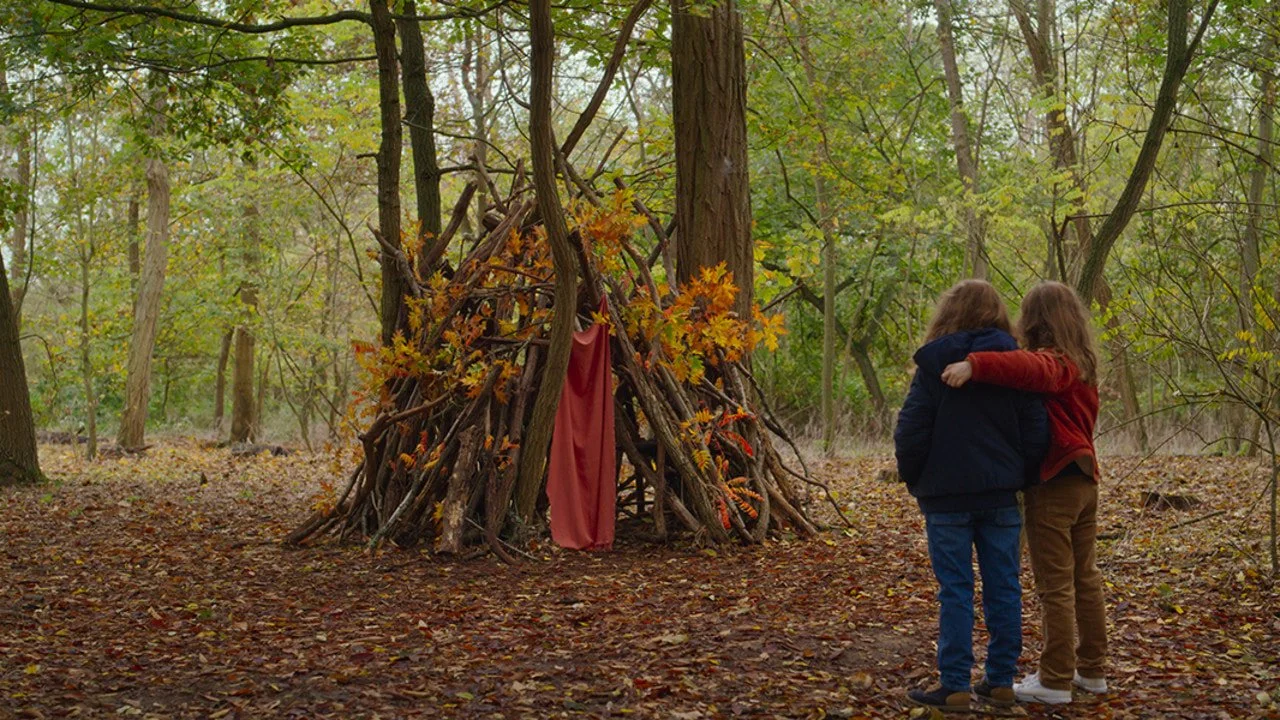
TIFF 2021: ‘Petite Maman’ Review
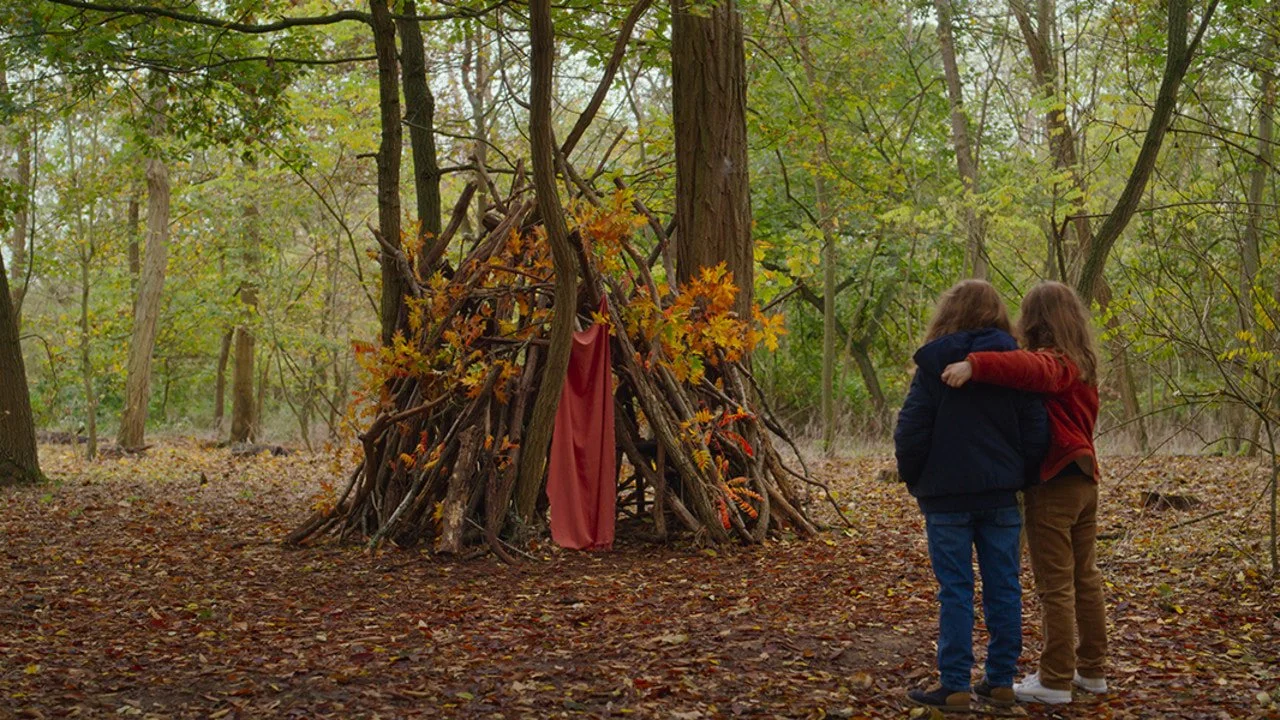
September 11, 2021
Céline Sciamma knows how to pack a punch of emotion in each and every frame. From her coming-of-age drama Girlhood to the hypnotic, smoldering Portrait of a Lady on Fire, Sciamma always finds a delicate way to leave a reverberating impression. Her latest film Petite Maman is a subdued gem of a story. Following a girl’s visit to her mother’s childhood home, the story is told from the perspective of Nelly (Joséphine Sanz). Having just lost her grandmother, and while her parents clear out the home, Nelly is often left to find engagement in her own little world. Therein lies an enchanting realm where she encounters Marion (Gabrielle Sanz), a girl her age and to whom she strongly resembles. A friendship is born as the two build a hut in the woods, play make-believe, and simply enjoy each other’s company. The more conversations they share, personal revelations begin to blur the lines between past and present tense. Packing a punch with a fleeting runtime, Petite Maman is a bittersweet experience in which every minute is precious for its characters. As magical as it is melancholy, Sciamma’s story speaks to the delicate threads embedded on the path from childhood to adulthood.
Petite Maman radiates warmth in a cool autumn breeze. In capturing the season and its simple pleasures, like the changing leaves or the comfort of a knit sweater, Sciamma beautifully conveys the emotion behind such pleasures. Autumn is a time of change; new beginnings are on the horizon, and stuff of the past get left behind. The emotional response to change can often be nostalgic, and Petite Maman has that wistful affection. Told from a child’s point of view, the film feels like a wondrous tale that speaks delicately about emotions that are difficult to put into words. Or magical trains of thought that a person may not have another soul to share with. One of the most resonating lines in the film talks of secrets; not all are deliberately hidden, there’s just no one to tell them to. The pang of loneliness that moves through each character manifests on such subtle levels elevated by remarkable performances. Joséphine Sanz and Gabrielle Sanz deliver such memorable, joyous work that lay at the core of the film. Lingering as well are the gorgeously detailed cinematography by Claire Mathon, and affecting music by Jean-Baptiste de Laubier that hits at all the best moments.
Sciamma’s talents are a perfect match for finding the sweet spot between joy and sadness. Nelly’s mother (Nina Meurisse) is going through a rough time, having just lost her mother/Nelly’s grandmother (Margot Abascal), which emotionally brings her back to when the two of them were distant. The act of clearing her house opens a window to the moments when those spaces were both empty and full. What this film does exceptionally well is convey the powerful sentiment of activities that seem so simple on the surface. Petite Maman is a treasure chest of memories old and new. Sciamma treads the line seamlessly between the past, the present, and the future. Nelly comes from the path behind Marion, and so forth, which the film conveys through minimal heartfelt dialogue. The story traces the beauty and loss of a mother-daughter relationship. Harkening to the wistfulness of wanting to know more about my own mother, and not being able to converse with my late grandmother. Suddenly, children get older, and with that comes wisdom but also a touch of sadness from not knowing then what you know now. Petite Maman takes a nostalgic path, where intergenerational pebbles are left behind as stepping stones for another family member to follow. This gentle tale of women’s connections, through the motions of time, is another absolute winner from Céline Sciamma.
Petite Maman had its premiere on September 9th at the Toronto International Film Festival. TIFF21 runs September 9-18, 2021.
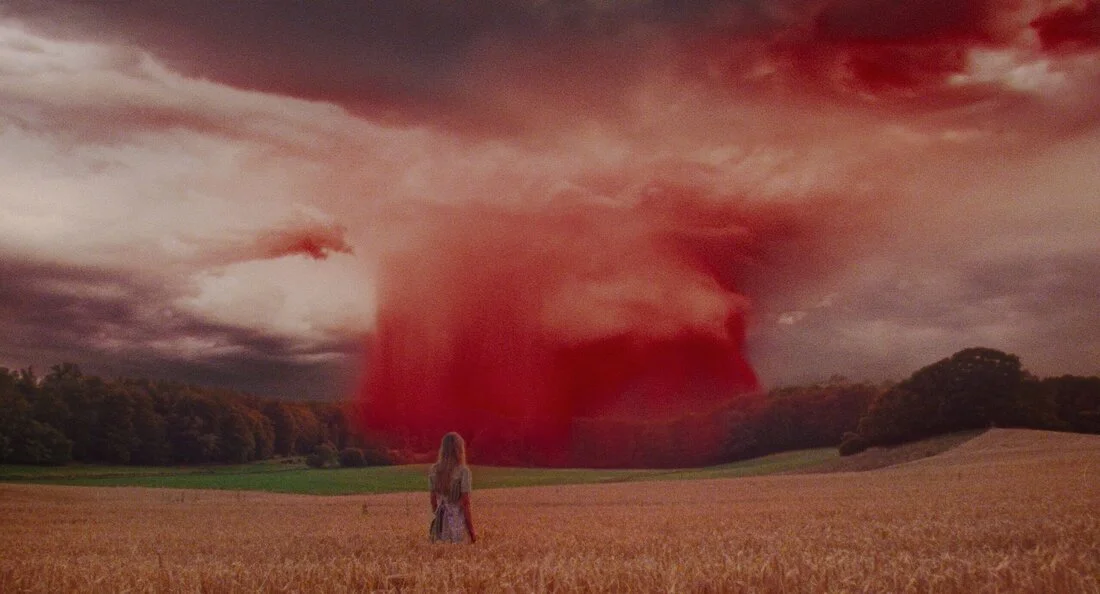
TIFF 2021: ‘As In Heaven’ Review
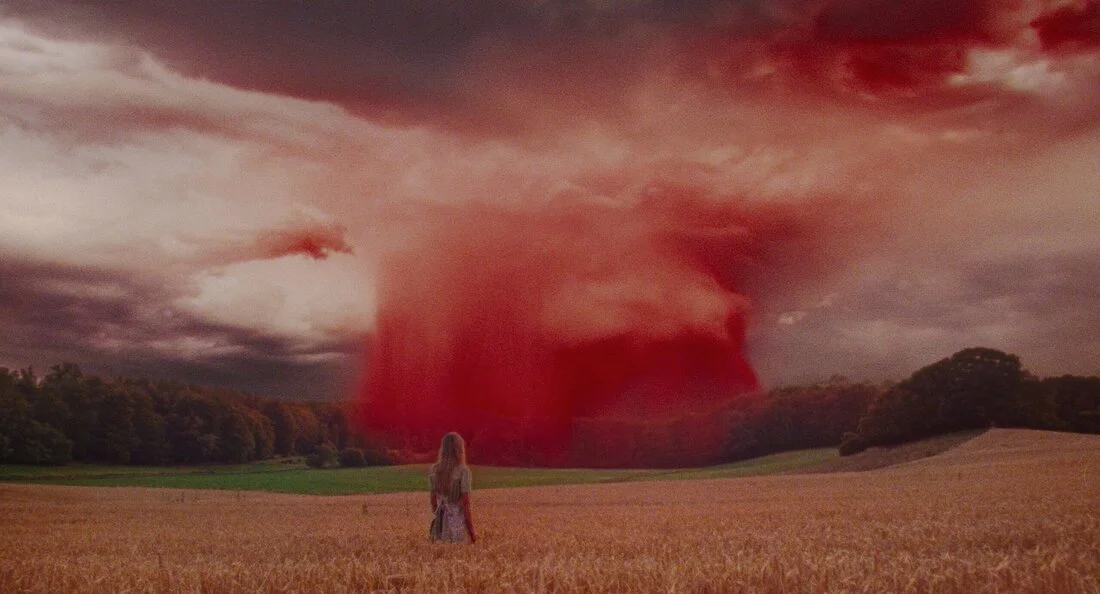
September 12, 2021
When daring to envision a brighter future ahead, wishing and hoping for all the glorious things that could be, so often the response that brings one back down to earth is “it’s just a dream.” Is a dream really just a dream? Lise (Flora Ofelia Hofmann Lindahl) has an exciting prospect to look forward to: in a family of eight younger siblings, she will be the first to attend school. Lise has in front of her an image that she wants to create. On the verge of womanhood, she is starting to leave pieces of childhood behind for a brand new experience out in the world. That she’s facing such a big realm of possibility gives her the feeling of power, as though she can control anything that comes her way. But when her pregnant mother Anna (Ida Cæcilie Rasmussen) is in difficult labor and has a vivid vision that threatens livelihood, Lise discovers a much greater power in her path: fate. Inspired by Marie Bregendahl’s classic novel ‘A Night of Death’, writer-director Tea Lindeburg tells a resonating story of late-nineteenth-century superstition in the visually stunning debut feature As In Heaven.
Set on a wistful rural farm in Denmark over a century ago, the film moves poetically and rings with contemporary chimes. As In Heaven has the look of a whimsical classic period piece and the feel of a living nightmare. It’s a vivid, modern tale of a teenage girl experiencing budding sexuality, searching for autonomy, and pressured by a community enraptured in anti-science beliefs. In addition to a coming-of-age thread, Lindeburg explores the dangerous impact of letting a vision rule rather than guide. Many of the characters in this film believe in the power of visions and fate, that God has a plan for each and every person, that there is no real way of influencing an outcome when it’s already been decided. Such is the viewpoint taken when Lise’s mother Anna falls ill during childbirth. Having had a vision that the delivery of a boy would be difficult, and that she would die if anyone called for a doctor, Anna is determined to endure the pain. Even if it threatens her livelihood and that of her children. Lindeburg’s powerfully observed story about the horrors women faced in the nineteenth century ring eerily true in today’s age. The film explores the collective thoughts of a community and how they are ultimately detrimental to the protagonist’s future, specifically her independence. Should something happen to her mother, the responsibility to look after the family and tend to the farm will fall entirely onto Lise’s shoulders.
The ominous opening scene, one that showers Lise with a raging red storm, is among the most vivid film imagery in recent memory. The image, along with its contrast to the whimsical farmland, are an instant hook. As In Heaven moves in an assured, poetic way that creates an all-consuming atmosphere. Every little detail melts into each frame. From Marcel Zyskind’s cinematography and Nina Grønlund’s costume design, to Jesper Clausen’s production design, tremendously textured work brings the setting to life. Lindeburg does a wonderful job of establishing a sense of place, not just visually but also emotionally. Lise’s perspective is a guiding force in the story, through which all happenings are filtered as she grows more and more stunned by what she sees. One of the most resonating elements of the story is the expectation and societal pressure on women to follow in the footsteps of their mother, their grandmother, their great grandmother. To carry on their traditions and beliefs, no matter the cost.
The absorbing quality of As In Heaven is a fascinating parallel to how intently the character of Lise absorbs her surroundings. It’s almost as though she is the all-knowing one above, watching over everyone and everything, willing something to happen with all her might. Her hopelessness makes the unfolding of the film all the more tragic. Lise’s attempts to take control of her own life and its trajectory is a waking nightmare. The tremendous performance by Flora Ofelia Hofmann Lindahl is the compass that brings the film together. Lise goes on a compelling journey in the span of a fairly short runtime. The horror quality of the film sees her encounter moments of breathtaking fantasy. As In Heaven is an all-consuming, nightmarish turn of events that takes some time to find a footing but is helped by such haunting imagery. At the core is an intriguing tale about standing on the shoulders of the women who have come before.
As In Heaven had its premiere on September 9th at the Toronto International Film Festival. TIFF21 runs September 9-18, 2021.
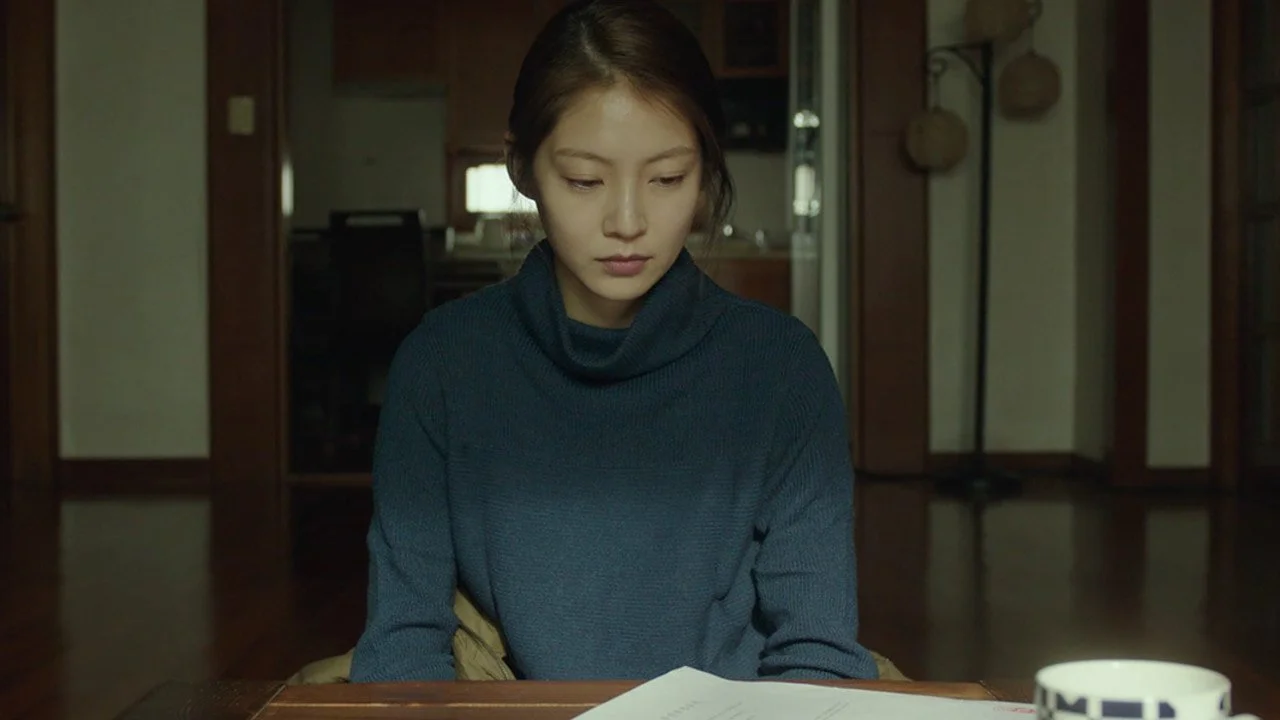
TIFF 2021: ‘Aloners’ Review
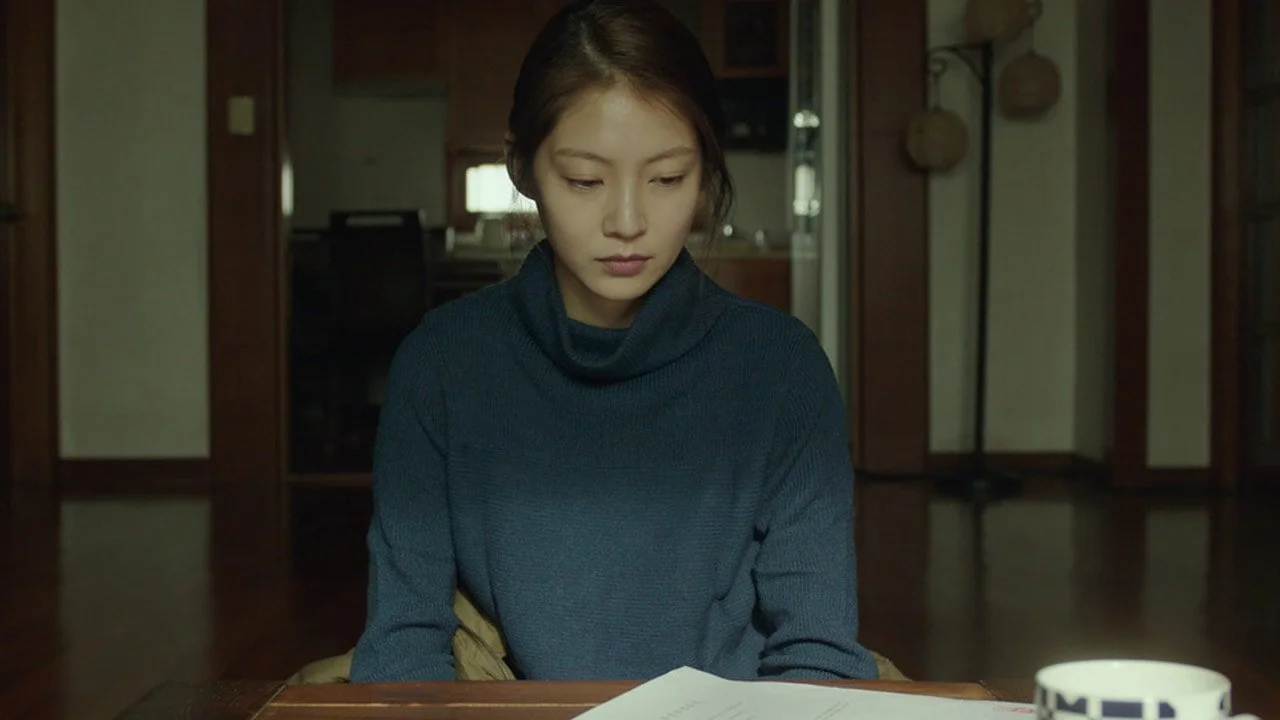
September 12, 2021
In her thoughtful debut feature Aloners, Hong Sung-eun muses on the question of how to live alone and not suffer from loneliness. While there is no definite key answer that applies to all, there is a reassurance to not knowing. There is a specificity to the story of Aloners that makes it resound so deeply on a universal level. In the most meditative and quiet of ways, Sung-eun tells an empathetic narrative of her protagonist’s loneliness. At the center of her film is an observational lived-in performance by Gong Seung-yeon as Jina, top employee at a credit card call center. The job requires practiced and reliable communication, without the need to build personal relationships beyond providing a service. It’s a job that feeds the way she self-isolates as a form of self-protection. The grief she suffers permeates on a daily basis, taking the shape of shutting out the world around her. Underneath the knee-jerk exterior she presents to the world of a person who prefers to be alone, is a person who isn’t so great on her own. The character study that unfolds is a compelling exploration of learning to face uncomfortable emotions. Aloners is a beautifully restrained, assured portrait of grieving the loss of human connection.
Jina’s job encourages her dependence on technology as communication. She constantly has a screen playing; whether it be the late-night bright static of her TV, or a rabbit hole of videos streaming on her phone. The most recent on her playlist is footage from a home camera installed at her late mother’s house, which her father (Park Jeong-bak) now occupies. Instead of visiting her father, she watches him from afar in real-time. Their relationship exists mostly on a digital platform where she can control how much access he has; brief phone calls and ignored messages sum up where the communication stands. Too afraid to admit the reality of her emotions and part ways with what no longer serves her, Jina avoids letting others in. In the process, the world becomes a blur. When she discovers one day that her next door neighbor has been dead inside his home for a week, she claims she could have sworn she saw him that very morning. Aloners conveys a mindset that is not often portrayed with such delicacy and empathy. The protagonist is so utterly relatable in the way her loneliness acts as both a problem and a solution. It’s a mentally draining cycle in which a breakthrough can be difficult to come by. Her days turn into night and back again in the blink of an eye, but upon the news of her neighbour, she begins to reflect on what she’s missing.
The beauty of life is in its unexpectedness, particularly in how a stranger can unassumingly walk into the picture and ever so slightly move the axis of another person’s world. Aloners has a subtle energy, a slow moving narrative that is deeply observational and hauntingly universal in its focus on a relatable subject. Sung-eun reaffirms the power of building relationships in real life. Once jumping over the hurdle of letting someone in, the hope that shines through is a sight to behold. The hope of being understood and heard, of being seen and comforted through your fears of rejection or getting hurt. Aloners is not just about the building blocks of how to get here, it’s not just about reaching out to people and spending time with people. The story also shines a light on the time and energy needed to cultivate a healthy relationship with yourself. Sung-eun makes strong narrative choices in the supporting characters with whom Jina encounters, notably her underperforming co-worker Sujin (Jung Da-eun) who is the opposite of Jina: always wanting to make friends, not wanting to be alone. When tasked with training this girl, Jina realizes first-hand how shutting people out has an effect on others. Their scenes unfold in such an interesting way that traces Jina’s fear of admitting parting moments, and also brilliantly analyzes capitalism. It’s rewarded behavior to reassure an irrational angry caller, for instance, while frowned upon to stand up for yourself and refuse being apologetic. The trajectory of their scenes lead to an emotional climax with understated power.
The fear of saying goodbyes is a mounting one for Jina; never given the courtesy of a farewell in the past, she finds immense challenge in extending the act to others. Met at a point where people had been blurs in the background of her life for so long, the realization she faces in the film is filled with hope. Through a wonderful performance by Gong Seung-yeon, who can speak a thousand words with a glance or a change in posture, Aloners hits close to home as a portrait of solitary existence. Hong Sung-eun has such a clear voice and brings comforting specificity to a subject that can often be intimidating to face alone.
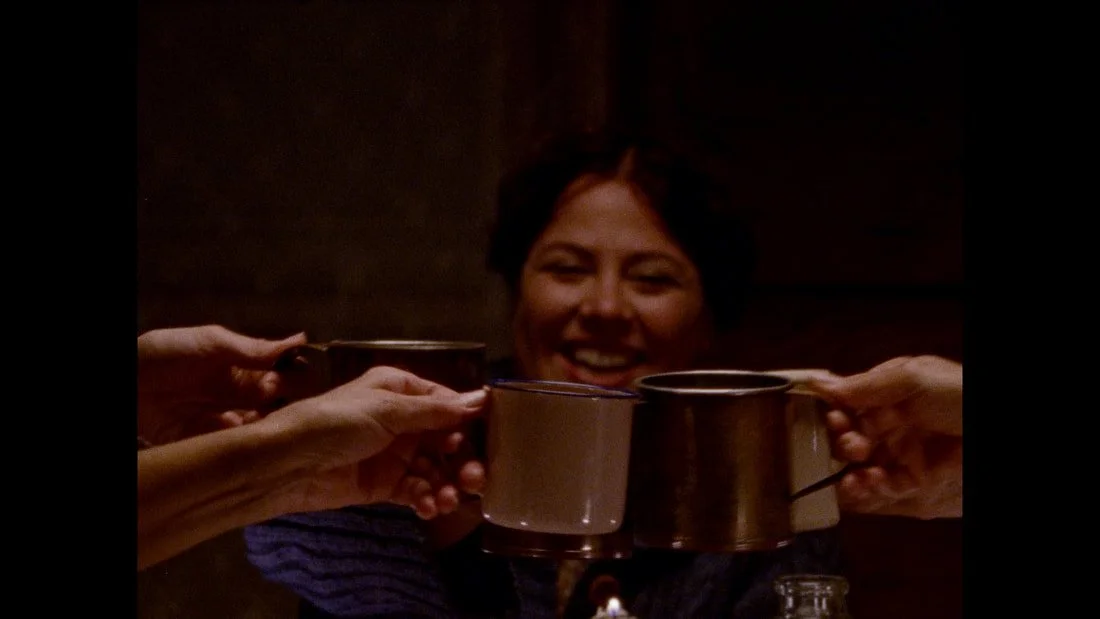
TIFF 2021: ‘Ste. Anne’ Review
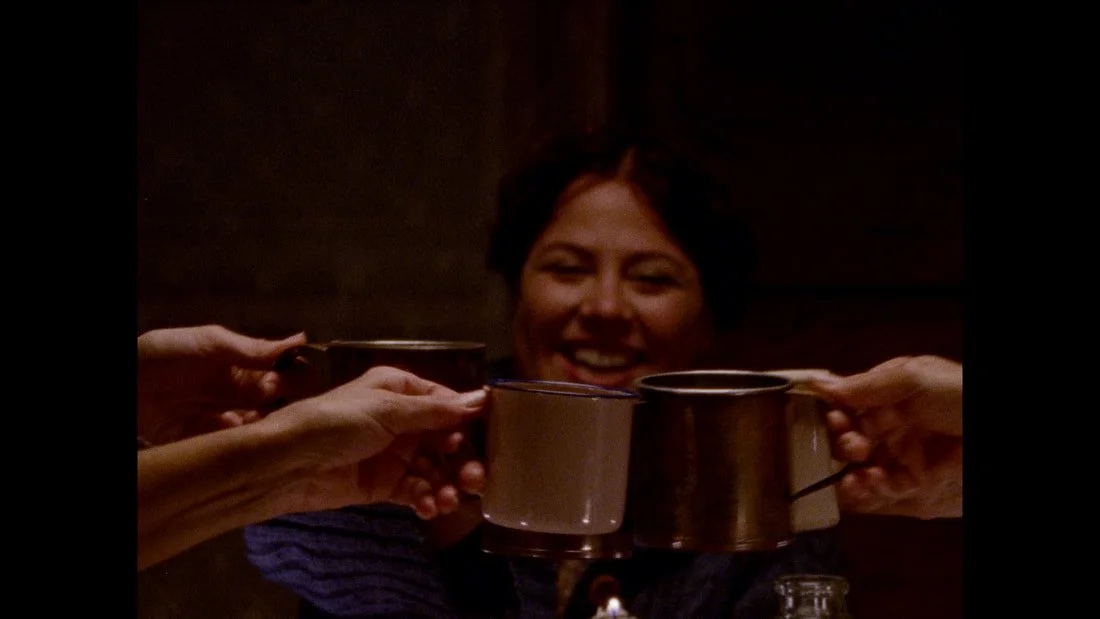
September 13, 2021
Manitoban filmmaker and visual artist Rhayne Vermette spends her phantasmic film, Ste. Anne, lost someplace between memory and present tense. She finds a way of capturing and evoking a daydream, feeling her way through which direction to take. Her narrative floats from one train of thought to another, all reaching for the key destination on Vermette’s map: following a woman’s journey from obscurity to home life. As an evening party journeys into late night, word spreads among a Métis community in Treaty 1 territory (Winnipeg today) about the return of Renée. After being inexplicably missing for four years, Renée returns to her daughter Athene - now living with Renée’s brother Modeste and his wife (who sees Athene as her own). Renée’s presence creates a ripple effect among her surroundings, both people and places, as she re-familiarizes herself with a community familiar and faraway. Flung out of a mysterious past, Renée goes on a fragmented journey of piecing back her life. As her memories unravel into fragments, so too does the film itself. Ste. Anne is a beautiful collage of belonging to places and people, all the while being haunted by a community that’s been lost.
Sometimes referred to as subminiature, 16mm film has a home movie-making quality that makes Ste. Anne feel like an intimate piece of art. With a knack for strong visual storytelling, Vermette takes characters and places on a dreamlike journey through space. Not set in space, but there is a planetary approach to the story in that the film moves like that of a planet. Constantly wandering and shifted. Renée appears as a nomadic character, always on the move even when returning to a life of traditional abode. In her return to the community she once left behind, there is a feeling of unease and unpredictability. Tensions arise between her brother Modeste, his concerns grown from Athene being without a mother, and wanting his sister’s presence to be constant. Vermette's hallucinatory approach poses the question of which narrative events are happening in real-time, and which are residue of a memory. Ste. Anne experiments with great ambiguity that puts the narrative off the map, becoming a puzzle to put together. It’s a great parallel to thinking back on a cherished time, conjuring visual bits and pieces with a strong undercurrent of how each one makes you feel.
Ste. Anne has an intensity that comes in waves, from the use of blaring noise to some of the heightened emotional conversations between family members. For each of these moments, there is one of sombre serenity, and one of haunting apparitions. The film is presented in such a way that shows snapshots of a meaningful moment. Vermette's fragmented narrative is a powerful reflection of how memories float in and out of consciousness, often triggered in unexpected ways. Among the most visually striking are the ghostly elements of Ste. Anne. An unforgettable moment features a family sitting around a dinner table, while a lost loved one appears translucent in the background of a frame. One of the more resonating subjects the film tackles is the lingering power of belonging. The knowledge of loved ones gone but not forgotten, that their place is held close to the family’s heart. Vermette's use of a ghostly apparition is a brilliant way to show the reverberating power of a memory; the ease with which people depart, and the memories left behind in the spaces they once occupied so presently.
Vermette's recurring image of a prairie sky, which appears as the first shot of the film, sets a wistful and intense tone that the rest of the story maintains. Ste. Anne is full of snapshot evocative moments, each its own vignette. With a dreamlike setting, the film weaves through echoes of ideas pondering on belonging. Many of the scenes depicting Renée follow her character as she’s headed elsewhere. There’s a rarity to the scenes where she’s stagnant, as though time is precious and she may disappear at any given moment. There’s always a feeling that Renée has one foot outside the door, a sentiment conveyed strongly during the polaroid scene between her and Athene, in which Renée describes land she envisions returning to. So much of the film traces her character in motion, ready for the next step while also acknowledging and reclaiming moments from the past. Interjected throughout are conversations between family members that often start mid-sentence, like being a fly on the wall listening in on intimate connections.
Ste. Anne follows a thread of family matters, how a community are brought together by way of people and places. Sometimes, a moment as simple as sitting around a table and sharing a meal spills into something far more complex given the intimacy of being physically or emotionally at home. Home is a feeling. These emotions extend far beyond a structure to house them all, and Vermette is skillful at conveying how home travels…it’s in bits and pieces, existing not only in people and places but in the sentimental things. In a polaroid of land Renée envisions returning to. In hearing the name of a place alone, like a town in Manitoba called St. Anne. The narrative of the film has an ambitious sense of time, which gives it a blurry setting but it’s an approach that Vermette pulls off in a trance. She moves vividly through many fleeting moments on screen. But however fleeting they are, the film brings forth plenty to stop and ponder on, making the experience of Ste. Anne a mysteriously inviting one.
Ste. Anne had its world premiere September 13th at the Toronto International Film Festival. TIFF21 runs September 9-18, 2021.
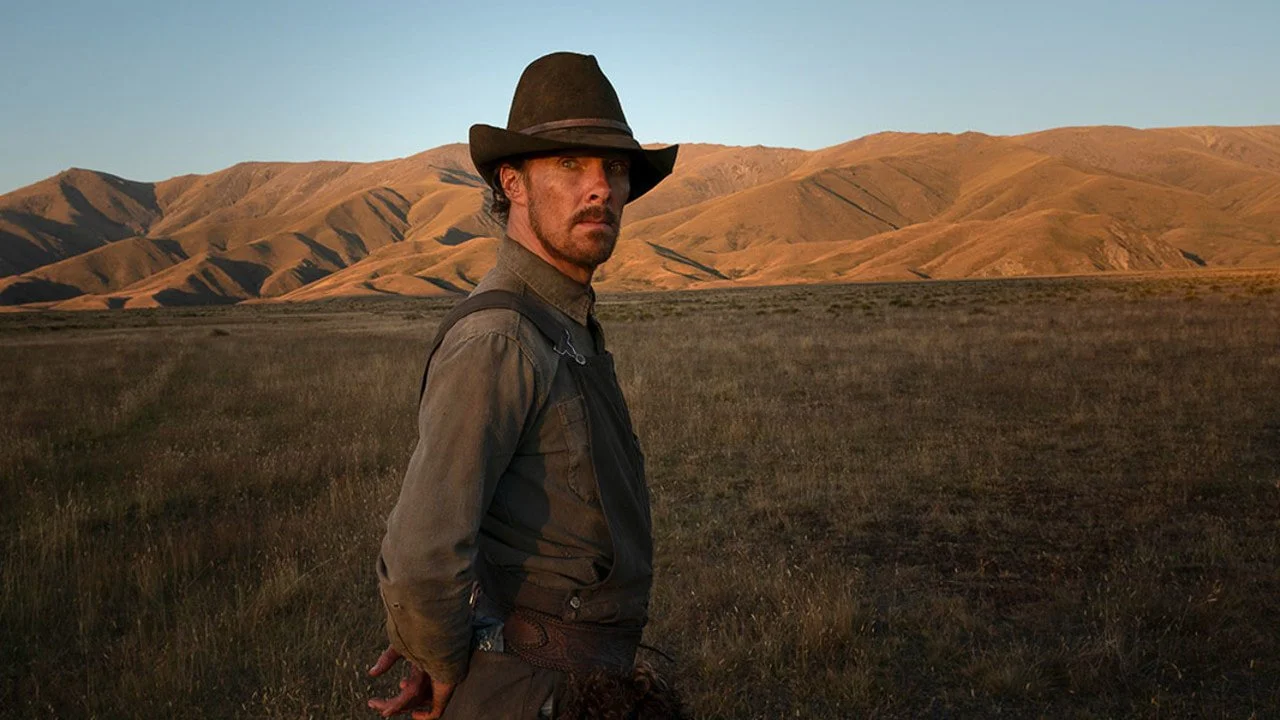
TIFF 2021: ‘The Power of the Dog’ Review
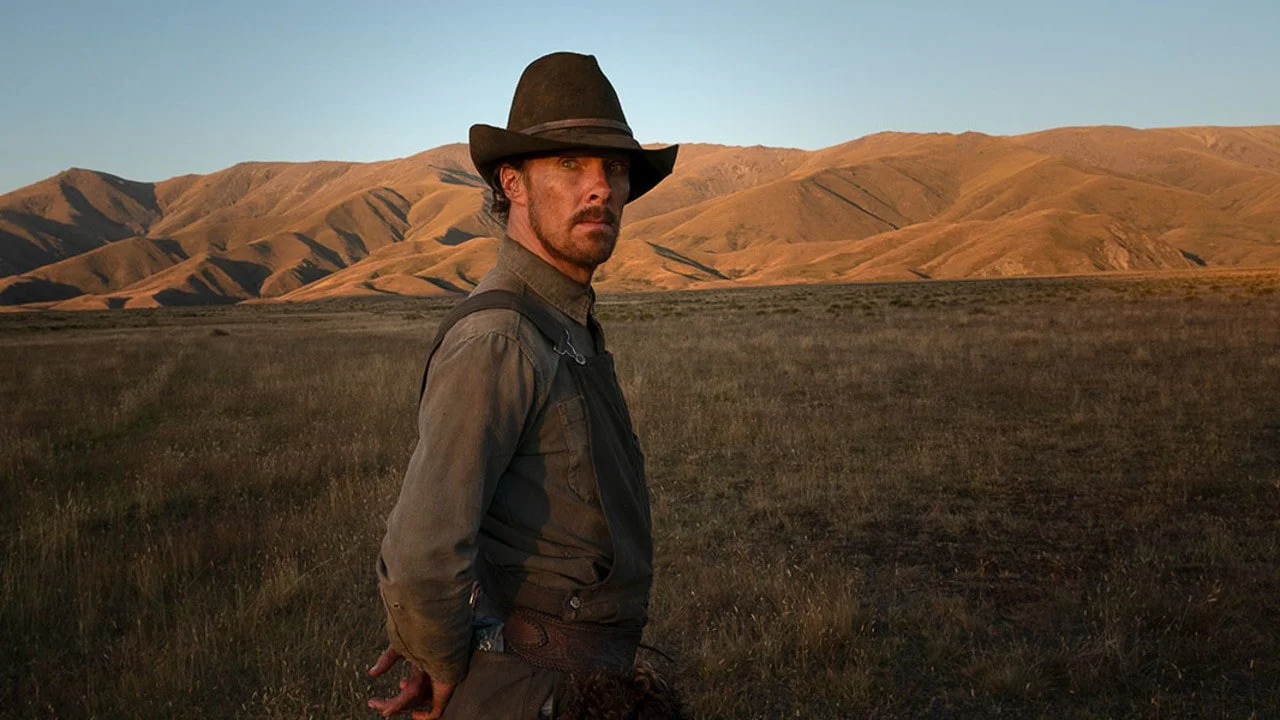
September 14, 2021
Jane Campion is back. It’s been over a decade since her previous film Bright Star, a nineteenth-century romance of sensual proportions, where the stunning visuals trace the details of its story. Her latest is a slow-building queer Western thriller, simmering in personal aggression and defeat. As the filmmaker journeys through adapting Thomas Savage’s Western novel of the same name, she leaves so many haunting treasures along the way. Reverberating emotion is carefully packed in each and every frame. A moment between two characters sharing a cigarette, made exciting and unpredictable by the power of Campion’s eye. The richness of her storytelling is a feast with lingering leftovers. From the memorable Jonny Greenwood score to the startling accomplishments of brilliant casting, The Power of the Dog has the kind of staying power that warrants several revisits. Benedict Cumberbatch has never been better, Kodi Smit-McPhee commands his scenes, and Kirsten Dunst reminds why she’s one of the most compelling in the game. Campion’s tackling of toxic masculinity and lost souls is an unsettling piece of storytelling.
At the core of this film’s gripping power is the dialogue. In Campion’s adaptation of Savage’s novel, words roll off the tongue and lines are burned into memory. Tension hangs in the air as many of the conversations unfold. I find myself hanging onto every word, as though the source of its threads are being quickly pulled away. Campion amasses a remarkable group of actors to light a fire to each conversation, whether through words or flickers across faces. Take a scene of the character Rose (Kirsten Dunst) playing a newly brought in piano. As she practices one afternoon, she hears the distinct walk and whistle of Phil Burbank (Benedict Cumberbatch) entering a ranch, owned by Phil’s brother and Rose’s new husband George (Jesse Plemons). A little rusty, just as she starts relaxing into a melody, Phil interrupts with the strings of his banjo every time. No words spoken, but a clear and assured understanding that he doesn’t want her around. In fact her torments her, and her son Peter (Kodi Smit-McPhee) from a previous marriage. He’s had a bubbling resentment ever since George’s announcement of his and Rose’s elopement. The driving force of the film’s plot starts with their dynamic, an unpredictable tornado of fear and thunderstruck awe. Slowly and patiently, the story digs deeper into Phil’s repressed emotions.
The Power of the Dog starts with a large canvas, a vast setting with land as far as the eye can see. But there is more to the story that Campion skillfully draws out with precision. Even with characters, they are introduced so quietly and unassumingly, yet carry a perceptive presence. The story unfolds in a puzzle, becoming more and more intimate when another piece is revealed. Campion brings so much attention to detail; the camera lingers on small moments and create an echo for you to follow later on. It’s an approach that maintains mystery in her storytelling and in the characters. Slowly and steadily, the performances add more pieces to the puzzle that start to crack the foundations they have internalized for themselves. In his best work to date, Cumberbatch carries an aggressive presence throughout. All the while, emotions inch nearer to the surface and he forcefully keeps them in check. It’s a truly fascinating portrayal of a lost soul, so far from that surface and deep within his internalized need to be “tough” all the time. Adhering to strict pressurized rules of behavior. Leading to toxic masculinity that manifests in different ways, as he torments those who are loving, those who are expressing truth in his wake.
Cumberbatch carries the film so strongly, though certainly is not the only performer who flourishes under Campion’s direction. Kirsten Dunst has a quiet staying power in the film. On the surface, not a character with “a lot to do” in the sense that her performance is not particularly action-based in obvious, outward ways. Rose has an internalized slow-build, a rollercoaster devoid of screams, and Dunst plays her exceptionally. Rose finds herself in the company of strangers, and while amongst her new husband George (cue adorable chemistry with Jesse Plemons), she’s not in the position of basking in a honeymoon. Grieving from a personal loss, struggling with her own inner battles, worried for her son (who is on the receiving end of upsetting taunts). Dunst conveys such wonderful range, with such subtly, and a truthfulness that she reveals under the influence. Just as accomplished is Kodi Smit-McPhee playing her son Peter. Also engaging in the sense of mystery around the plot and the trajectory of characters, he does a resonating job. He commands each of his scenes, and in a particularly exciting two-hander with Cumberbatch, makes the sharing of a cigarette all the more riveting to watch.
With a great many Valentines for a slow-building story, Jane Campion crafts a simmering mysterious drama with a precise vision and observing eye. As has become known and expected with her work over the years, The Power of the Dog looks stunning. The accomplished cinematography by Ari Wegner illuminates rich details. The visuals go hand in hand with the story, reflecting shifting perspectives and a setting that grows a little bit smaller as the story progresses. With more intimate scenes, a wonderful ensemble of actors work their magic alongside one another to keep the fires burning. Packed in each and every frame is a desire to revisit them, to bask in the clues Campion so richly shares. Here’s hoping another decade does not pass between her next film and The Power of the Dog.
The Power of the Dog premiered September 10th at the Toronto International Film Festival, and arrives on Netflix December 1st.
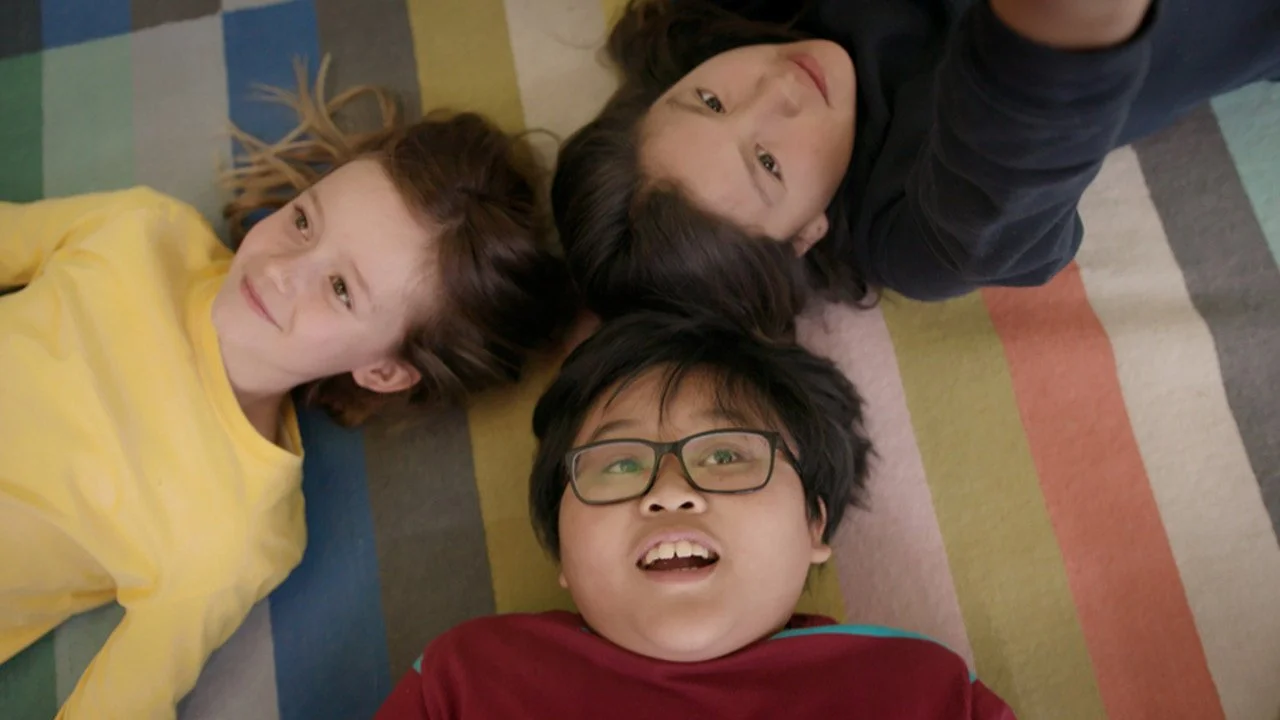
TIFF 2021: ‘Scarborough’ Review
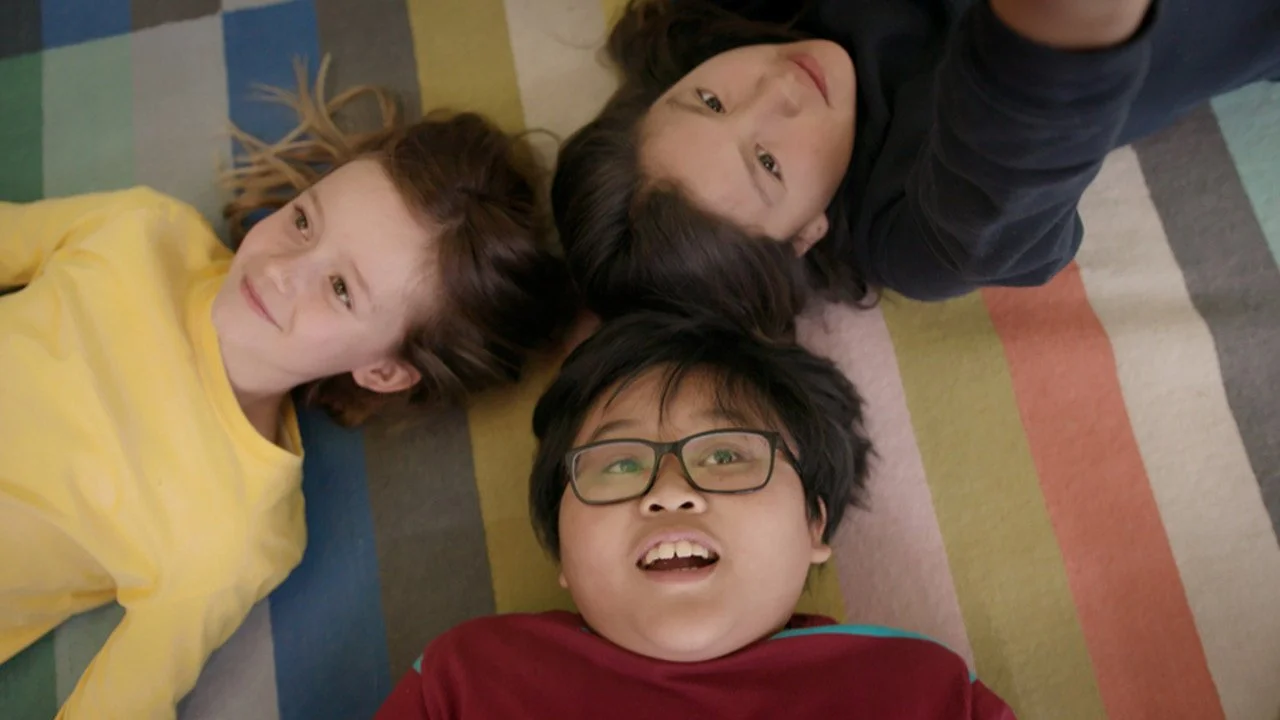
September 19, 2021
It’s easy to see why Shasha Nakhai and Rich Williamson’s Canadian film Scarborough was this year’s first runner-up for the TIFF People’s Choice. Adapted from Catherine Hernandez’s novel, the story is a compelling reflection of a community that is largely ignored. An interwoven story of family, neglect, hope, love, everyday acts of care. A story from which yearning for togetherness and understanding beams. Radiating with an open heart, Scarborough follows three children living in a low-income neighborhood who cross paths and become fast friends. Nakhai and Williamson bring an unmistakably empathetic approach to the community beating at the core of this story. With a lived-in observational quality, Scarborough takes a look at some of the people who make up the city of Scarborough in Ontario, Canada. The story paints a portrait of their everyday lives, all the ups and downs that occur at any given moment. It’s a community-driven film that finds focus in the perspectives of children, as they both absorb and endure their surroundings, which range from household to household. Led by remarkable child actors, Scarborough is one of the most vital films in recent memory.
Catherine Hernandez’s novel (sharing the film’s title) is a portrait of multiple voices in a tight-knit neighborhood whose needs are often neglected and pushed aside. Located east of Toronto, Scarborough buckles under the heaviness of low-income, racism, prejudice, and a system that constantly fails them. From the beginning of the film, Nakhai and Williamson establish a hurriedness to the story. The pacing is suitably frazzled as characters are on the move, in a rush to avoid potentially harmful situations approaching. The film introduces Edna (Ellie Posadas) as she wakes her son Bing (Liam Diaz) and gently instructs him in a panic to gather belongings, presumably before his father returns home. Elsewhere in another household, Jessica (Kristen MacCulloch) berates her daughter Laura (Anna Claire Beitel) to gather belongings, physically abusing her in the process. Hernandez, adapting her novel into the screenplay, opens this story in the thick of people’s lives, exploring what day-to-day looks like for them. Down to the finest details, the story gives so many layers to each character with remarkable subtlety. By bringing specificity to this community of people, with a focus on three households in particular, Scarborough feels far-reaching in its empathetic approach.
Among the people in this community are the families of Bing and Laura, as well as young Sylvie (Mekiya Fox) and her mother Marie (Cherish Violet Blood). Sylvie, Bing’s best friend, observes as her mother struggles to balance finding a permanent home and taking care of her autistic son Johnny (Felix Jedi Ingram Isaac). The children are brought together by a school program where families can drop in before classes, have access to free snacks, and simply have a safe space to be in. The literacy program is run by Ms Hina (Aliya Kanani), who cultivates a healthy and inclusive space for everyone to join in. She’s also witnessing first-hand the direct effects of low-income on educational resources. Her supervisor, who appears to mean well but really has no real grasp on the realities of this community, subtly discourages her from “running a soup kitchen”. In a stunning moment between the two characters late in the film, Hina makes her feelings known when her supervisor’s response to a sudden tragedy is all about “shock” and “I can’t imagine”. With faux pleasantries, she attempts to deny Hina the space to mourn. It’s one of the most quietly devastating moments in the film, to watch in real-time how a system has failed a child. The power of Hernandez’s writing is in making this community as multi-faceted and observational as possible. So much happens in between the lines, in the tiniest of gestures and actions, and the film soars by shining a light on those moments whether they are good, bad, or ugly.
The filmmakers exude a palpable love for the characters of Scarborough. It’s a marvel how the ensemble is filled with mostly first-time actors, delivering a level of performances one would find in the career of a seasoned performer with multiple credits to their name. Most impressive are child actors Liam Diaz, Anna Claire Beitel, and Mekiya Fox playing the three main kids Bing, Laura, and Sylvie. The many facets of this story are funneled through their perspectives, which are quite different from one another. The neglect Laura experiences is absolutely heartbreaking to watch, and Beitel is unforgettable in this role. Also wonderful are Fox and Diaz, who bring a wholehearted quality to their roles and just light up the screen. One of the most heartwarming moments arrives at the end with Diaz’s school talent show rendition of Whitney Houston’s ‘I Wanna Dance With Somebody,’ a balm for the soul. An instant crowd pleasing moment.
Told with care, Scarborough gives visibility and depth to a multi-faceted community of people in a combative environment. It’s a wholehearted look at how people in close proximity to each other come together, and shines a light on those who are contributing acts of goodness in this world while facing hardships of their own. Hard to watch at times, given the unflinching look at an abusive household. Also remarkably grounded, not exaggerated and played for dramatic effect. This is a story with a lot to love, and a lot of love to give. Scarborough shows the resilience of a community, with beautiful incorporation of children and adults’ perspectives.
2022-02-24
Editor's Note: The actress who played the character of Sylvie has since changed their name to Mekiya Fox.
TIFF 2021: ‘Spencer’ Review
September 23, 2021
It’s Christmas Eve, and Diana is late to dinner. Punctual kitchen and house staff quietly await her arrival. The food is ready. Rooms and tables are set in pristine condition, not designed to be disturbed but to be followed. As pointed out by Major Alistar Gregory (Timothy Spall), hired to observe and report Diana’s every move, all those employed by the Queen have taken an oath. It’s a sense of responsibility they fall back on, becoming less like human beings and more like lines in a rulebook. Not at all keen to follow any sort of rulebook, Diana’s individuality is weighed down by the expectation to behave a certain way. Over the course of a Christmas weekend at the Sandringham estate in Norfolk, England, where Pablo Larraín’s Spencer is set, the qualities traditionally synonymous with the season such as togetherness and family time are capsuled in a world within a world. A world Diana shares only and understandably with a select few; her boys first and foremost, William and Harry. Her confidante, Maggie, as well. All the while, the chimes of tradition ring louder and louder, as she wrestles to break free. Standing out as a fable, Larraín brings a distinct perspective to Spencer that is so defiantly a unique story of character. Set apart from various portrayals of Princess Diana over the years, the film has an interesting ghostly element, as though being haunted by a previous life. Working wonders with Kristen Stewart as the beloved icon, Spencer is a stunning achievement.
A portrait of Princess Diana is painted in a thoughtful, curious, and surreal way. Rather than land on traditional points about a real-life figure and adhere to a typical biopic structure, Spencer experiments with style. The clarity in Larraín’s vision, coupled with Stewart’s laser focused performance as Diana, make for a resonating manic drama. The screenplay by Steven Knight finds strength in telling a story around a moment in time, exploring the finite details of a few days in her life. The story lives inside Diana’s mind, at a point where her marriage to Prince Charles is crumbling and the narrowing chilly world around her grows more watchful. During a weekend full of protocols, such as having a selection of outfits she must wear only at designated times, the film conveys how the overall environment affects Diana’s wellbeing. With a consistent and clear tone, Spencer takes on the form of a psychological drama operating from emotion, wearing its heart on its sleeve, portraying the sadness and loneliness of a woman who also has no one she can truly confide in at any given moment.
One of the more unique elements of Spencer is how magnificently the film plays on time. A weekend feels like a lifetime, capturing that distinct feeling around the holidays where time slows down. As though holding onto the idea of warmth and joy synonymous with the season. There is also a surreal feeling to the story, where the past and the present are the same. Diana has existed in this rigid setting and way of life for so long (nearly 10 years at the point the film is set), that her past becomes an evergreen ghost story. A previous life, one before Prince Charles, begins to haunt her and envelope her surroundings. Muted pastel palettes, hazy atmospheres with a coat of fog, the ominous figure of Anne Boleyn, nightmarish surrealist scenes like having pearl soup. With stunning cinematography by Claire Mathon, an often spooky-looking exterior creates vivid and dreamlike imagery that puts the story in an imaginative setting. Accompanied by Jonny Greenwood’s memorable score, Jacqueline Durran’s gorgeous costume design, and an accomplished hair and makeup team that make all the work look effortless, Spencer is beautiful to look at.
Beyond the visual artistry, the casting of Princess Diana is of course the most crucial for this film, and casting Kristen Stewart is genius. In her most accomplished work to date, Stewart absorbs the character and sinks into a personal interpretation. It’s an unexpected performance in that she keeps each and every moment interesting. She reveals layers of wit, poignancy, and delightful awkwardness as the film unravels alongside her. She conveys the spirit of a woman wanting to break free, whose personality sees the light of day in bursts. It’s a performance rich in detail, from the change of body language when she’s in public vs. private. The relief but sadness in the moments she keeps to herself just from not having another soul to share with. She’s playful and curious, moving and unforgettable. Alongside her, a strong ensemble including Sean Harris, Timothy Spall, and especially Sally Hawkins work like magic. Hawkins, who plays Diana’s confidante Maggie, is another example of spot on casting. The actor has an instant quality of trust and warmth. She has a perfect scene with Stewart that gives the film an emotional release, a reminder to Diana that she is so loved, and conveys the importance of sharing love.
There are two vivid moments in Spencer that encompass such love. One, an entrancing dance sequence, showing an activity intimate to Diana, a personal expression of self that is as heartbreaking as it is heartwarming to watch. The other, a carefree moment shared between Diana and her boys as they sing together in the wind. The film intelligently shows the essence of the person; how does she feel, how does she make others feel, how do others on the outside feel about her. The blend of realism with surrealism gives Spencer a distinct perspective that stands out as its own creation and speaks with its own rhythm. At its core, a woman pondering on what she hopes to leave behind on this earth. Pablo Larraín and Kristen Stewart work wonders to shine a light on her impact.
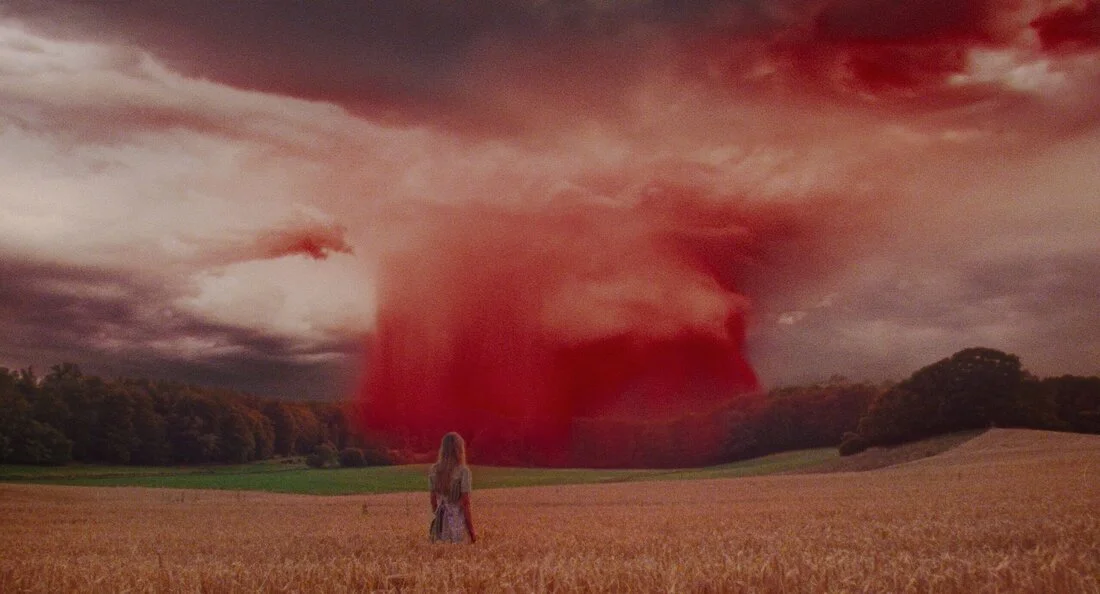
Debut Features Shine at the 2021 Toronto International Film Festival
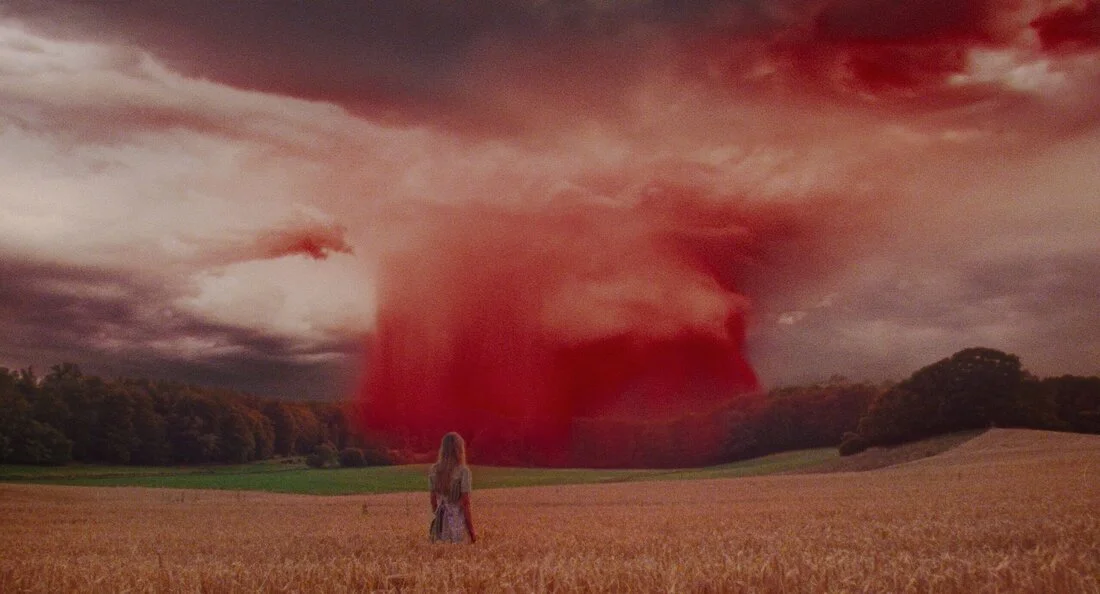
“Tea Lindeburg’s As In Heaven tackles the horrors women face about their health and autonomy.”
September 25, 2021
The 2021 Toronto International Film Festival welcomed back some familiar faces and long-awaited returns to their hybrid of in-person and digital screenings. TIFF Tribute Actor Award recipients Jessica Chastain (The Eyes of Tammy Faye; The Forgiven) and Benedict Cumberbatch (The Power of the Dog; The Electrical Life of Louis Wain) each had two films premiere at the festival. Speaking of The Power of the Dog, Jane Campion’s first feature film in over a decade (since Bright Star in 2009) premiered to enthusiastic praise. As did some of the major studio films including WB’s Dune (Denis Villeneuve) and, TIFF People’s Choice Award winner, Focus Features’ Belfast (Kenneth Branagh). With additional titles such as Focus’ Last Night in Soho (Edgar Wright) and NEON’s Spencer (Pablo Larraín), the festival boasted some of the most anticipated new releases.
As is the case every festival season, there are plenty more titles that tend to fly under the radar. I saw that many of this year’s hidden gems were in debut features, directed by and starring women. Promising talent, emerging vivid voices with a lot to say, and clear visions create a sense of disbelief that these incoming titles are the filmmakers’ first films. One of TIFF’s initiatives is the Share Her Journey campaign, supporting women’s paths to succeed as storytellers who help shape our cultural landscape (their words). While much progress still needs to be made, their words are ringing more true year by year. Of this year’s lineup, 46% of titles were directed, co-directed, or created by women. 19 of those titles were debut features directed by women.
Films such as Hong Sung-eun’s Aloners and Laura Samani’s Small Body explore the weight of isolation and solitary journeys. Also wandering in journeys of their own are Agustina San Martin’s To Kill the Beast and Rhayne Vermette’s Ste. Anne, which feel their way around which direction to take. A number of films feature protagonists following in the footsteps of women who have come before. Tea Lindeburg’s As In Heaven and Kate Dolan’s You Are Not My Mother, respectively set several decades apart, tackle the horrors women face about their health and autonomy. Part of what makes horror films (or ones that have elements of the genre) so appealing is how fear is elicited in different ways. Camille Griffin’s Silent Night raises an existentialist toast to the human spirit with dark comedy. Horror is also drawn from perceptive fears, and from real-life tragedies that reach through time and continue to haunt all those affected. Stanley Nelson’s documentary Attica, co-directed by Traci A. Curry in her first credited feature, gives harrowing insight to the rebellion of Black men and the horrific events that unraveled at the prison over the course of 5 days. Danis Goulet’s dystopian Night Raiders incorporates sci-fi and historical policies to show the harm inflicted on Indigenous people in Canada.
Watching these stories continues to amplify the voices of so many communities in front of and behind the camera. Stories of family and intimacy, ones of sticking together and growing apart, ones that carry universality by being so specific. Shasha Nakhai and Rich Williamson’s Canadian slice of life Scarborough, the first runner-up for the TIFF21 People’s Choice, follows three children in a low-income neighborhood who cross paths and become fast friends. It’s a story from which yearning for togetherness and understanding beams. Portrayals of day-to-day life gives a window to many of the protagonists in these debut features. Haya Waseem’s Quickening, Rebecca Huntt’s Beba, and Luàna Bajrami’s The Hill Where Lionesses Roar convey a fire within women drawing from personal experiences. Environment and setting play a heavy part in carrying the waves of emotions and circumstances. Antoneta Alamat Kusijanović’s Murina contrasts a beautiful oceanfront home with deep trouble in paradise. So too does Agnieszka Woszczynska’s Silent Land, a story that exposes the worn-out threads of a couple’s idyllic-looking foundation whilst on vacation. For many, there is no such thing as a place to run away from it all. For the family in Mounia Akl’s Costa Brava, Lebanon, who live isolated in the mountains to escape terrible pollution, the climate crisis catches up to their backyard.
While some ranging in quality and not always sticking the landing, these films have something to say, from a promising voice behind the camera. With TIFF pushing in a promising direction (and hopefully more to come), it would be interesting to see how many of these first-time feature directors become familiar faces during festival seasons years from now. Considering some of the spellbinding debuts that premiered at TIFF21, I look forward to the follow-ups.
Title synopses from tiffr:
Aloners (dir. Hong Sung-eun)
A solitary woman re-evaluates her isolated existence after her neighbour dies alone in his apartment, in Hong Sung-eun’s subtle debut feature.
Small Body (dir. Laura Samani)
Set in northeastern Italy in 1900, Laura Samani’s feature debut follows a grieving mother on a mythopoetic journey to give her stillborn child a name.
To Kill The Beast (dir. Agustina San Martin)
Agustina San Martín’s feature directorial debut is a bold piece of tropical gothic that puts young female desire at the centre of its loose narrative.
Ste. Anne (dir. Rhayne Vermette)
This stirring debut feature by Manitoban filmmaker and artist Rhayne Vermette is a formally alluring examination of home by way of places and people.
As In Heaven (dir. Tea Lindeburg)
Religious dogma and superstition threaten the dreams of a young 19th-century woman, in Tea Lindeburg’s period film that feels eerily contemporary.
You Are Not My Mother (Kate Dolan)
An eerie Irish folk horror wherein a teenage girl’s mother goes missing only to return with an increasingly uncanny change in personality.
Silent Night (dir. Camille Griffin)
Keira Knightley stars in Camille Griffin’s feature directorial debut, about a family’s eventful Christmas dinner in the country.
Night Raiders (dir. Danis Goulet)
Danis Goulet’s singular thriller draws on Canada’s ugly colonial legacy for a propulsive piece of genre cinema set in a dystopian postwar future.
Scarborough (dir. Shasta Nakhai & Rich Williamson)
Three kids in a low-income neighbourhood find friendship and community in an unlikely place, in this adaptation of Catherine Hernandez’s award-winning book.
Attica (dir. Traci A. Curry & Stanley Nelson)
Stanley Nelson examines the largest prison uprising in US history, conducting dozens of new interviews with inmates, journalists, and other witnesses.
Beba (dir. Rebecca Huntt)
A raw, poetic self-portrait in which young, NYC-born Afro-Latina Rebeca “Beba” Huntt stares down historical, societal, and generational trauma.
Costa Brava, Lebanon (dir. Mounia Akl)
Saleh Bakri and Nadine Labaki star in Mounia Akl’s impassioned debut, an eerie family drama set amid a raging climate crisis in near-future Lebanon.
Murina (dir. Antoneta Alamat Kusijanović)
The dynamic between a restless teenager and her oppressive father changes when a family friend arrives at their isolated Croatian home.
Silent Land (dir. Agnieszka Woszczynska)
A bourgeois Polish couple’s relationship disintegrates during a stressful Italian vacation, in Aga Woszczyńska’s richly observed feature debut.
Quickening (dir. Haya Waseem)
The debut feature from writer-director Haya Waseem explores the life of a young woman of colour navigating love, heartbreak, and family turmoil.
The Hill Where Lionesses Roar (Luàna Bajrami)
In a remote Kosovar village, three young women who feel their dreams have been stifled go on a quest for independence.
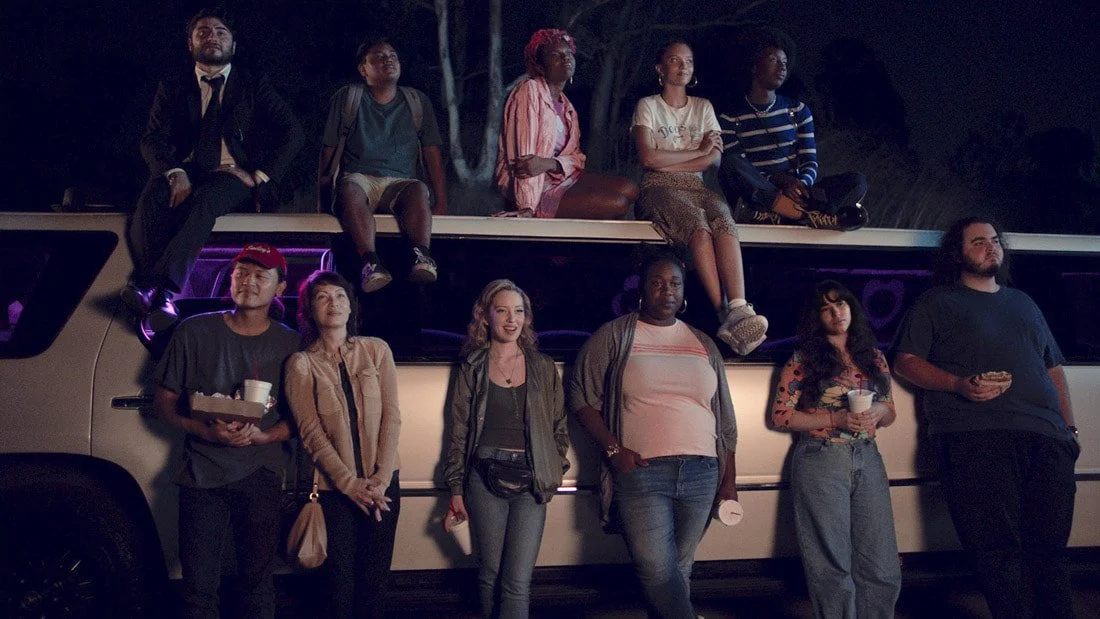
‘Summertime’ Review
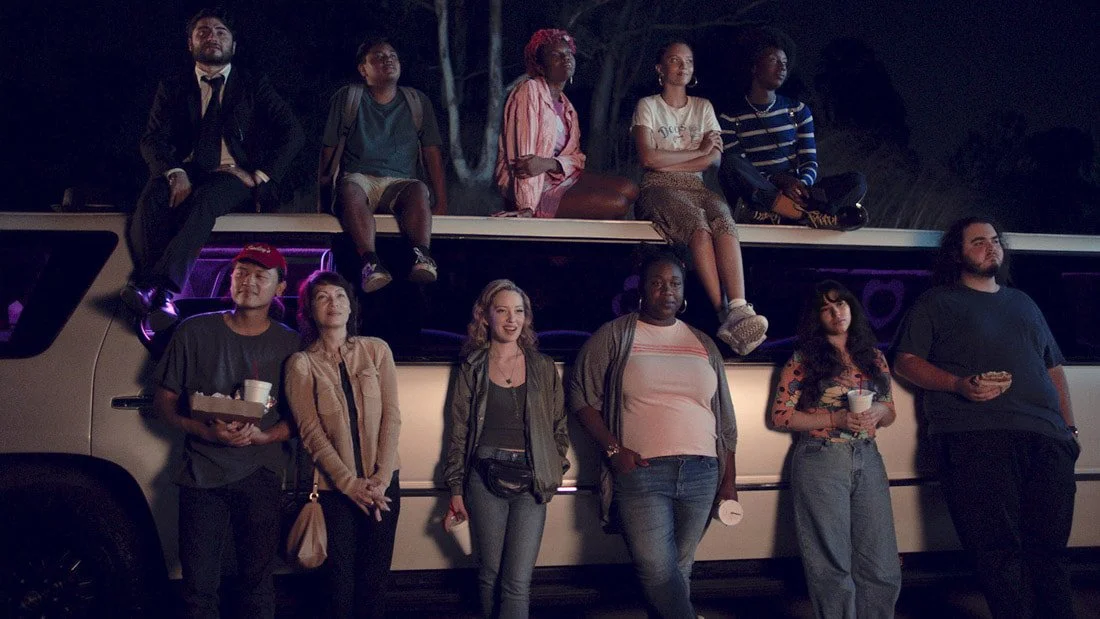
September 29, 2021
Infusing passionate heart and soul into every frame, director Carlos López Estrada masters the art of intersecting storylines in his lyrical film Summertime. Following his directorial debut Blindspotting, Estrada sets Summertime in Los Angeles and gives a voice to dozens of young Angelinos as their lives cross paths over the course of a single day. Through spoken word poetry, these young poets are the writers and stars of their own individual segments. They each have the space to move candidly and experiment in prose. An abundance of personalities share different expressions of love, fear, home, family, friendship, dreams, frustrations, powerlessness, capitalism, heartache. What do all of these words mean to them? Each segment demands attention, as the poets’ souls are laid bare. Estrada’s direction is so exuberant in celebrating community, showing the strengths of truthful expression, and seeks creativity in everyday moments. Summertime finds beautiful rhythm in the authenticity of uniquely talented performers.
With the blessing of a fluent narrative, the poets float in and out of each other’s stories. Summertime propels forward in a breeze. Estrada captures that feeling of life passing you by, of suddenly waking up one day and wondering where all the time has gone. As well, the film contrasts life’s chaotic haste with moments of creative pause. Each musical segment is a powerful rumination, pouring from the hearts of those performing them. While naturally some performers are stronger than others, it’s incredibly fulfilling to watch a community of talent brought together and sharing in their stories. Summertime feels like such an ode to the human spirit. Pulsating with energy at every turn while finding resonating, grounded moments to shine a light on harsh realities. Estrada lets this community and their surroundings guide the flow with a spring in their steps.
The intersecting storylines of Summertime give the film a wonderful ebb and flow, to the point where it feels like one big stream of consciousness with multiple little threads. Each individual segment is a strong creative burst of personality. Some shine stronger; the standout performer here goes to Marquesha Babers, whose incredible piece confronting her ex is a force of nature. A towering achievement where time stops, and this intimate moment Babers shares becomes all-absorbing. Another great standout is Gordon Ip’s piece as a fast-food worker fed up with a toxic environment and the entitlement of customers. His segment unites some of the poets seen throughout the film, and propels Summertime to a wonderful moonlit ending full of emotional (and literal) fireworks.
While there are dips in quality from one segment to the next, all the spoken word performances feel connected on the same wavelength and basking in the warmth that creative expression brings to the soul. Art brings people together. Music brings people together. The form of expression holds a mirror through which many can see themselves in, feeling seen and heard. The constant shifting from one segment to another in Summertime gets messy often, but speaks to the ups and downs of creating. By the end of the film, watching all the poets listen to the final piece together hits hard. The sense of unity and understanding in this moment, a piece about dreams and reclaiming power over time, has a resounding emotional core. The film takes control of time by giving each performer the opportunity to “fly like the ground is on fire.” Time does not fly. The poets do, and their varied forms of expression carry them to creative heights in Carlos López Estrada’s melodic work of art.
Watch Summertime on Apple TV/iTunes when it releases digitally October 5 in Canada.