
TIFF 2021: ‘The Guilty’ Review
September 30, 2021
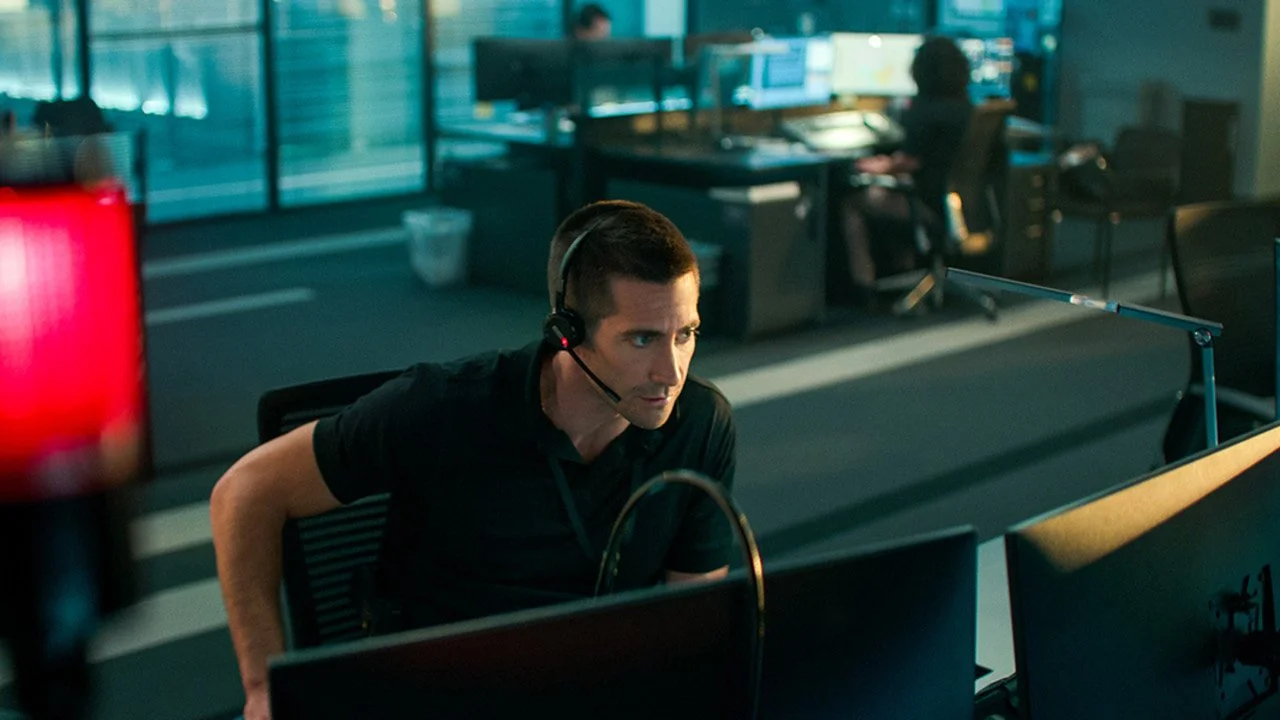
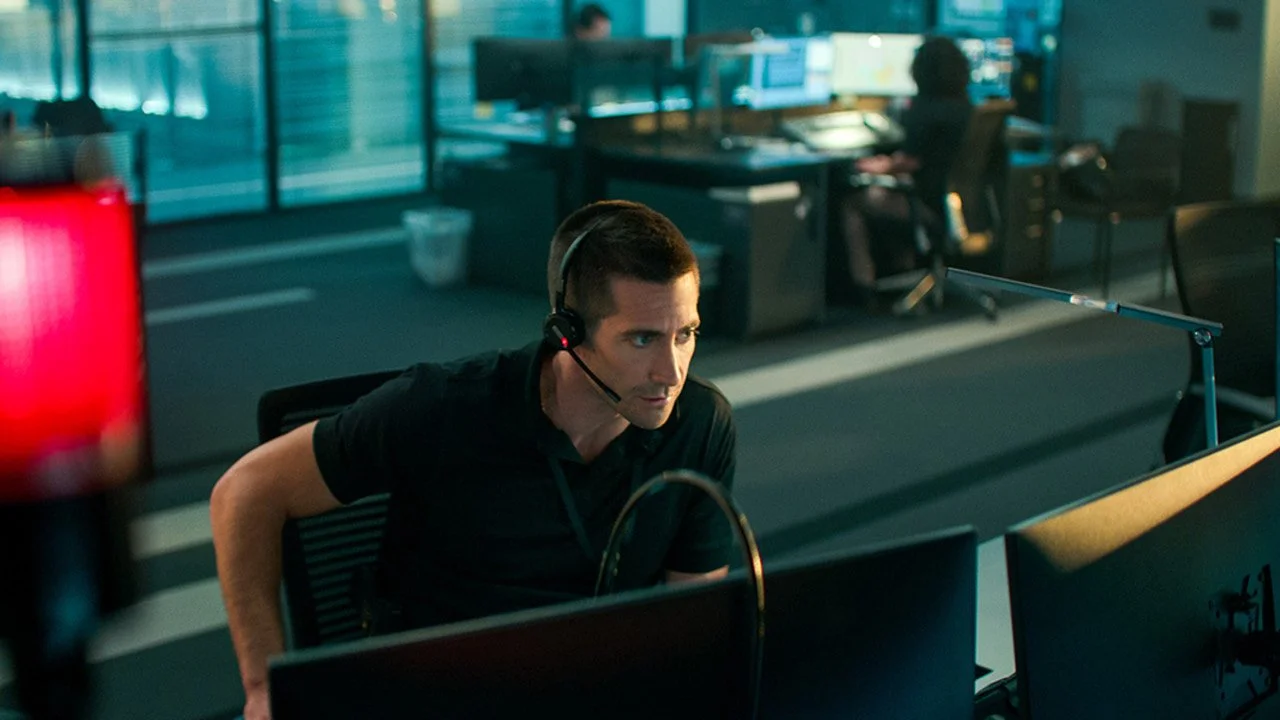
Following the 2015 release of Southpaw, Antoine Fuqua and Jake Gyllenhaal reunite for an American retelling of The Guilty, originally a Denmark film directed by Gustav Möller. Taking place over the course of a single morning, demoted police officer Joe Baylor (Gyllenhaal) answers calls at a 911 dispatch desk. A wildfire rages over Los Angeles as he settles into a repetitive shift. Then one call comes in from a woman in grave danger using cryptic messages. The chaotic events that transpire send Joe into a downward spiral, as he throws himself at this case and discovers nothing is as it seems. Communication is his only way out. Fuqua expertly keeps the camera close on Baylor, which heightens the tension and maintains frenetically high stakes in a contained setting. The alarming reports, the missed calls, the failed signals, all help build to thrilling sequences. Decades into his career, Fuqua continues to show how well he can craft a lean and absorbing thriller. With swift direction and a fantastic cast, The Guilty makes the most of a 90-minute runtime.
Having not seen the original film, The Guilty has plenty of surprises in store. Thanks to a contained setting, the reveals are in real-time which gives the opportunity to experience these moments along with the central character, as he frantically tries to determine next steps to take when time is of the essence. In spending this early morning with Joe Baylor, there are a lot of unpleasantries. He can be demeaning, he flies off the handle, he is snappish with his time. He is also experiencing anxiety ahead of his disciplinary court hearing. Allusions to misconduct surface in bits and pieces, gathered from Baylor’s various phone conversations with some of the people in his life. Gyllenhaal is the glue conveying a whirlwind of emotions, as we see Baylor’s head spin between personal and professional failings.
In the midst of this tornado is a 911 call from a kidnapped woman named Emily (Riley Keough). Sounding as though she’s speaking to her child, Emily cryptically reports her own abduction and Baylor catches on without missing a beat. With a ticking clock and limited information, Baylor puts everything into solving this case. From the moment she calls in, it’s as if his outside world stops and his other problems melt away. Nothing else matters except guaranteeing Emily’s safety. This dynamic between the two characters is what keeps The Guilty running. The film is an acting showcase for Jake Gyllenhaal, a consistently great actor who delivers yet another compelling performance. His exceptional work brings a pulsating energy to the story. Even more impressive is the performance by Riley Keough, stealing scenes from over the phone. Her voice work is astounding; the fear in her tone is unmistakable, and she takes the audience on an unexpected journey with an emotionally resonating undercurrent. Long after the film is over, it is her character who lingers in memory. Keough does such a great job creating a visual with her voice, imploring the power of imagination for what Emily is going through. Much of the film’s success is in the casting not just of Gyllenhaal, but the entire supporting cast. All the voice work is strong across the board, including an emotional Christiana Montoya as Emily’s daughter Abby and a great Da’Vine Joy Randolph as the CHP dispatcher Baylor often calls to help locate Emily.
The momentum of The Guilty ebbs and flows at times; but at its peak moments, which usually involve the calls shared between Baylor and Emily, it’s easy to feel glued to the screen. By staying up close and personal with Baylor, conveying his anxiety and subtly introducing people in his life (his daughter; his estranged wife), the film establishes a strong connection to him. The Guilty also delves into accountability; it’s unclear exactly why but Baylor is a guilty character, and the weight of his actions lay heavy on him throughout the film. With an important hearing coming up the following morning, he has the opportunity to hold himself accountable. For much of the film, Baylor channels this energy into Emily’s case. As though if he could make things right for her and bring her home safely, this would overshadow his previous wrongdoings. The film speaks to the incompetence of policing as well, as shown in the contrast of Baylor’s character. He is quick to follow clues and catch on to mixed signals, while allusions to his past show he’s taken part in corruption and misconduct.
The Guilty gets repetitive at times; the containment of one setting reaches tedious moments. There is also a missed opportunity not delving deeper into the subject of mental health. But Gyllenhaal’s engaging performance and the impressive supporting voice work command the screen. The cast help create a riveting environment where characters are relying on one another to figure out what decisions to make next in real-time. Fuqua’s direction keeps the stakes high and creates an energetic atmosphere with more weight than a by-the-numbers thriller.
‘You: Season 3’ Review
October 11, 2021
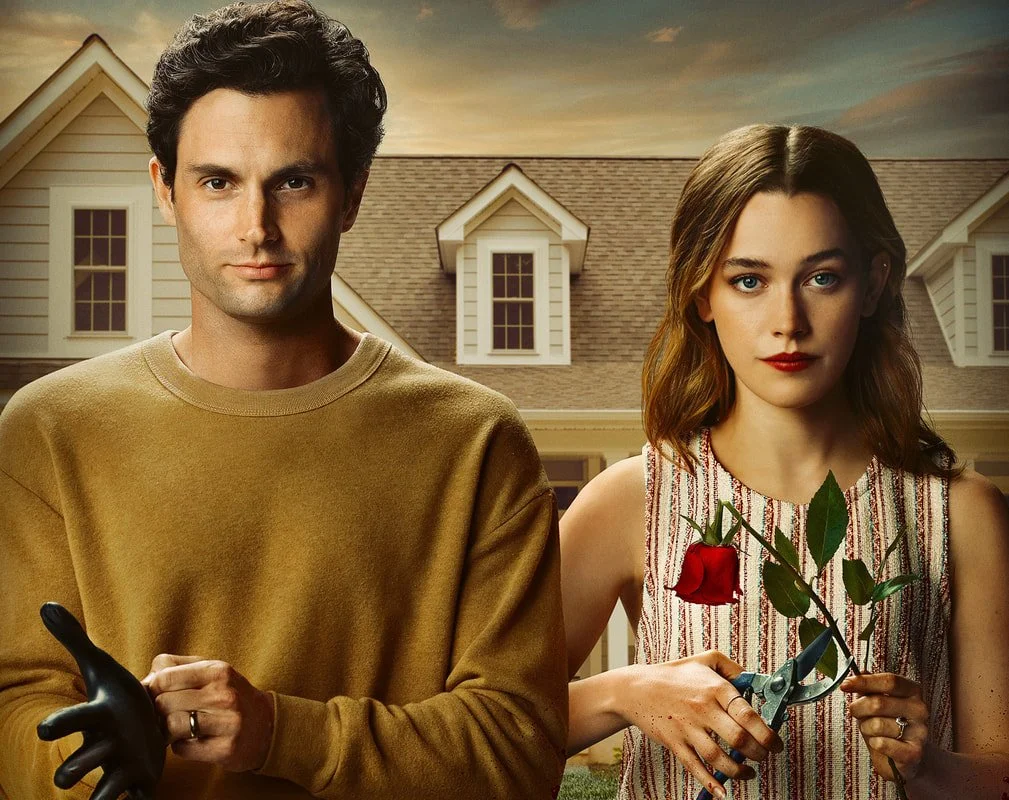
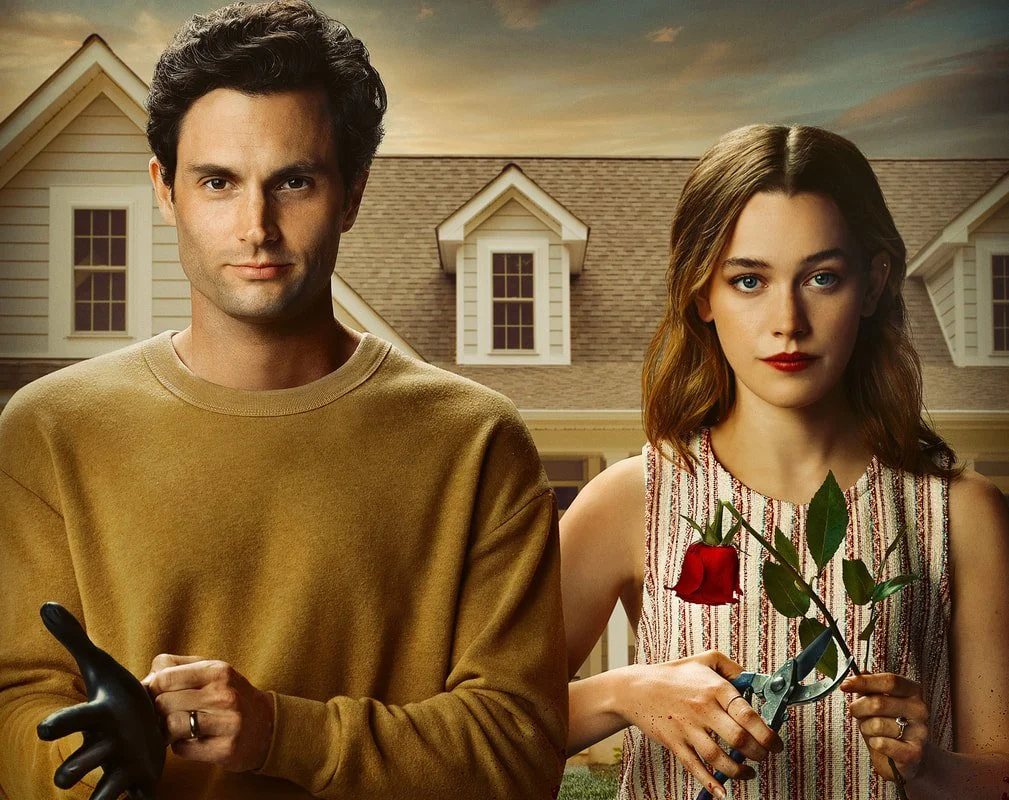
Based on Caroline Kepnes’ best-selling novel of the same name, the premise of Netflix thriller series You is the foundation for how obsessive killer Joe Goldberg (Penn Badgley) operates, all in the name of true romance. The past two seasons have seen his pattern play out, with enough twists and turns to keep things interesting. He becomes transfixed with a woman, goes down a rabbit hole to find out everything about her, and is determined to eliminate anyone standing in his way of finding love. Joe’s narration puts the story inside his head, charting his emotions and thought process for why he feels like he’s right. The series starts to find its stride in season two, avoiding repetitiveness by introducing a fresh start in Los Angeles with Love Quinn (Victoria Pedretti). Love’s complicated character proves to be a game-changer, equally psychotic as she turns the tables on Joe and leaves room for more. The writing team of You season 3 take advantage of an opportunity to explore Love’s murderous spree, showing how this affects her and Joe’s marriage and joint parenthood in a suburban setting. The couple learns surprising layers about each other, while also relying on patterns they’ve come to know from being together. Has Joe really met his true match, or is his only chance at a fresh start one without love? Couple’s therapy can only do so much…Behind the white picket fences of small-town living is You’s most thrilling season yet.
The biggest part of why You season 3 feels more fully realized than its predecessors is bringing the character of Love Quinn fully on board. Most of the unpredictability derives from her trajectory and the way she utilizes her surroundings, whereas Joe’s character has greater tendency to tread familiar/derivative territory. The two of them together, now married and raising their baby Henry in Northern California, raise the stakes under the roof of a new setting. The season makes a great decision in moving away from sprawling places like New York City and Los Angeles. The Quinn-Goldberg residence lies in the Northern California enclave of Madre Linda, a small suburban outskirt where a slowed-down lifestyle affords more time for the neighbors to know everyone’s business. There are only so many places to find solitude, a sentiment that Joe and Love’s next-door-neighbor Natalie (Michaela McManus) knows all too well. Getting to know her holds a mirror to Joe’s perpetual feeling of the grass being greener on the other side. The picture-perfect Quinn-Goldberg marriage is a suburban purgatory, and Joe’s loyalty to his own heart above all complicates their future.
Built on a foundation of secrets and lies, season 3 excels at lifting the facade of an idealized life. Having a perfect marriage and family are romanticized over everything else, to the detriment of what’s real. The suburban setting is the perfect playground for this story, where so much rides on keeping up appearances and ultimately lying to yourself in order to do so. Watching Joe and Love attempt a cookie cutter lifestyle is entertaining and disturbing in equal measure, especially with the purity of baby Henry in the background. The facade of Joe and Love’s marriage is also lifted; moving to a setting that sounds mundane and typical only intensifies their attempts to fit in and gain acceptance. Madre Linda is a place where any deviation from social acceptance would be cause for ruin, making everyone’s hidden truths valuable weapons for self-destruction. Joe and Love may know plenty of each other’s dark murderous secrets, but not everything. The more Joe wants to reign himself in for the sake of his son, the more unpredictable Love becomes.
Reprising their roles, Penn Badgley and Victoria Pedretti give their most impressive performances of the series as Joe and Love. Giving them more layers to work with, the new season draws parallels between the two characters and gives insight into why they are able to keep up with each other. Both are unraveling in self-sabotage, unhappiness, and issues with their parents. With flashbacks to Joe’s troubled childhood, and present-day scenes with Love’s mother Dottie (Saffron Burrows), family scars dictate much of the couple’s decision-making with Henry. Season 3 puts Joe and Love in some new lights, giving Badgley and especially Pedretti room to flex a wider range of muscles. Love’s rollercoaster character takes far more of a responsibility this season, which makes each episode more and more impulsive. Joe’s character maintains a steady soundboard of insightful narration, new obsessions, and themes of toxic masculinity.
The surrounding neighborhood of bloggers, entrepreneurs, and social media influencers is catnip for Joe’s taunting narration. You season 3 introduces a mostly new cast of supporting characters who complicate the leads’ decisions, cloud their judgement, and aren’t as unassuming as one would think. Mostly residents of Madre Linda, they have their own secrets and lies that can throw a wrench in even the most carefully planned situations. Among the standouts are Tati Gabrielle as Marienne and Dylan Arnold as Theo, each of whom have a bigger part to play in flipping the script as the season unravels. The season also introduces two of the most entertaining characters yet, Sherry and Cary Conrad. The Conrads, played by Shalita Grant and Travis Van Winkle, are the perfect playful anecdote to the Quinn-Goldbergs. Their performances play up the ridiculousness of social media obsession but neither of them, Grant especially, allow for their characters to become caricatures which makes their trajectory a lot more gratifying.
You season 3 pulls a dangerously addictive front row seat to crumbling relationships in a hellish cookie cutter suburbia. Old habits die hard, and this new chapter does its best to maintain surprising twists that push the narrative in new directions. Building on the psychological edges and satirical commentary of the first two seasons, there’s more to the revelations than throwing in bombshells for the sake of it. Season three excels in conveying dual roles between Love and Joe. Both manipulative in their own right, the game becomes who is playing who at any given moment. The Quinn-Goldberg duo, along with memorable supporting characters aiming to get one step ahead of them, have enough tricks up their sleeve to maintain binge-worthy chills and thrills.
You season 3 releases exclusively on Netflix October 15th.
‘Mass’ Review
October 11, 2021
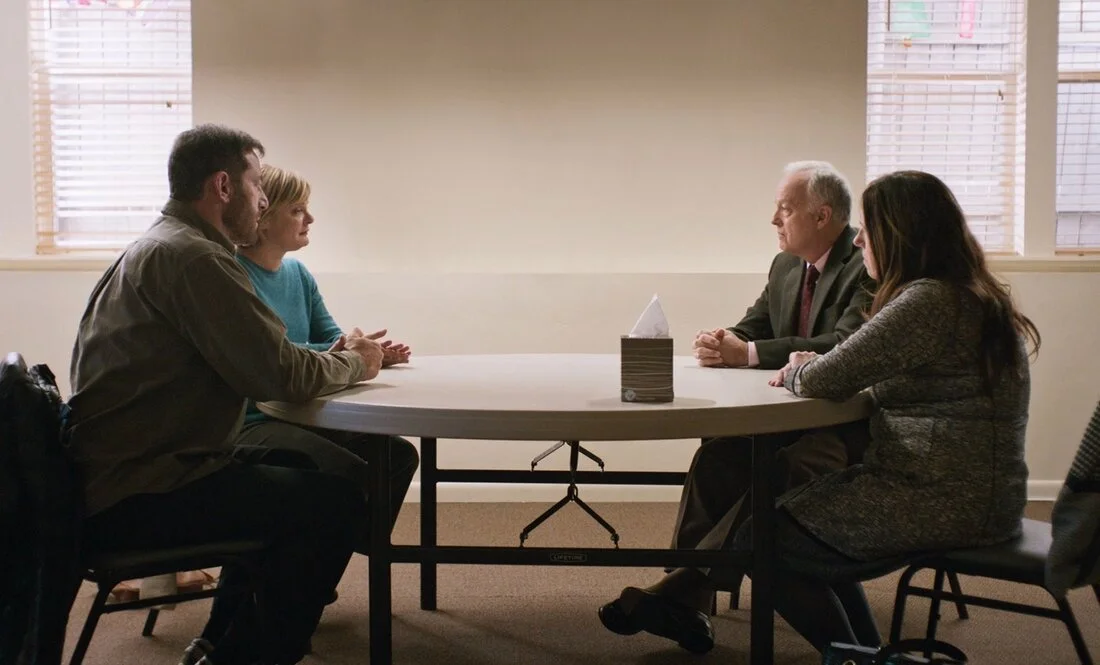
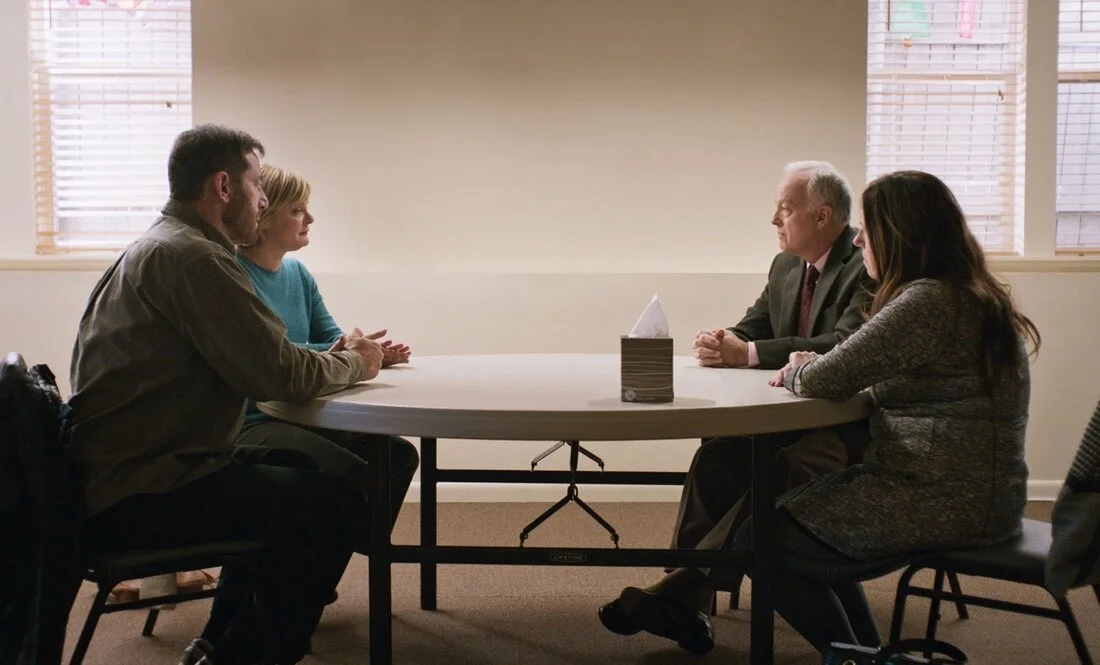
Fran Kranz’s searing directorial debut Mass explores the aftermath of a school shooting from the different perspectives of two couples in mourning. A conversation piece through and through, Mass is carried by four powerful performances of heart shattering magnitude. Set almost entirely in one room, the dialogue takes center stage with a fly-on-the-wall level of intimacy. Jay and Gail (played by Jason Isaacs and Martha Plimpton) agree to meet with Richard and Linda (played by Reed Birney and Ann Dowd) to gain a semblance of closure after a tragedy involving the sons of both sets of parents. Everyone wants to heal. Everyone wants to move forward with a cathartic release. Is this meeting how to go about it? The families’ stories play out in the vein of a stage production, with each actor ready to partake in the collaborative exercise. While the stagy directions interrupt the flow of conversation at times, the magnificently openhearted ensemble cast make Mass a resonating punch in the gut. It’s a moving story about grief, forgiveness, and the unflinching emotional journey towards acceptance.
The film opens with the interior of a church, a calm before the storm as a back room is being set up for what’s bound to be an emotional conversation. Judy (a totally endearing Breeda Wool) arranges for a table with some chairs in the center; coffee and snacks tucked away at another table in the corner. She constantly asks if this setup is ok, if they’ll need anything else. Kendra (Michelle N. Carter), a mediator for one of the families, rearranges the chairs so that two are on either side of the table. She places a tissue box in the center. There’s an air of uncertainty hanging over the room. The details in Mass say so much. The lived-in buildup to the main event of this film creates a lot of tension and nervous anticipation for four-way dialogue. There’s an awkwardness and hesitance when both couples walk into the room. While Mass is of course a dialogue-heavy piece, so much is said in what the characters are suppressing. It’s understandable for them to awkwardly step around the traumatic incident that has brought them together in the first place. Each of their grief manifests in different ways. How do they begin addressing the grief they have experienced for years?
The conversation takes shape in a way unbeknownst to everyone in the room. All they know is what happened, and how they feel about it. The characters are developed through the pieces of their lives that they choose to share with one another. Kranz trusts the actors entirely to carry a conversation with small details, silences and glances. Through their performances, the aftermath of the shooting are revealed. Public statements (and lack thereof), lawsuits, and letters fall under emotional scrutiny. One of the strongest features of this film is that it unfolds from a place where life has come to a halt. Mass is about four people in a room, each bringing their own perspective to the table which moves the conversation in often erratic ways. At its worst, the dialogue feels a little too staged and orchestrated. But ultimately the choreography of words falls in line with how each character walks into that room with some impulse to say their piece. Even if it may not come out the way they envision.
Jay and Gail walk in full of blame in their hearts. Ready to assign Richard and Linda with the burden of guilt. For years since the shooting, Jay and Gail have understandably vilified this other couple to the point of not considering them as capable of human emotion. Richard and Linda walk in with fear and uncertainty scattered in their eyes. It’s a compelling contrast to Jay and Gail who appear to have a more purposeful approach, wanting answers that Richard and Linda don’t have. All four performances excel at capturing the unspoken tension and differing manifestations of heartache. Jason Isaacs delivers far and away his best performance to date. A seething fissure of emotions that stuns when reaching the surface. Being less familiar with Martha Plimpton’s work, her fantastic performance is a great reminder of her talent. You can tell that when Gail walks into the room, she’s doing so with purpose in her eyes. But over the course of the conversation she loses grip on how she’s going to achieve any semblance of a satisfying outcome. It’s heartbreaking to watch. Reed Birney has the least showy role of the quartet, which makes his work even more impressive as his impact is quietly devastating. Then there’s the great Ann Dowd. A magnetic force of nature who somehow outdoes herself as Linda, revealing new depths of her talent especially when in one-on-one correspondence with Gail.
Fran Kranz’s direction lives in the moment and stays with the characters. There are no flashbacks to the past, a smart move on Kranz’s part. Once the conversation begins, the only break from the room is an occasional image of a mountain landscape; front and center, a ribbon tied to a fence is drifting in the wind. It appears and reappears in what feels like random moments. In retrospect, perhaps a ribbon of awareness, a symbol of love and support without uttering a word. Often with grief it is hard to find the words to explain its all-consuming nature. Mass excels at showing people from opposite sides of a tragedy come together for one moment in time when healing and forgiveness feel possible. There is no telling how their future correspondences will be, and while each individual has their own process, the power of seeing them hold onto one another’s words in the remnants of grief is so deeply moving. Driven by four tremendous performances, Mass is an urgent writing-directing debut sparking resonating conversation and empathy.
Mass releases theatrically across Canada on October 15th.
‘The Capote Tapes’ Review
October 25, 2021
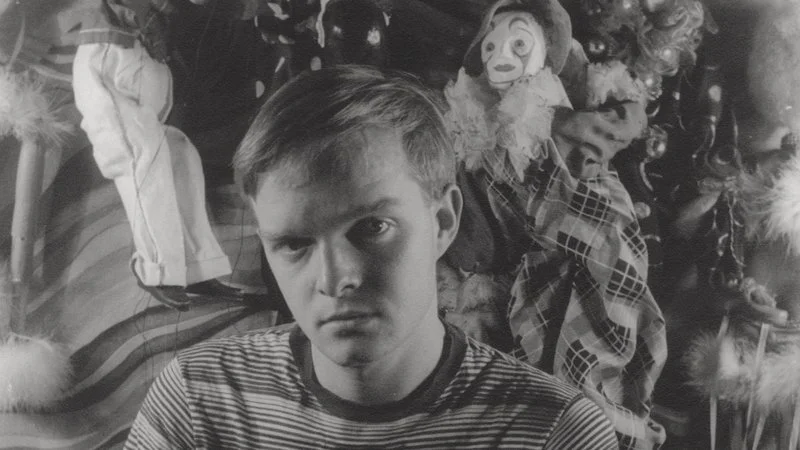
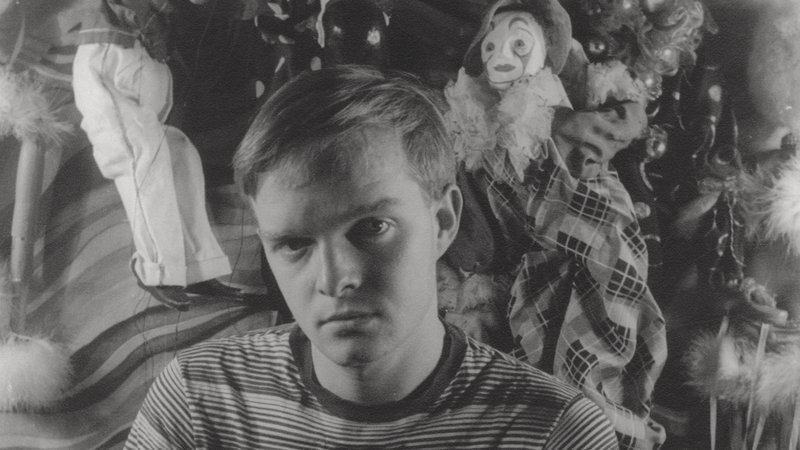
When George Plimpton wrote his biography of American novelist Truman Capote, he collected hours of taped interviews with Capote himself, as well as “friends, enemies, acquaintances, and detractors.” The tapes feature a who’s who of literary and celebrity circles, the very company Capote both kept and critiqued. The fascinating life and career of Truman Capote gets the biographical doc treatment in The Capote Tapes, which for those such as myself who are mostly unfamiliar with his work, is an enjoyable scattering of memories. Using Plimpton’s never-before-heard audio footage as the backbone, filmmaker Ebs Burnough spans Capote’s tough beginnings, vulnerable circumstances, and meteoric rise to a world among gossiping socialites and literary influences. At the core is the subject’s influence and works, including his final unfinished novel Answered Prayers, widely considered a precursor to reality TV and pop culture gossip. The Capote Tapes is a well-made chronicle of a public figure that, while overwhelming with material, retains plenty of mystery about its subject.
The Capote Tapes weaves through the bustling New York social scene populated by some of America’s most influential public figures. Front and center is Capote: novelist, screenwriter, playwright, actor. His short stories, novels, and plays have seen screen adaptations including Breakfast at Tiffany’s (1958) and In Cold Blood (1966). The documentary glosses over the immersive research that went into building his novel In Cold Blood, focusing more on the manuscript that would never fully come. Only three chapters of Capote’s sought-after Answered Prayers were posthumously published…excepts of a novel nowhere to be found, or one that doesn’t exist? One of the brightest spots of The Capote Tapes is focusing on this enigmatic piece. Answered Prayers was seen as Truman biting the hand that fed him, but really he was immersed in high society as a writer. The humor in his writing spoke of being near them not because they led particularly interesting lives, but because he could write something from it. Contempt is said to bleed through when he writes about the unhappy rich and famous.
Answered Prayers becomes an interesting facet of this documentary. Capote’s former friends, who are heard earlier speaking very highly of him, then express disappointment and hatred at him because of how he writes about them. The broken trust and feelings of betrayal build to a point of exile in his life. From unraveling on national television, to drinking and drugs at Studio 54, the spectacle of Truman’s life is a subject often touched upon by Ebs Burnough. Even more so than the writer’s career and literary works. While featuring compelling tapes from former friends, high society members, admirers and observers alike, The Capote Tapes suffers from an overwhelming amount of material. The documentary is pulled in so many different directions, moving its center around and lacking a clear focus. The floating heads of family members and friends each have their own piece to say, but ultimately contribute to multiple threads that don’t fully come together. What the documentary does make clear is how enigmatic and interesting Truman Capote’s life was. Similar to his final novel Answered Prayers, The Capote Tapes has unfinished business. The missing pieces are found not from Ebs Burnough’s lens, but live on in the life Capote led, in the works he left behind.
The Capote Tapes opens on VOD/Digital in Canada on October 26 through levelFILM.
‘Last Night in Soho’ Review
November 3, 2021
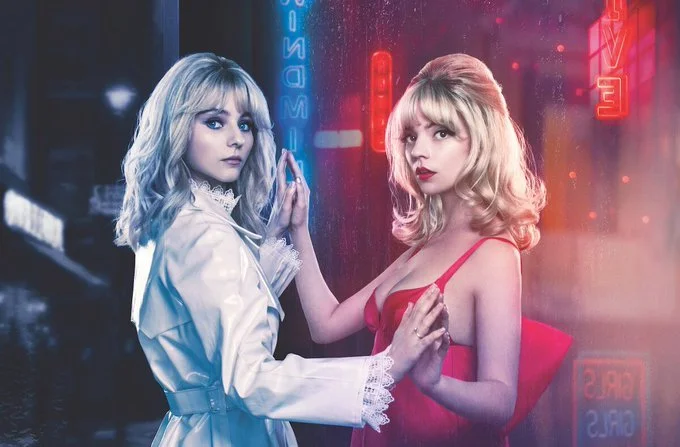
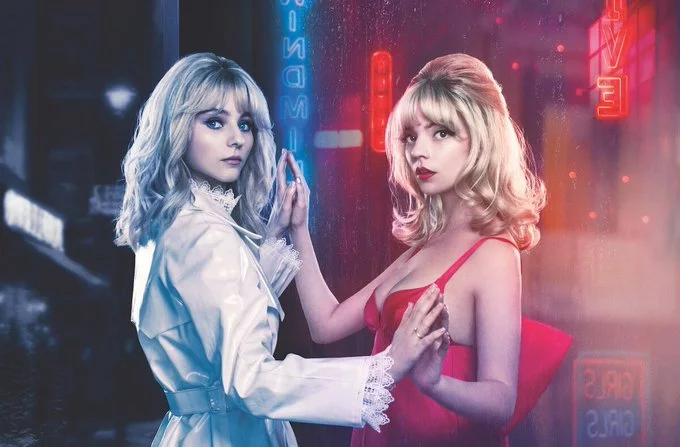
Things aren’t so great when you’re downtown in Last Night in Soho. Edgar Wright’s latest film is a mishmash of homages to eye-popping, twisted European horror-thrillers. Dario Argento’s Suspiria comes to mind with the vibrant colors, creepy exterior locations, and visual motifs of glamorous characters in dazzling settings. The story follows two young women from different eras of London whose lives collide like a nightmare come true. Aspiring fashion designer Ellie (Thomasin McKenzie) travels from the English countryside to attend a prestigious design school in present-day London. Feeling out of place among her dorm roommates, she rents a flat on her own. At nightfall in her new place, she is mysteriously able to enter the 1960s, where she meets a wannabe singer named Sandie (Anya Taylor-Joy). Through vivid visions, Ellie finds inspiration for her work in fashion. But the allure of 60s London is not what it appears to be. As the truth about Sandie comes out, Ellie is wanting desperately to save her from her troubles. Dangerous ideologies and years of patriarchal oppression cause a deeply unpleasant chain of events that haunt characters through the swinging 60s and contemporary gloom. But the clashing of worlds only accentuates Last Night in Soho’s lack of a coherent core to bring ideas together.
Edgar Wright blends exaggerated mystery with campy giallo horror, and uses interesting mirror imagery to show a seamless transition between two eras. The visual contrasts between present-day and 60s London are well-done. The former has a grey and gloomy atmosphere, while the latter turns on the bright lights and swirls of colorful backgrounds. Pops of color often dazzle the screen when the eras blend and nightmarish elements begin to haunt Ellie’s waking life. As for why Ellie is given a window into this period of time, that is a mystery. Ellie is on the brink of a new opportunity in fashion. She’s in a brand new city, and her visions of Sandie provide a muse for her sketches at school. But all goes horribly wrong when the visions become more grizzly and disturbing. Wright explores the seedy underground of a nightclub where young women are being exploited and mistreated by gross, violent men. Among them Jack (Matt Smith), who promises Sandie a successful stage career and watches callously as she falls into an upsetting and enraging series of incidents that the romanticized era sweeps into silence. Ellie’s visions pull back the curtain with troubling implications and circumstances. The more parallels she finds in the present-day, the more she latches onto Sandie, wanting so desperately to save this young girl from danger.
The mirroring identities of Ellie and Sandie feel like a half-realized idea that never truly reaches fruition. While the concept makes for strong visual sequences, there is a disconnect between the imagery and progression of the characters in this story. Wright’s over reliance on ambiguity encourages most of the characters to go in vague directions. By the end of the film, there is so much left unsaid about Ellie and Sandie beyond the plot devices they are more in service of. The disappointment in not getting to know more of Sandie in particular leads to a climax that falls flat in its impact. Though with talent such as Thomasin McKenzie and Anya Taylor-Joy, both do their absolute best to bring the characters to life in a memorable way. To a greater extent and with more to do, McKenzie continues to impress with another strong performance. Tayloy-Joy is a star channeling the mystique of old Hollywood glamour. Plus there’s a great overall ensemble, including the late Diana Rigg who shows what an effortlessly magnetic talent she was. The cast embrace the rollercoaster of Last Night in Soho, with far more lows than highs, and its final-act silliness.
The subjects of sexual exploitation and entertainment industry horrors are handled in a questionable way. There is a lot going on thematically that Wright addresses, but the messily handled story undercuts the weight of these subject matters. The story builds to an underwhelming turn of events, lacking the penny drop effect that Wright appears to be going for. The characters of Last Night in Soho become more and more like background pieces. The film misses the opportunity of spending more time with Ellie’s insights. What she’s going through mentally, particularly after the loss of her mother, is greatly overpowered by Wright’s stylized choices. While the style makes for some neat swinging 60s sequences, Last Night in Soho gets lost with how to tell a coherent story.
‘Belfast’ Review
November 14, 2021
“No matter how far you go, you never forget where you came from.”
The 1969 riots in Northern Ireland saw an outbreak of the Troubles, a period of political and sectarian violence between Catholics and Protestants. Belfast was the scene of much conflict. During a week in August, the destruction of homes and businesses in the capital city led thousands of families to evacuate. In fear of what would become of their communities, in fear of losing their lives. What people left behind was not just violence, but also a sense of home. A place in which many laughs were shared and sweet memories were made. The people of Belfast left the only place they know. The experience of this conflict is told from a child’s perspective in the film Belfast, written and directed by Kenneth Branagh. By focusing the narrative on young Buddy (Jude Hill), Branagh draws from his own childhood in a loving way, full of a desire to understand what his parents went through. Belfast gives an ear to all the conversations and events surrounding Buddy that lead one family to make a huge sacrifice for a better life. Branagh’s bittersweet ode to family and belonging is heartwarming to watch. It's one of the most enjoyable films of the year that leaves you wanting more time with the characters.
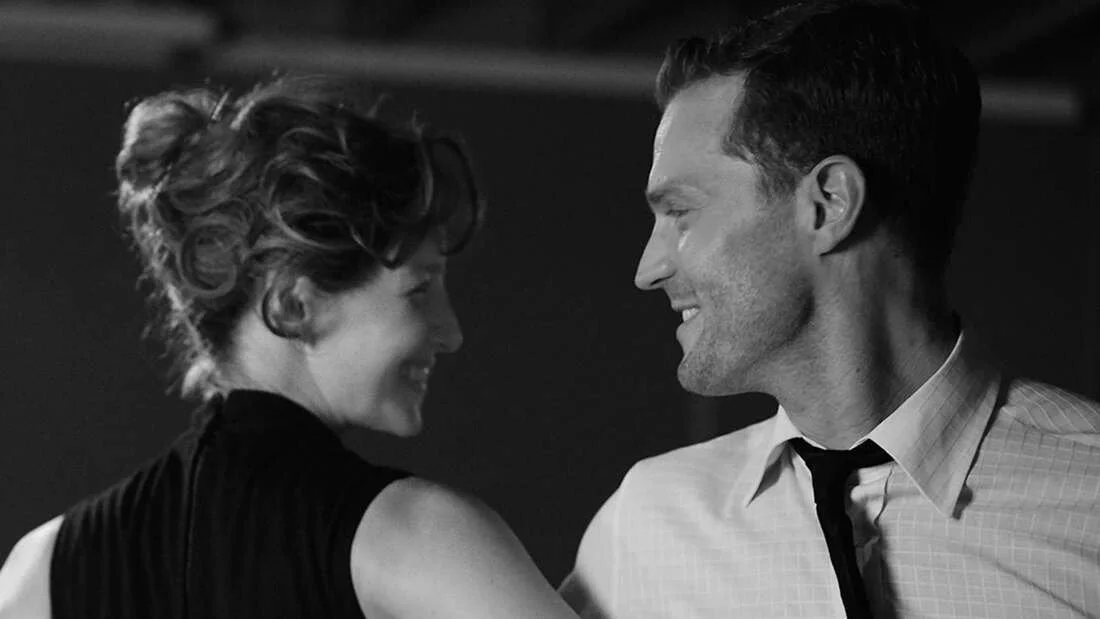
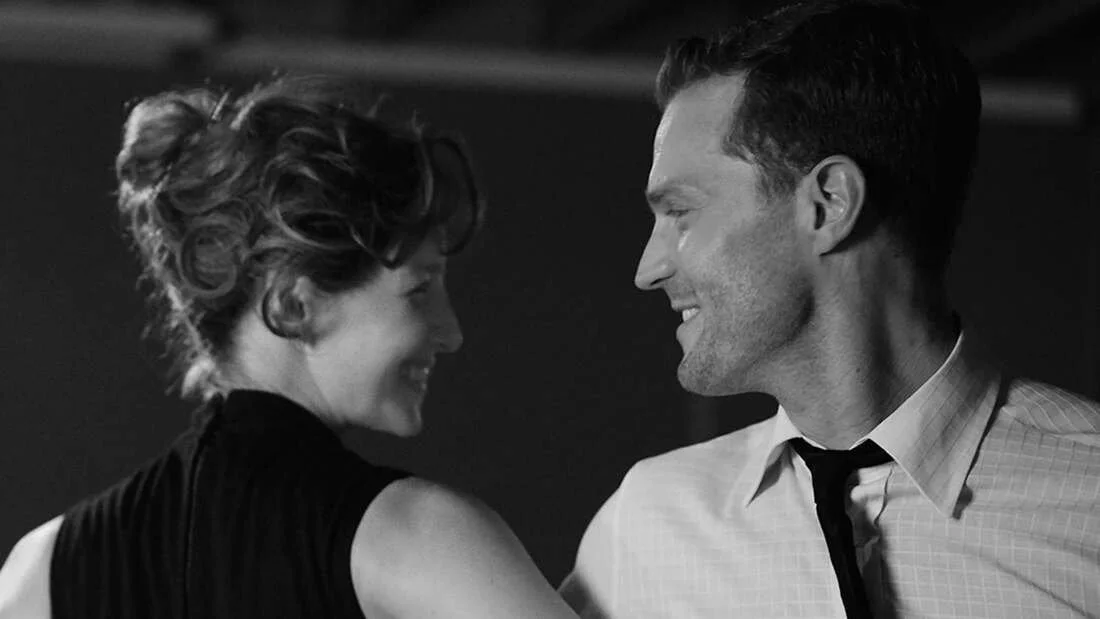
Buddy (Jude Hill) lives with his working-class family - Ma (Caitriona Balfe), Pa (Jamie Dornan), brother Will (Lewis McAskie), Granny (Judi Dench), and Pop (Ciarán Hinds). Buddy lives in a place where everyone knows his name. That the brothers are given personalized names, while the adults have names the children would call them, is one of many details putting the viewer as a fly on the wall inside a family’s home from a child’s point of view. Branagh gives a lens to what makes their house a home, from the recurring moments Buddy watches Westerns on TV, to the intimate family conversations shared…the good, the bad, and the ugly. As Pa works in England, returning to visit every 2 weeks, Ma holds down the home front with support from Granny and Pop. The family do their best to keep an eye on the children, and also want to give them a normal childhood where they can run and play in the neighborhood without fear. But when violence breaks out at their front door, the reality of the Troubles is near inescapable.
Based on true events from Branagh’s childhood, the film is his most personal yet as he recreates vivid memories from an inward place of vulnerability. Branagh and the entire cast put their heart into crafting an intimate experience that is every bit hopeful in the face of conflict. The story has layered details that seem tiny and fleeting, but this is where life happens. From day-to-day conversations with Granny and Pop, to Buddy’s school crush, and magical wide-eyed nights out to the theatre. This is where comfortability and acceptance grow, making it all the more tough for Buddy’s family to decide leaving a place where everyone knows who they are. Pa’s urgency to move is met with Ma’s resistance to uproot the entire family and sacrifice the home they have built.
Amidst the religious and political tensions, this is a story about a family surviving. Part of that is how they find a source of joy in each day. The film has some cheerful sequences, from movie outings to a musical number of ‘Everlasting Love’ performed by Jamie Dornan. Belfast has a shorter runtime than expected, and it would have been great to see Branagh lean more into the musical aspects because ‘Everlasting Love’ is such a burst of warmth. It’s a reminder of unconditional love and how often the relationships between family members can be taken for granted. The music in this film is great all around, featuring songs from Belfast-born Van Morrison which adds to the atmosphere of childhood. The beautiful black and white cinematography by Haris Zambarloukos makes the film look like a nostalgic memory, and transitions to a few pops of colour in fitting moments.
The film’s depiction of a tumultuous time stretches beyond a single incident. Instead of writing a story that builds up to one climax, Belfast is about the range of memories made in all the moments between. Branagh does a great job building on what makes Belfast home to Buddy. Nine-year-old Jude Hill carries the film so well, with innocence and humor, and a moving outlook on wanting to keep his family together. The supporting cast are gems to watch, with standouts in the performances by Caitriona Balfe and Ciarán Hinds. Both take what could have been generic roles and bring so much detail to them, with a lived-in quality that makes them instantly feel like family. The entire cast share such genuine emotional chemistry and deep down convey that no matter what happens, no matter the hardships they go through, they will always be a family. As the character of Pop advises to Buddy, as long as he knows who he is, he will never forget where he comes from. Belfast is a love letter to the place where your heart lives, one that is unforgettable and true. Branagh’s film is for the ones who stayed, the ones who left, and the ones whose lives were lost.
Belfast is now playing in theaters across Canada.
‘She Paradise’ Review
November 21, 2021
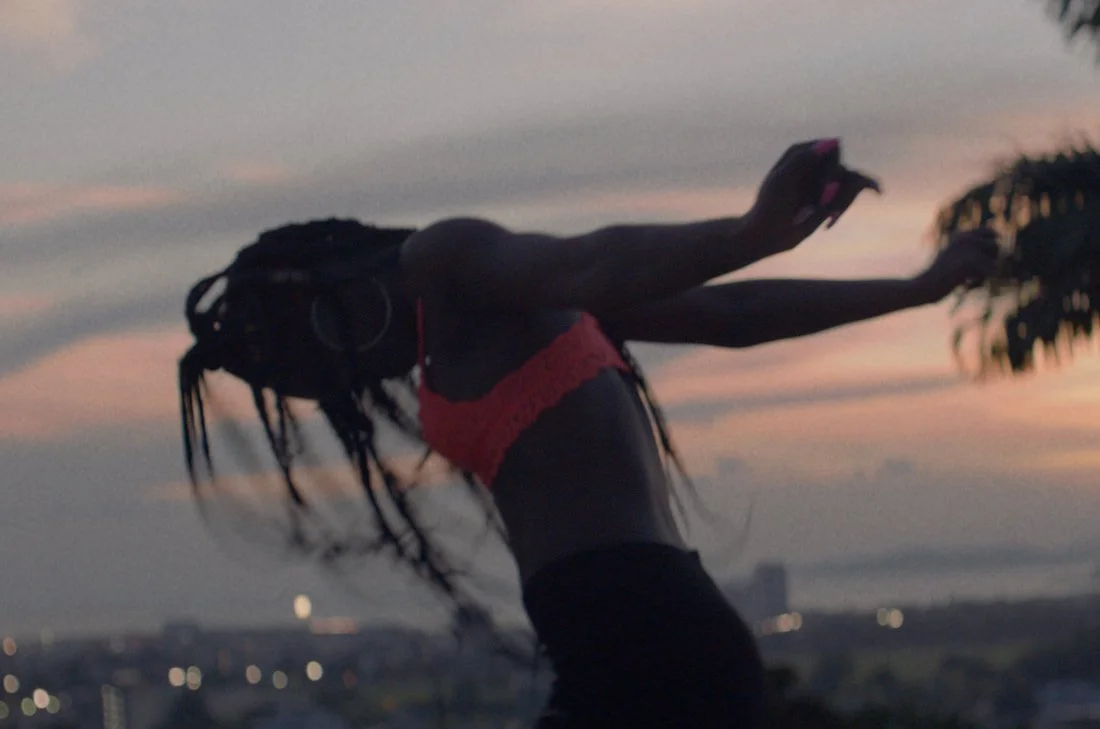
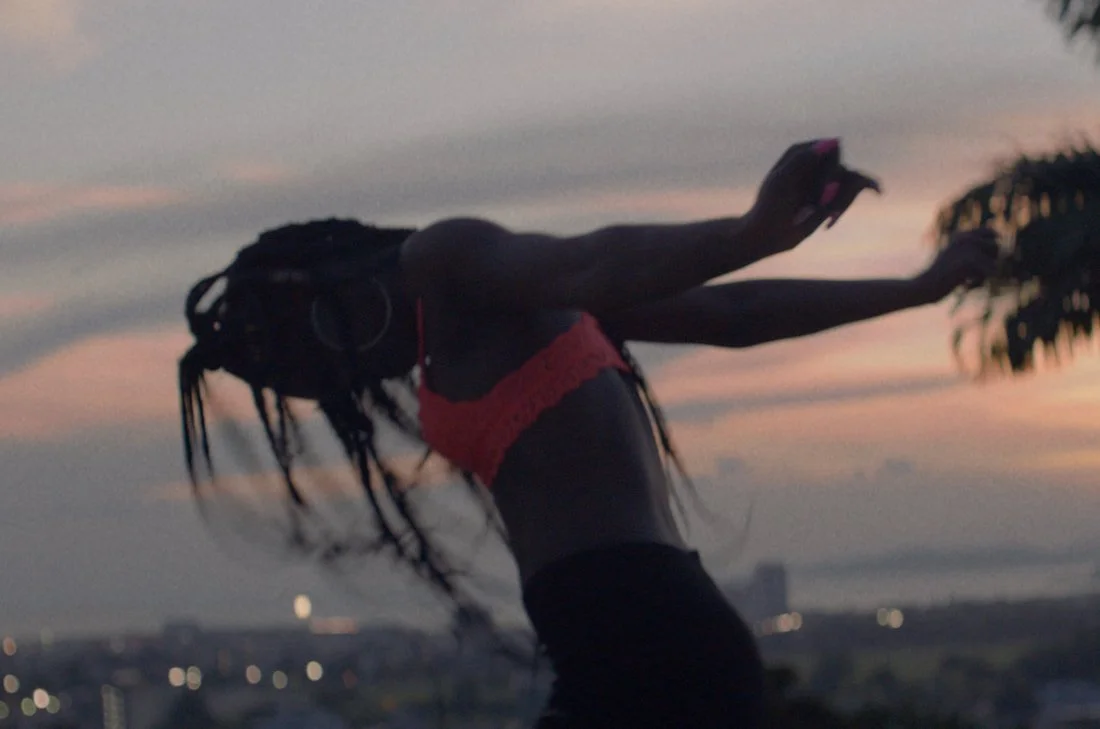
She Paradise is a coming-of-age story of new beginnings and unexpected encounters in the scene of soca-music dance. The film is the directorial feature debut of Maya Cozier, who follows up her short film of the same name and re-casts Onessa Nestor as the protagonist. Sparkle (Nestor) is a teenage girl who stumbles upon a free-spirited dance crew. Among the dancers are Diamond (Kimberly Crichton), Shan (Denisia Latchman), and Mica (Chelsey Rampersad). Altogether they step into the seemingly glamorous setting of music videos and nightlife. Keeping a watchful eye on Sparkle’s late nights and frequent time away from home, her Papa (Michael Cherrie) lets his frustration be known. The path to become a soca-music dancer is a lot harder than Sparkle first reckoned. Unsetting encounters with abuse and exploitation are at the core of Cozier’s film, which has a haunting message even though the runtime is far shorter than desired. She Paradise explores an intriguing set of dynamics shared between girls who are trying to follow their dreams and look out for one another at the same time.
Set in Trinidad, She Paradise is a story of personal discovery and growth. Sparkle is in a complete whirlwind from the moment she looks upon a group of dancers, wide-eyed and eager to join. Her character is intriguing to watch precisely because she steps into a new environment with confidence, and subverts other dancers’ expectations at every turn. The screenplay, co-written by Cozier and Melina Brown, makes a point to feature moments in which Sparkle surprises her surroundings. She makes decisions that reflect self-protection. She has a strong need to see her determination through in spite of what’s happening around her, in spite of how her actions can affect the other girls in the dance crew. The film introduces a complex character and interesting dynamics between the dancers, but doesn’t amount to a fully realized feature. Ideas spark on the surface and just when the story leans into the protagonist’s character development, the film ends. While there are plenty of benefits to watching films with a short runtime, and so much can be said within such time, She Paradise falls short by wrapping up the journey prematurely. On the one hand, reflecting on where Cozier ends her film stresses how refreshing it is that this coming of-age story has no resolution of any kind. The ending is the beginning.
The cookie-cutter narrative of coming-of-age films and their fairytale endings is not a path that She Paradise entertains. She Paradise walks a fine line between making friends and trying to survive in a ruthless reality. The group of girls at the center of this film find some comfort in sharing spaces. They are almost immediately connected and sense the dangers of what’s ahead. The film subverts expectations by leaning into the complicated dynamics between the female characters, teetering on jealousy but also wanting to shield one another. One of the disappointments from the film’s premature ending is not getting the opportunity to watch these relationships unfold in fuller capacity. The story is constantly moving in a flash, but She Paradise struggles to hold onto the urgency of its environment.
‘Wolf’ Review
November 25, 2021
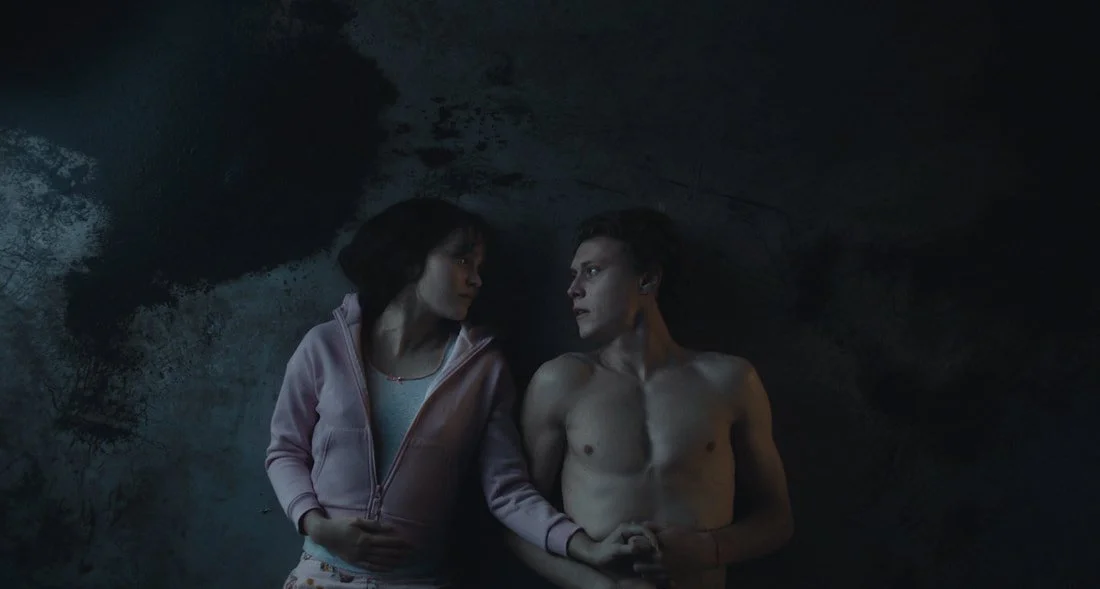
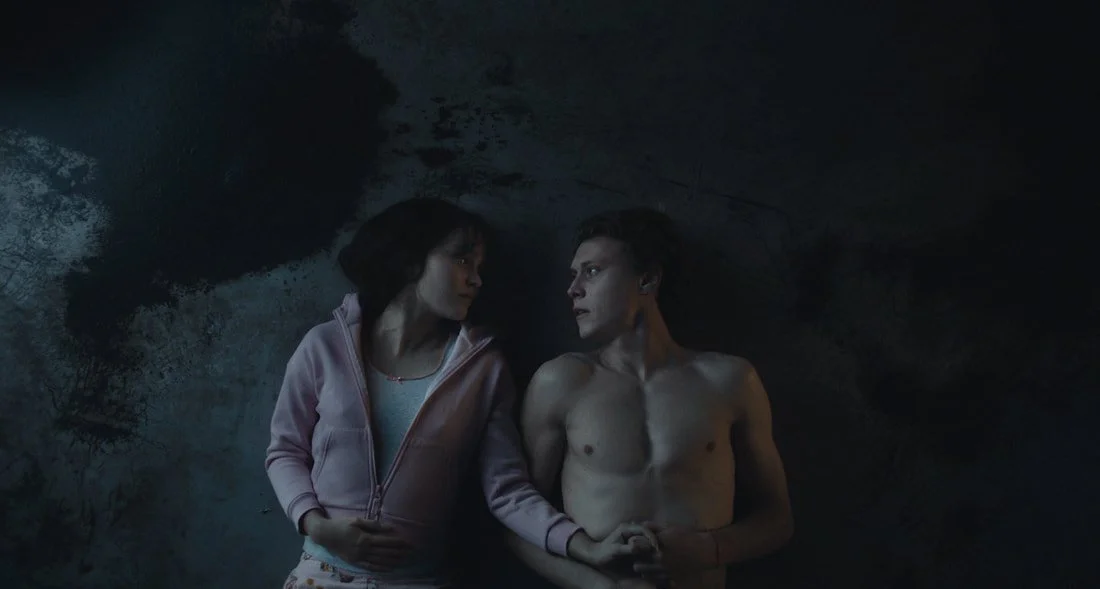
In the high-concept Irish drama Wolf, director and writer Nathalie Biancheri explores the subject of species dysphoria. The term references a psychological condition in which a person feels they are trapped in the body of the wrong species, generally an animal. Jacob (George MacKay) believes himself to be a wolf inside a human body. His family sends him to a clinic, where he is forced to undergo extreme “curative therapies” at the hands of The Zookeeper (Paddy Considine). As these so-called treatments grow more disturbing, the only solace Jacob finds is in the enigmatic Wildcat (Lily-Rose Depp), with whom he roams the clinic grounds in the dead of night. Cloaked in darkness and bellowing a resounding howl, this is the only time of day Jacob feels like his true self. Given the air of hopelessness in Jacob’s parents during a visit to the clinic, this place feels like a last resort to “correct” a disorder. The film presents this world in a serious way. The Zookeeper (a scary-good Considine) is free to do as he pleases, taking extreme measures in the name of “treatment”. Biancheri meets serious subject matter with a careful, no-nonsense approach. But perhaps a little too careful, given the more daring ideas she has at play that come and go. George MacKay’s totally fearless performance at the center of Wolf sets a bar the film can’t keep up with.
At the clinic, Jacob shares a communal space (designed like the interior of a prison) with a handful of patients who also have species dysphoria, each identifying as a different animal. There’s German Shepherd (Fionn O’Shea), Parrot (Lola Petticrew), Squirrel (Darragh Shannon), Horse (Elsa Fionuir), and Annalisa/Panda (Karise Yansen) to name a few. Wolf takes an empathetic approach in forgoing the need to explain why everyone is assuming their identities. The reality is that they simply are, and each has done something (unspecified in the film) that led their families to put them in the temporary care of The Zookeeper. He decides when each patient is ready to be released back into the world. Conflict arises whenever he and clinic staff (doctors, nurses, therapists) intervene, often to implement therapy designed to push patients to the absolute edge in order to achieve a breakthrough. In one instance, Parrot (Lola Petticrew)’s feet are held down atop a window ledge as The Zookeeper vehemently encourages her to jump out the window and fly. Using her refusal to jump as proof she’s a girl, not a parrot. The film has quite a few scenes such as this moment, ones where forced tactics are on display, and builds to a terrifying sequence of mockery.
Biancheri’s script tries to balance the patients’ identity journeys with the terror they’re experiencing, but feels aimless in deciding on what story to tell. Wolf lingers in memory as melodramatic, with some daring choices made along the way to subvert expectations. When all is said and done, it’s tricky to find a thread to really connect with outside of MacKay and Depp’s work in the film. One of the more consistent elements of Wolf is that the actors are on the same page with the director’s approach. The cast bring a grounded quality to the characters, and never veer into caricature territory. Most impressively George MacKay, who gives one of the best performances of the year. Jacob’s journey and bond with Wildcat grow as the core of this film, and MacKay commands the screen with startling physicality. He’s wrestling with an internal ferociousness, and his uncomfortableness is palpable. From the way he moves and contorts his body, to the sounds he makes, the actor reaches a level of commitment that sets the bar high for his screen partners. Depp gives a great performance as Wildcat but disappointingly, her character becomes more and more of a plot device. Considine’s character veers into similar territory as well with a more stereotypical character. The Zookeeper is a question mark, and Considine plays him to frightening effect.
Though uneven and a little too melodramatic for its own good, Nathalie Biancheri’s Wolf engages in some thought-provoking ideas when it comes to approaching species dysphoria. Subverting expectations of a YA genre film, she latches onto a psychological drama and brings a grounded perspective to telling the story. Instead of exaggerating the animal identities, there is a frankness and directness to the approach. The production design and cinematography have a cold, sterile look, mirroring how The Zookeeper and most of the clinic workers operate. There’s no warmth. All the uncertainty about the patients’ futures puts Jacob and Wildcat in conflict, butting heads about the meaning of survival. For Jacob, life is not just about surviving the day, but surviving authentically as he was born to be, and he is willing to jump into the deep end. While Wolf doesn’t reach its potential heights, the film has a strong backbone in George MacKay.
Wolf had its world premiere at the 2021 Toronto International Film Festival, and will arrive in theatres across Canada on December 3.
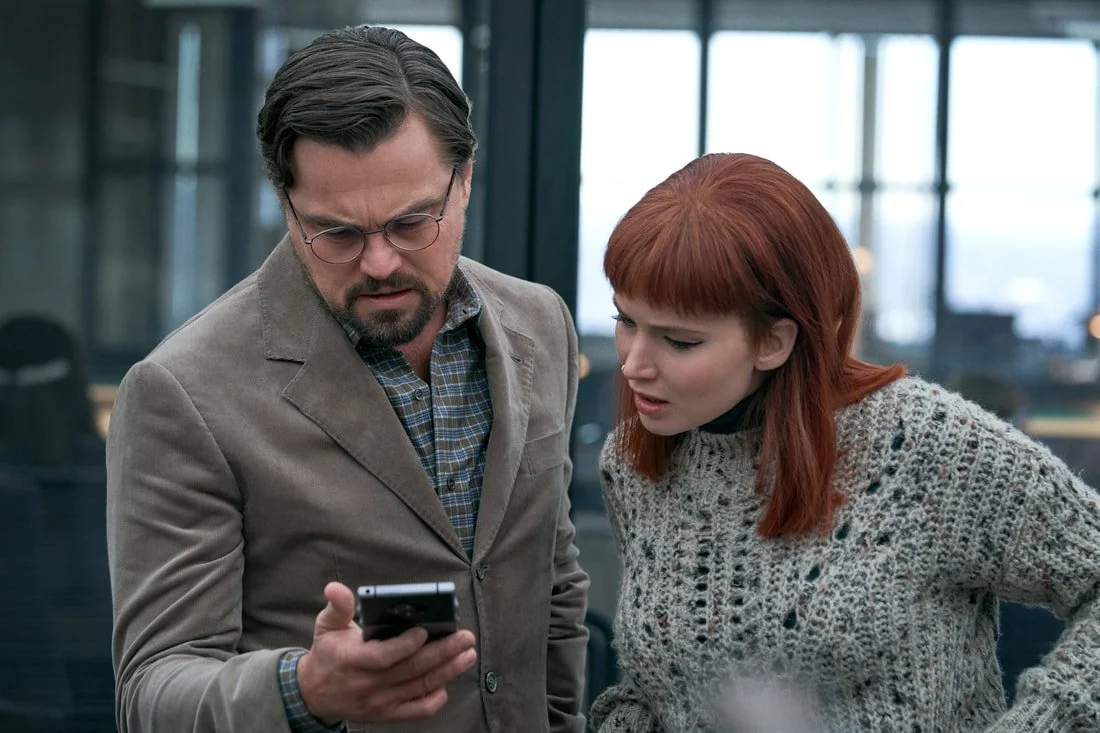
‘Don’t Look Up’ Review
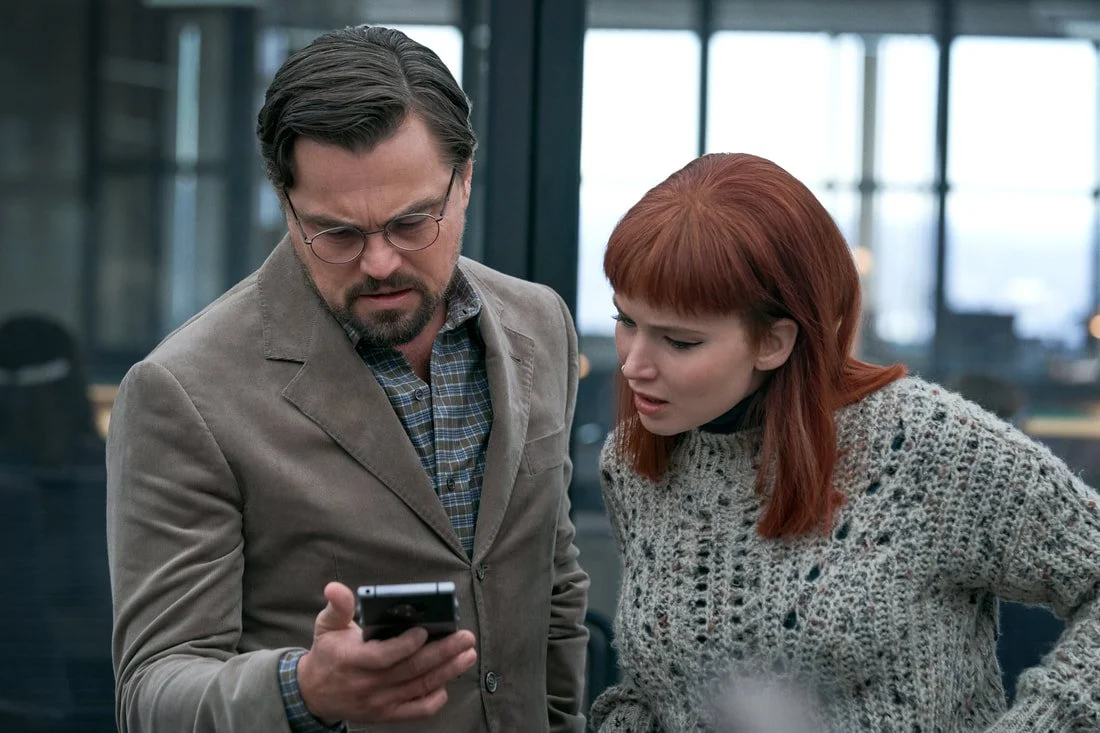
December 7, 2021
Don’t look away. Adam McKay has something big to say, or at least he thinks he does. His latest star-studded film Don’t Look Up is his most self-aware, and a step up from his most recent work. There are funny moments throughout, though the rhythm of his humour takes a hit from an overlong runtime and some truly tone-deaf moments. The film vibes best as an anxiety-inducing drama, about those who have reached a boiling point and those who think the water’s fine. McKay sets the story in the eye of a sprawling media storm. Upon the discovery of an approaching comet, two astronomers (played by Leonardo DiCaprio and Jennifer Lawrence) must weather an exaggerated publicity tour to warn humankind planet Earth will be destroyed. Despite the catastrophic consequences, the two are met with an unbelieving and dismissing attitude. Much to their bewilderment, and depressingly much to no surprise. McKay reiterates and mocks the real-world frustration of delusion drowning out science. The overwhelmingly passive response to urgent climate concerns becomes the running joke of Don’t Look Up. As entertaining as it can be to watch the satire play out, it’s more a chilling and terrifying film than anything else.
Don’t Look Up continues McKay’s foray into more dramatic narratives. It’s a bonkers satire and, in on-the-nose fashion, tries to challenge the question of what will it take to get the world to just look up. Do the repercussions need to be exhausted and blown to mega proportions? How much louder do scientists, astronomers and co. need to get? How long are they going to play the talk show game? McKay’s flashy cuts between a constellation of stars emphasize not only what’s at stake for humankind, but the blatant inaction from powers that be. The film opens with a discovery by grad student Kate Dibiasky (Lawrence): a comet is on a direct collision course with Earth, and there are six months until impact. She alerts her professor, an on-edge Dr. Randall Mindy (DiCaprio), and their next course of action is to tell everyone about it. Starting at NASA with the help of Dr. Oglethorpe (Rob Morgan), Kate and Randall embark on a media tour ready to share their findings with people who don’t want to hear it. They float nervously from the oval office of President Orlean (Meryl Streep) and her silly Chief of Staff/son Jason Orlean (Jonah Hill), to the chirpy morning show The Daily Rip with hosts Brie (Cate Blanchett) and Jack (Tyler Perry). Facing stiff competition such as an impromptu pop star engagement, Kate and Randall are swept under the 24-hour news cycle and struggle to gain the general public’s attention. The film plays out as expected; the more these astronomers stress how serious this comet is, the more frustrated they get, the more their pleas fall on deaf ears. What is McKay really accomplishing here? Besides repeating the obvious, he goes the satirical route and bombards the screen with enough not to look away for a second. What sticks? An entertaining cast that help carry a flawed story to a surprisingly heartfelt conclusion.
Don’t Look Up has more stars than the sky, and all of them deliver performances in ways ranging from grounded to outrageous. McKay’s biggest coup is getting Leonardo DiCaprio to co-star, alongside Jennifer Lawrence, as the anchor. DiCaprio’s performance as Dr. Randall Mindy features many of the qualities that make him one of the most talented actors. His physical comedy is delightfully coupled with an ability to fly off the handle in a feverish rage. He grounds the character amidst the surreal swirls of bullshit flying around him. Randall gets hit along the way, and DiCaprio conveys that ease of getting caught up in new experiences just for the sheer newness of it all. His performance gives a reliable anchor for the film. A lot of the characters are working against Randall’s current as outrageous obstacles.
One character on Randall’s wavelength of fed up and tired is Kate (Lawrence), whose frustration is palpable. Lawrence really doesn't get much to work with here, but she gives a enjoyable performance with a funny running joke that hits the mark every time. With an ensemble as massive as Don’t Look Up, there are bound to be actors you wish had more moments to keep shining. Two of them are Melanie Lynskey (playing Randall’s wife June) and Rob Morgan (playing Dr. Oglethorpe), both of whom have pitch perfect line delivery. They each have such an inviting screen presence that just lights up the screen. Lynskey has a great scene when June breaks down Randall’s ‘care package’ and throws it in his face. Then there's Cate Blanchett in a league of her own, her magically unhinged performance making every scene more exciting. Meryl Streep, Jonah Hill, and Mark Rylance are fun yet disturbing to watch. Their characters are truly frightening. Timothée Chalamet comes in at the right time to lift the film from dragging further. He brings great spontaneity and spirit to his small role. The film has a strong entertaining ensemble, it’s just that so many of the characters are moving in such unimaginative circles most of the time. The dinner table scene in the final act is such a big highlight of the film, because it gives a seat to real conversations and breaks up with McKay’s self-aware approach. Given the obvious direction he relishes in along the way, Don’t Look Up has a surprisingly poignant conclusion that engages in emotion that's lacking up until this point.
A balancing act of tones isn’t strong enough to maintain the film’s nearly two and a half hour runtime. The sprawling story feels rough around the edges and strangely incomplete. McKay exhausts his approach to the point where it feels like the film is going nowhere, despite a lot of character-driven absurdist action going on. But at the heart of Don’t Look Up is the horror of real life, that there is so much misinformation distorting truth, that the climate crisis is considered by so-called leaders as a “sit and assess” type of situation. Randall is the main catalyst character for which a collective simmering frustration reaches a boiling point, and DiCaprio has an enormous meltdown scene that he plays with frightening urgency. McKay hits or misses when juxtaposing the horror with the ridiculous; at times it feels tone-deaf and makes light of so much. But when it comes down to the despairing moments of watching characters express their frustration, that’s when the film feels most alive. Even more so whenever Nicholas Britell’s score kicks in. The jazzy, spirited music sounds like something born from a sparkling constellation. It is lovely, and so memorable.
When the shine of the film’s bright spots wear off, the aftermath of the film lingers more unfavorably. It’s bombastic, sometimes enjoyably, sometimes exhaustingly. As the stardust settles, it’s Dr. Randall Mindy, June Mindy, and their family who resonate most. Even though June and the kids don’t have much to do, it’s the genuine emotion and grounded nature they bring to the story that gives the film a foundation. Especially for what the story builds up towards, and how there needed to be that nucleus for characters to return to. Ultimately Don’t Look Up feels like a lot of conflicting juxtapositions in one film and can be exhausting, but there are some shining stars to be found in the performances, and in the way McKay channels the act of squeezing a stress ball onto the screen.
Don't Look Up lands on Netflix December 24th.
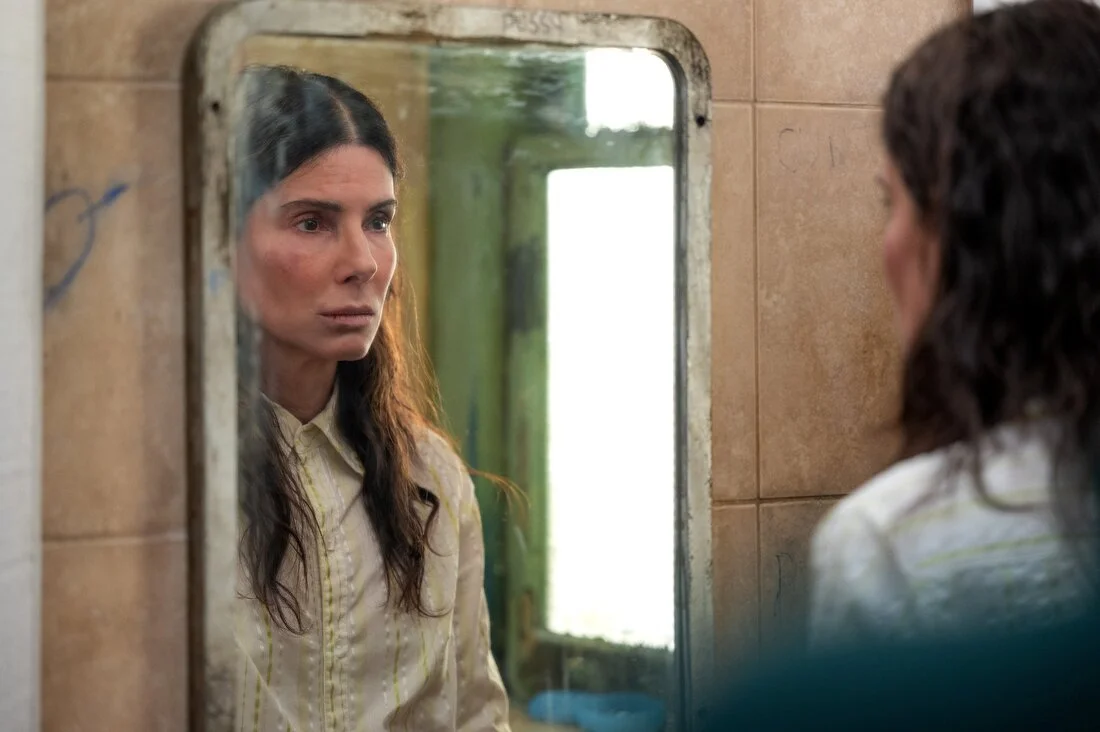
‘The Unforgivable’ Review
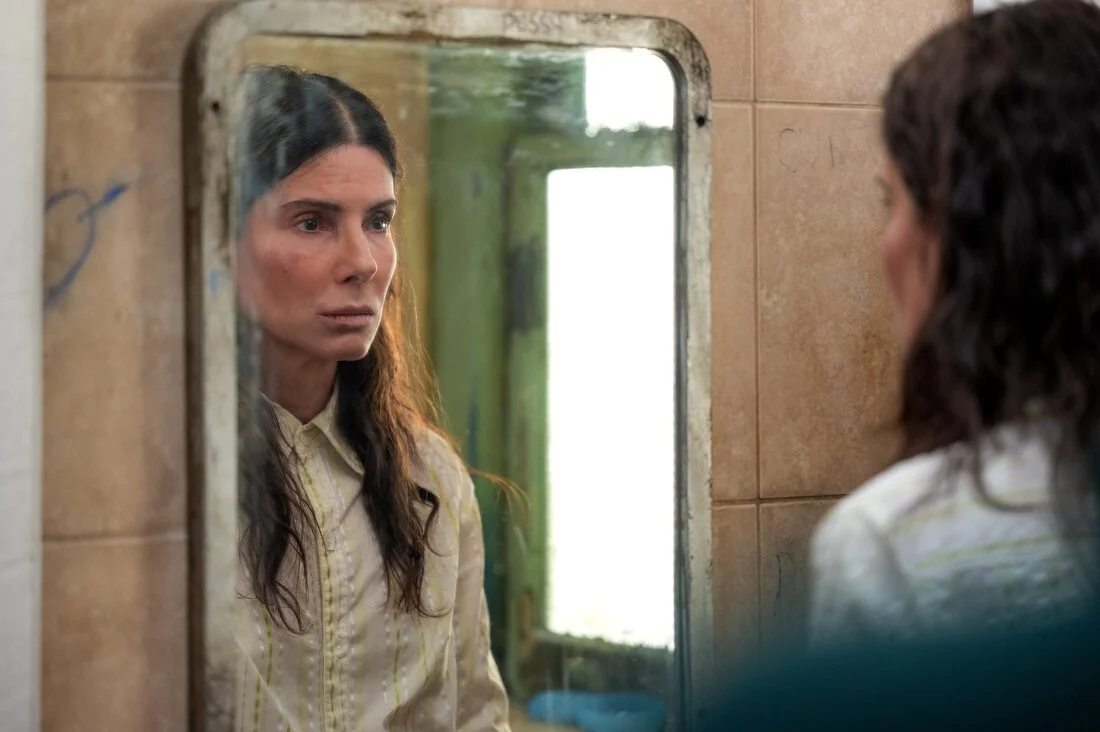
December 9, 2021
Nora Fingscheidt’s drama-thriller The Unforgivable tells an intriguing story of privilege and socioeconomic status. While focused on the story of one woman’s journey post-incarceration, the film weaves different perspectives from characters who each see this woman’s release from their own lens. Based on the 2009 British miniseries Unforgiven, The Unforgivable is about the pain of navigating the prison system and the outside world. Released from prison after serving a sentence for a violent crime, Ruth Slater (Sandra Bullock) re-enters a society that refuses to forgive her past. Facing severe judgment from the place she once called home, her only hope for redemption is finding the estranged younger sister she had to leave behind. In her efforts to reunite with Katie (Aisling Franciosi), Ruth faces one obstacle after another. Those whose lives were disrupted by the violent crime are now disrupted by her release into society.
The Unforgivable has a story of conveniently placed plots points to get characters from A to B. The story takes an interesting subject, a woman whose incarceration and release have a ripple effect on the only family she has left: her sister. Ruth is motivated by love; there is a push-pull between wanting to find her sister and not wanting to disrupt the life she now has with another family (having entered foster care system). Katie’s adoptive parents (played by Richard Thomas and Linda Emond) ensure she has a good life, but ultimately cannot erase the trauma Katie carries. She remembers the tragedy with Ruth in blurry bits and pieces; too young to fully comprehend at the time, but the experience has always been a part of her on a subconscious level. The film brings warmth to these flashbacks, a great detail that emphasizes how the love between two sisters carried on. If Ruth could just have Katie back, it would be like Ruth regaining a part of herself that’s been missing for 20 years. Carrying the weight of the protagonist’s history is Sandra Bullock, whose performance feels like a canvas of many women’s experiences.
Bullock goes on a journey of showing how incarceration affects Ruth, and utilizing the armor she has built around herself as a self-protective mechanism. Ruth’s steely demeanor is often contrasted with flashbacks of the events that led to her prison sentence. Films about ex-cons are so often centered on men; it’s refreshing to watch one led by a woman, and for Fingscheidt to explore some of the looming layers of the prison system that follow Ruth everywhere. Whether it’s a routinely check-in or a side-eye from a stranger, every moment carries an air of judgment. Bullock is great at conveying the deflection, tension, and solitude that has come to define Ruth’s new day-to-day. Given the powerful love she has for her sister, it’s clear what the driving force is behind her actions and this story. While compelling to watch Bullock play against type and exude a lived-in approach to her character, her commitment is let down by clunky writing and a jarring switch between story strands.
Somewhere in The Unforgivable is a potentially compelling story about systems, and the people who get lost in them. The prison system, the foster care system, the rehabilitation system. The pain of navigating them for women, and particularly women of color. The overwhelming expectation built within these systems that people are able to adapt between shifts. The ways in which not just women but women of color are affected by rules and regulations designed not to let them succeed. The film tries to balance how characters are impacted differently by these systems depending on privilege and upbringing. Scenes stressing Ruth has done her time and deserves another chance are juxtaposed with scenes that challenge it. Ruth’s path to re-entering society leads her to the scene of the crime: her home, which is now owned by the Ingram family - John (Vincent D’Onofrio), Liz (Viola Davis), and their two sons Ryan (Orlando Lucas) and Daniel (Jude Wilson). Unfortunately as is the case with many of the actors in this film, the talents of D’Onofrio and especially Davis are underused. John is a lawyer sympathetic to Ruth’s case and wants to help her situation, whereas Liz does not want Ruth anywhere near her family because of the woman’s past. Davis is fantastic as always but is let down by the screenplay. She and Bullock share a key scene that sheds light on the events leading to Ruth’s incarceration; the intended emotional impact falls flat. So much of the plot and Ruth’s character development had been rushed in order to reach this moment.
The Unforgivable has an over reliance on conveniency, an inexplicable stand-off, and a rushed twist that sends the story into lightning-mode frenzy to wrap up. The ending is one of the highlights of this film, but also feels like a missed opportunity in that it should have been far more emotionally resonating. The heart is there, and the consistency is there. Fingscheidt ties Ruth and Katie together often throughout the film by way of vivid and fragmented memories. But the story tries to pack too much in its runtime, and makes a panicky switch in the final act as though the filmmakers realized they had to find an ending. With enough material to stretch into a miniseries, a longer format may have done The Unforgivable more favours.
The Unforgivable is now available to watch on Netflix
‘The Boathouse’ Review
December 13, 2021
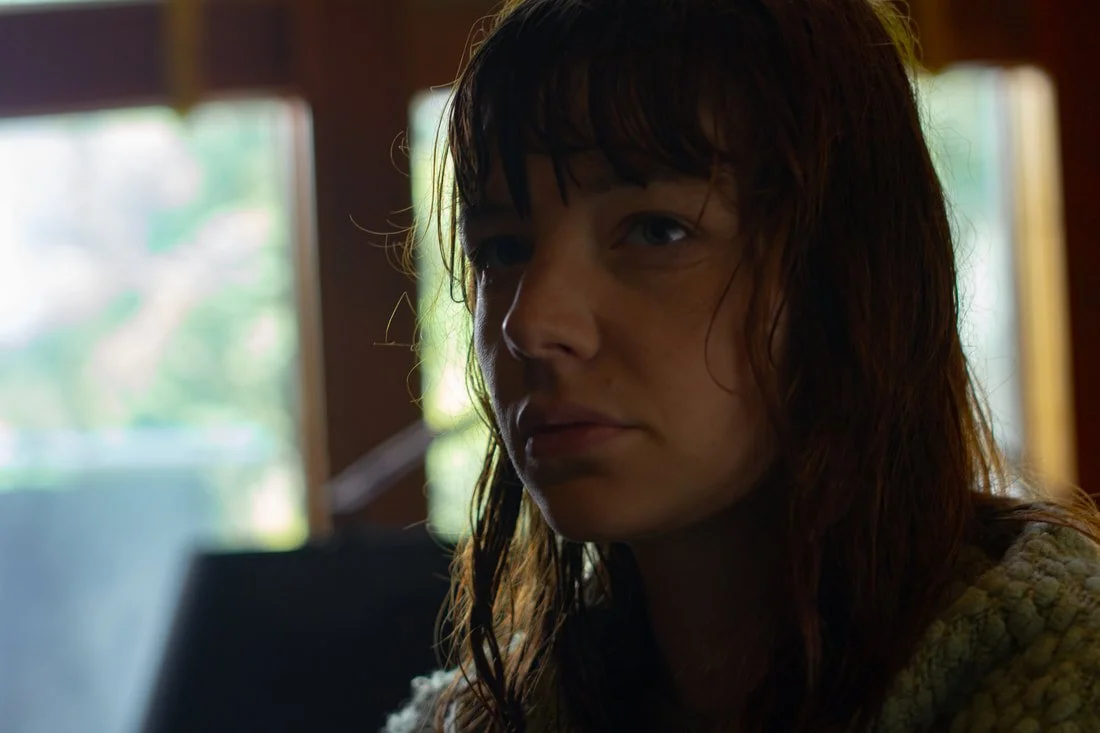
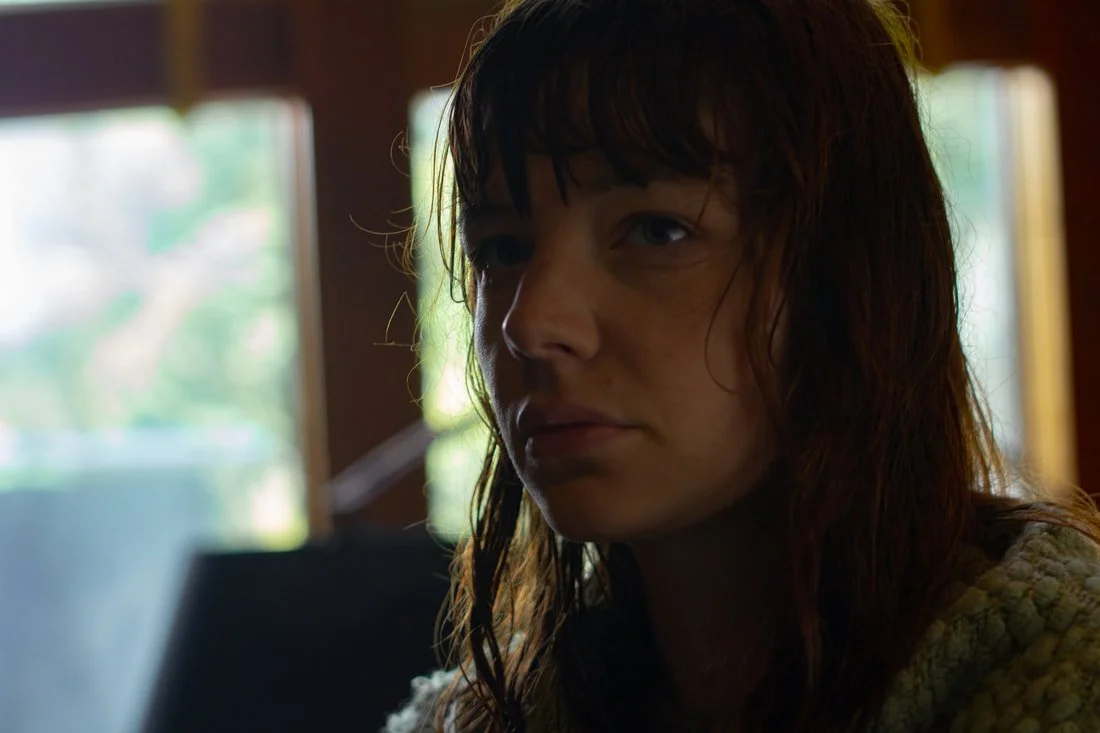
A remote summer cottage becomes the stuff of waking nightmares in Hannah Cheesman’s twisty drama The Boathouse. In this nightmare, a family’s dark history is awakened from slumber by suspicion. When music graduate student Anne (Michaela Kurimsky) takes a job as nanny to two children, she falls in love with the children’s father and becomes entangled in the disappearance of their estranged mother Natalia (Kelly Martin). As the summer progresses, Anne’s own history with Natalia resurfaces, and she begins to suspect that the family are hiding a dark secret. Who do you trust when you can’t trust yourself? The Boathouse exhausts the trope of using an unreliable protagonist to keep the viewer questioning what is true. Anne often struggles with sleep paralysis and sleepwalking. Fear and dread wash over her. She begins to hallucinate Natalia’s presence throughout the cottage. These scenes create a bit of tension in the air and establish a disheveled tone well. But the film goes for the most obvious directions to introduce a twist and wrap up the story. The Boathouse sadly loses its eerie, steady build and becomes an exaggerated mess.
Crucial to keeping the film together is Michaela Kurimsky’s performance as Anne. While her character is let down by a shoddily written screenplay, Kurimsky runs the gamut from inquisitiveness and anxiety to confidence and despair. Anne arrives at the summer cottage with a strong suspicion that something is wrong. The film starts promisingly enough to ignite interest, peeling back the layers of why Anne took the nanny job and the nature of her musical relationship with Natalia. The connection between the two characters makes for a potentially interesting story, yet the film avoids every opportunity to explore this in further depth. Their relationship is defined by moody imagery and a speckle of mysterious flashbacks, which doesn’t build a strong foundation to feel emotionally involved in how their relationship is revealed over time. Rather than explore the power dynamics between both characters, the film gets lost in a sea of exhausting tropes. One of which utilizes mental illness as a way of stressing that its protagonist cannot be trusted and/or shouldn’t be.
While Kurimsky fares well despite the messy plot development, the same cannot be said for her co-stars. It doesn’t help that Natalia’s husband Dominic (Alan Van Sprang) is an insanely underwritten character, but Sprang delivers in the most unsubtle of ways. The rest of the cast overact to distracting degrees. Though nothing is quite as disconcerting as the film’s soundtrack. Any intrigue scenes manage to conjure up is completely overpowered whenever accompanied by the high-strung, chaotic score. Beyond the elements that simply don’t work, what’s most disappointing about The Boathouse is its over reliance on outside influences. Echoes of Hitchcock’s Rebecca haunt the walls of the summer cottage. The film does a decent job creating an atmospheric environment, but struggles to carve out its own path. Instead, conveniently placed plot points and obvious choices of direction spell out where the story is going. Before The Boathouse has a chance to elaborate on an intriguing premise, a cliched screenplay takes the wind out of its sails. Thankfully the story has a strong anchor in Michaela Kurimsky, who is quickly made evident the prime reason to see this film for one’s self.
The Boathouse is now available on VOD/Digital platforms.
‘The Novice’ Review
December 15, 2021
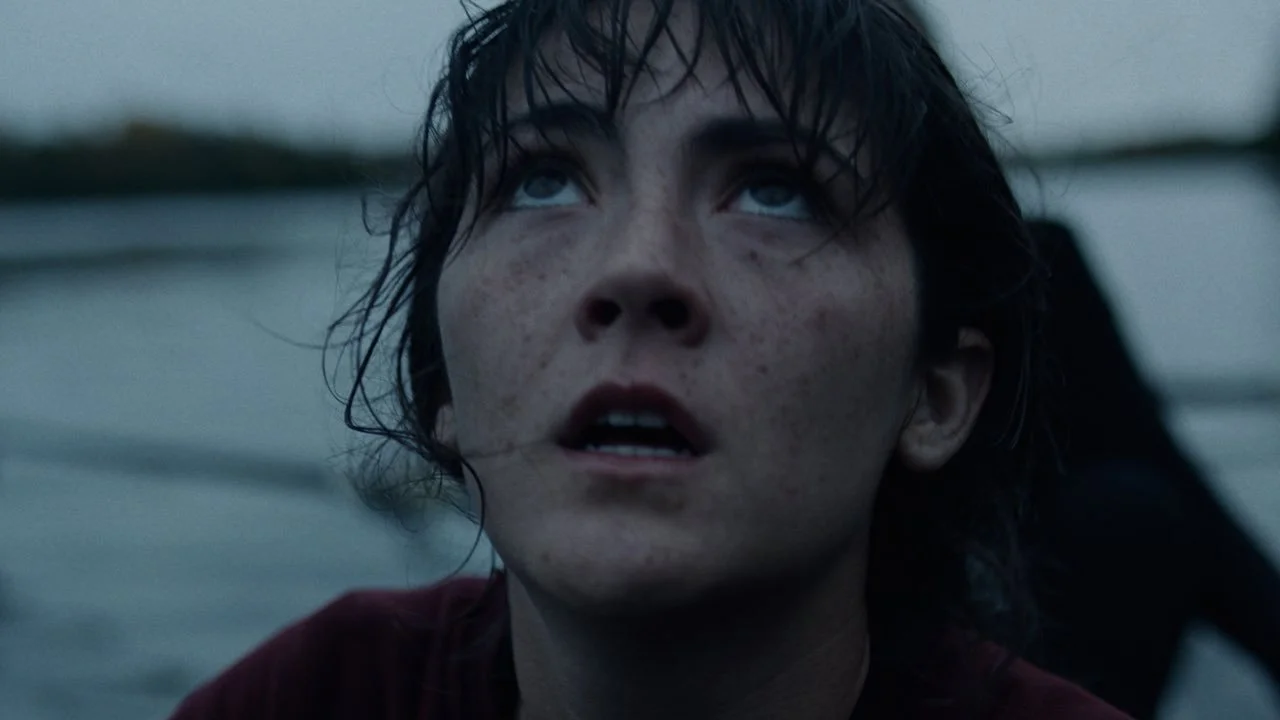
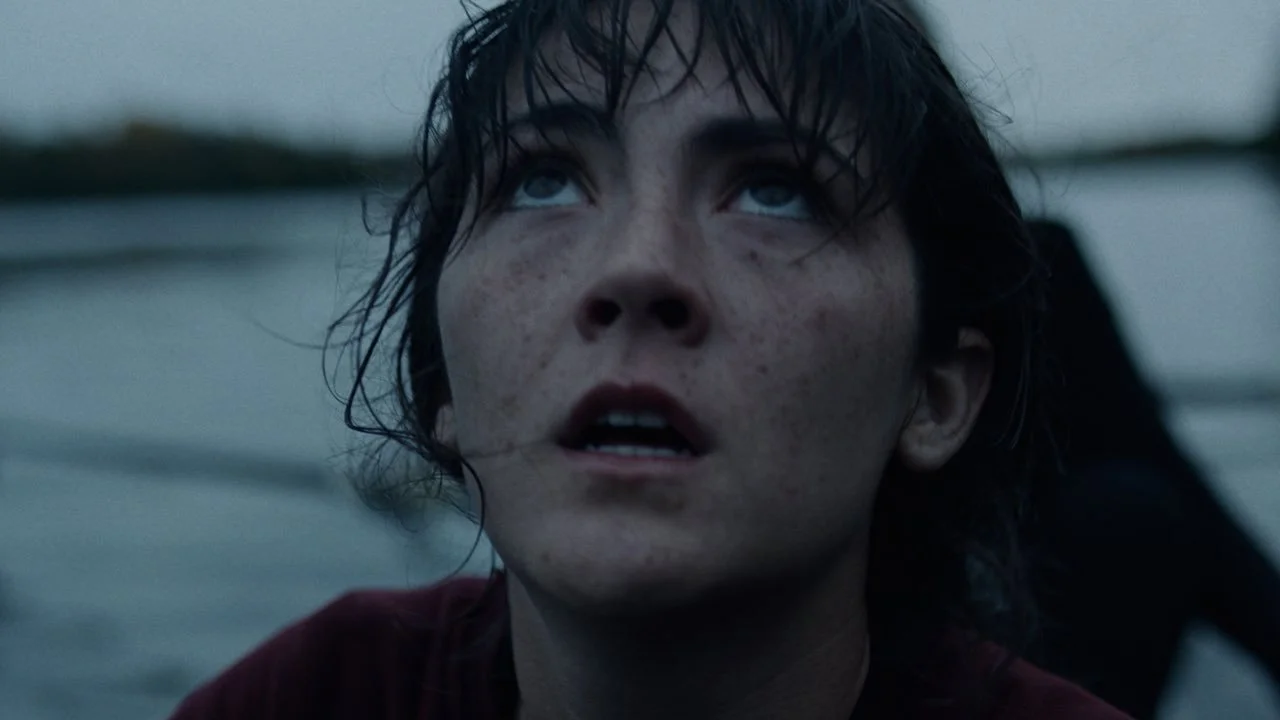
Writer/director Lauren Hadaway’s feature debut The Novice builds stamina from a powerhouse performance at the center. Isabelle Fuhrman plays Alex Dall, a college freshman who joins her university’s rowing team with the goal to make varsity in her first year. Alex will do whatever it takes to rise. Her determination reaches obsessive degrees as she pours her body and mind into competitive rowing. Her surroundings blur out of focus to make the sport center stage, and Hadaway wastes no time immersing into action as the camera chases Alex down a darkened hallway to an already-started rowing class. The words of Coach Pete (Jonathan Cherry) echo in her mind like study notes before a test: “legs, bodies, arms, arms, bodies, legs.” It’s clear from the start that Alex is ready to jump into the deep end, and that Lauren Hadaway has arrived as a filmmaker to watch. The Novice takes a remarkable ride on an obsessive psychological journey.
Hadaway crafts an intense character study and takes the plunge into experimental filmmaking to tell it. To feel Alex’s heart race, and to go on the journey with her like a fly on the wall, The Novice lets her emotions take control of the camera. From frantic classroom note-taking to early bird practices, the film moves to the rhythm of her drive. The imagery borrows from the characters’ lines to make words pop. The tense score boosts every heart-racing moment. The sound design is spectacular, turning a rowing practice into a dance of drive. The direction is sharp and sensory. Not a second goes to waste, which adds to the pulsating quality of the story. Alex doesn’t take a moment to rest, and neither does Hadaway. The camera movement is so laser focused on the protagonist, grabbing buzz words from background noise in the way that Alex picks up on them. She’s a note-taker, she’s a student, always striving for the right answers. While focused on the world of competitive rowing, the film does not neglect to show how Alex slips away from so many other facets of her world. One of which is a budding relationship with her class TA Dani (Dilone), and how the emotion of their love mirrors that of how rowing makes her feel. As a viewer, it feels like Hadaway dropped a camera on this character smack in the middle of navigating life. In this case, rowing is life.
By not knowing what exactly it is that’s driving Alex, the film constantly paddles from one unexpected gear to the next. It’s always a mystery what lies in store for her next, what motivates her to constantly feel the need to prove herself and be the best from the rest. While it’s clear rowing is Alex’s obsession, Hadaway’s screenplay is smart not to make this film a rowing film. It’s a character study, a multi-faceted look at how obsessive determination takes a toll on relationships; not just Alex’s relationship to her teammates and her girlfriend, but also to herself. The Novice is an experiment in pressing pause on self-care. It’s made clear from the start that while surrounded by many, Alex is the sole passenger. The film opens with a lone rowing boat in darkness; this is where Alex lives, and the film lives in her headspace. Alex leaves herself so far behind in a race to make varsity, a gentle expression of concern is enough to spark a staggering monologue (played brilliantly by Isabelle Fuhrman) that takes a peek into her need to be first. As she shouts “If everyone sat on their asses and did nothing, all of this would cease to exist,” it’s clear in this moment, the viewer doesn’t know very much about Alex Dall. But Fuhrman does, and her mystique as an actor is what makes her performance so constantly intriguing.
Fuhrman’s performance commands the screen down a feverish rabbit hole of tears, tension, charisma, and unwavering drive. Every moment of frustration, glee, disappointment, she runs the gamut and gives what is easily one of the best performances of the year. Fuhrman is in every scene, further cementing the staying power of the film. She channels obsession and hard work to carry an absorbing character study on her shoulders. Alex’s hunger to win is startling to watch, especially when the source of her determination is unknown. The unknowable is also a refreshing perspective to take. Hadaway does not need an explanation for the character’s desire, and Fuhrman compliments the sentiment perfectly with a performance that lives and breathes in the moment. Surrounding her is a great ensemble of actors including Amy Forsyth as friend/teammate Jamie Brill, who soon becomes competition. The film goes in a smart direction in exploring how Jamie and Alex naturally gravitate towards each other. They find a bond in that making varsity is a necessity, but it’s a necessity to them in completely different ways. A testament to the strength of imagery, Jamie is often surrounded by team players while Alex is totally in her head, in solitude, which makes the implosion of their relationship riveting.
The Novice moves at lightning speed and never fails to lose its grip. It’s a fully realized story reverberating with the confidence and passionate drive of its protagonist. The flow is masterful, each scene fueling from the previous to maintain energy. The story always feels electric and fresh, not offering a clear picture of what direction it’s going in. Isabelle Fuhrman is a force of nature, her commitment to Alex Dall a burst of energy, and a perfect source of stamina for Lauren Hadaway to work alongside. Together their collaboration makes The Novice not only one of the best films of the year, but one of the most memorable feature debuts in recent memory.
The Novice arrives December 17 on VOD.
‘The Tragedy of Macbeth’ Review
December 23, 2021
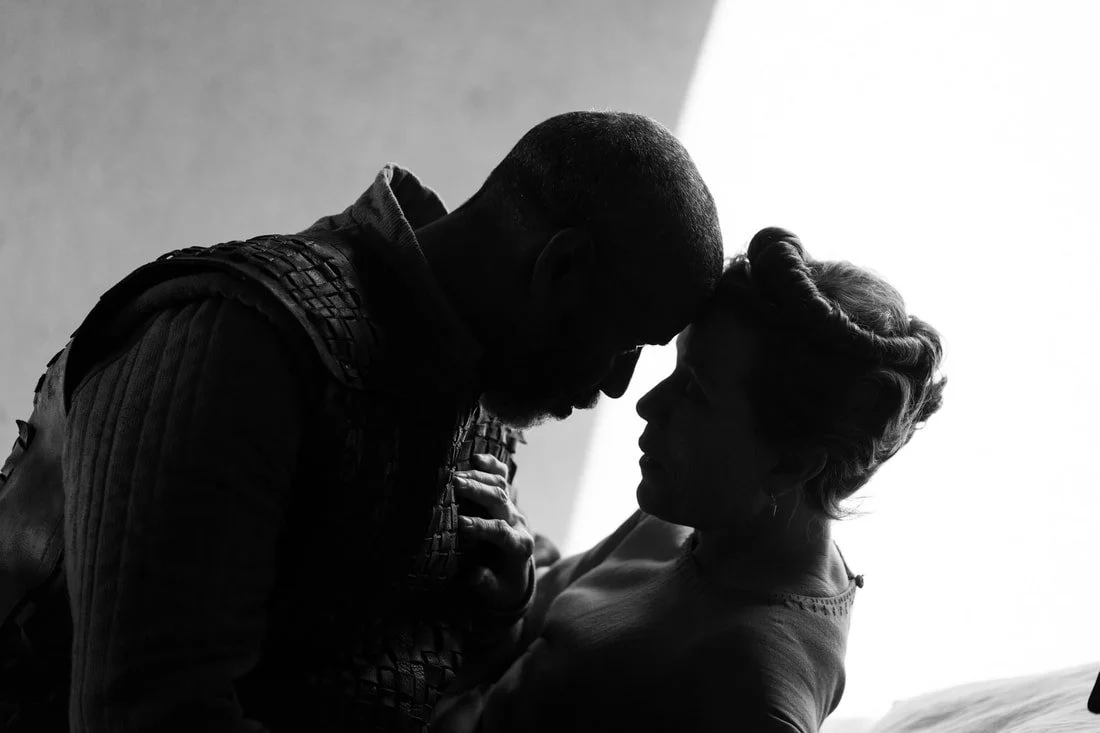
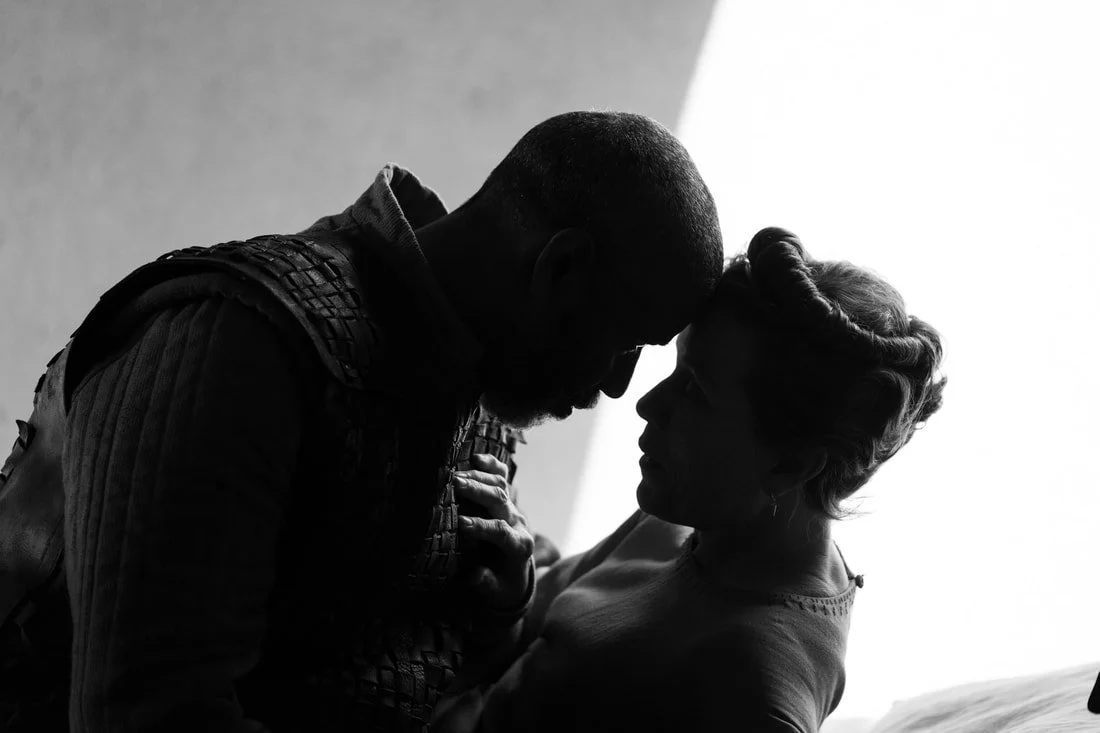
Something wicked this way comes…another reimagining of a Shakespeare play, with one of the Coen brothers at the helm. Joel Coen’s first solo directorial feature swerves the footsteps of countless Scottish Play adaptations and operates in a world of its own. For Coen’s vision is a precise reimagining that embraces its source material in a satisfying marriage of stage and screen. The writer-director finds cinematic weight in the Scottish Play, using minimalist sound stages as the canvas for this wrathful tale of ambition. Emotion takes center stage through the vessels of mighty performances, from Denzel Washington’s majestic Macbeth to Kathryn Turner’s frightening Three Witches. The actors bring commanding performances to surface, ready to play when the lights come on and giving their all before darkness falls. The Tragedy of Macbeth takes a long day’s journey into night in what feels like a continuous take, the transitions between scenes so seamless. It’s a bleak and witty adaptation, that may feel out of reach with heavy dialogue, but grows into an absorbing piece of visual storytelling.
The story begins with a foretelling. After receiving a prophecy from a trio of witches (Hunter), Macbeth (Washington) becomes convinced that he will soon become King of Scotland. He will make it so without a moment’s haste, as he doesn’t have much time. Consumed by ambition and encouraged by his wife Lady Macbeth (Frances McDormand), Macbeth plans precisely to take the throne for himself. The film opens to the cue of a beaming light switching on. A great sensory detail that automatically makes the viewer think of theatre. Characters are hatching plans and scurrying in what feels like a film noir rabbit hole, some otherworldly place where nothing else matters but action spurred by prophecy. Coen manages to capture the level of intimacy that can be felt watching a stage production, wherein magic comes from the performers being so present and in the moment. What he also does is capture the power of Shakespeare’s words, not by way of dramatic revision but by surrounding them with rich visual storytelling and a more-than-capable ensemble of mostly veteran actors.
Denzel Washington as Macbeth is remarkable casting. His charisma and presence are instant, a most compelling lead to carry this journey of ambitious cunning. Just by watching this character, it is crystal clear he carries the witches’ prophecy in his veins. Washington brings an all-knowing quality, a sense of being consumed by the power of fate. It’s a magnificent performance, one of his very best and among one of the most personalized Shakespearian portrayals. In the role of Lady Macbeth is another vet, Frances McDormand. She brings sparkling wit and shares in Washington’s all-knowing quality, which makes for another example of fine casting. Making it look easy, she traces her character’s intentions to a place of unraveling madness. Whenever McDormand and Washington share the screen, sparks fly watching two of the greatest living actors embody rich text in a way that looks effortless.
Though it’s expected McDormand gels with the direction of her partner, and it’s not surprising that the talent in this cast shine, it’s really a treat to watch how well everyone works with Coen’s vision. The Tragedy of Macbeth has a powerful ensemble, each actor shining regardless of how big or small the role. From Corey Hawkins (Macduff) and Alex Hassell (Ross) to Moses Ingram (Lady Macduff), there’s a sparkle in all their work here, and they leave anticipation for more greatness to come. Then there’s theatre veteran Kathryn Turner playing all three witches, otherwise known as The Weird Sisters. Turner’s performance is unlike anything I have seen on screen or anywhere. It’s such an immaculate and literally shapeshifting portrayal, from the depth’s of a nightmare. Her physicality is astounding and makes every contorting movement a marvel. Turner utilizes the quality of being all-knowing to a scary extent, pulling from a world known by no other. Coen’s visual storytelling compliments the entire cast as well. It’s so easy to feel absorbed by their actions and thoughts, of course a testament to their talent but also with the added weight of striking imagery.
The influence of 1940s movies is strong in Coen’s direction, especially given the ratio and transitioning between scenes as they bleed into one another. The Tragedy of Macbeth feels like a different, more experimental effort from the dark humor often found in Coen’s works. This is not to say his latest has none. He maintains a dash of silliness, not taking the Scottish play so completely seriously in every moment. In this story is the demise of fools, running to their prophetic futures as if there is no tomorrow. There is something about the setting of Coen’s production that makes it feel like an abyss, if you were to zoom out you’d see the characters scurrying for power in a grayish maze. With the use of minimal set design and lots of silhouettes, all the shadowing is gorgeous. Bruno Delbonnel’s cinematography gives a visual to night and morning being at odds. The score by Carter Burwell is brilliant; meshing with the sounds of footsteps, drops of water and blood, mirroring actions so well.
The Tragedy of Macbeth is told with such persuasion it’s easy to be swept away by Coen’s reimagining of the text. It’s a compelling adaptation with majestic performances, and remarkably minimal set design contrasting the weight piled onto characters’ shoulders. There’s enough material to feel totally consumed by their actions and thoughts as they scheme for political gain. It’s a stunning achievement that manages to tread a fine line between a stage production and screen adaptation, finding its own space for the performers to play. And play they do. When the light switches off and a flock of ominous crows take flight, comes the sudden realization that The Tragedy of Macbeth pulls off an impressive feat.
The Tragedy of Macbeth arrives in theaters December 25 and on Apple TV January 14.
TIFF 2020: ‘Shiva Baby’ Review
September 10, 2020
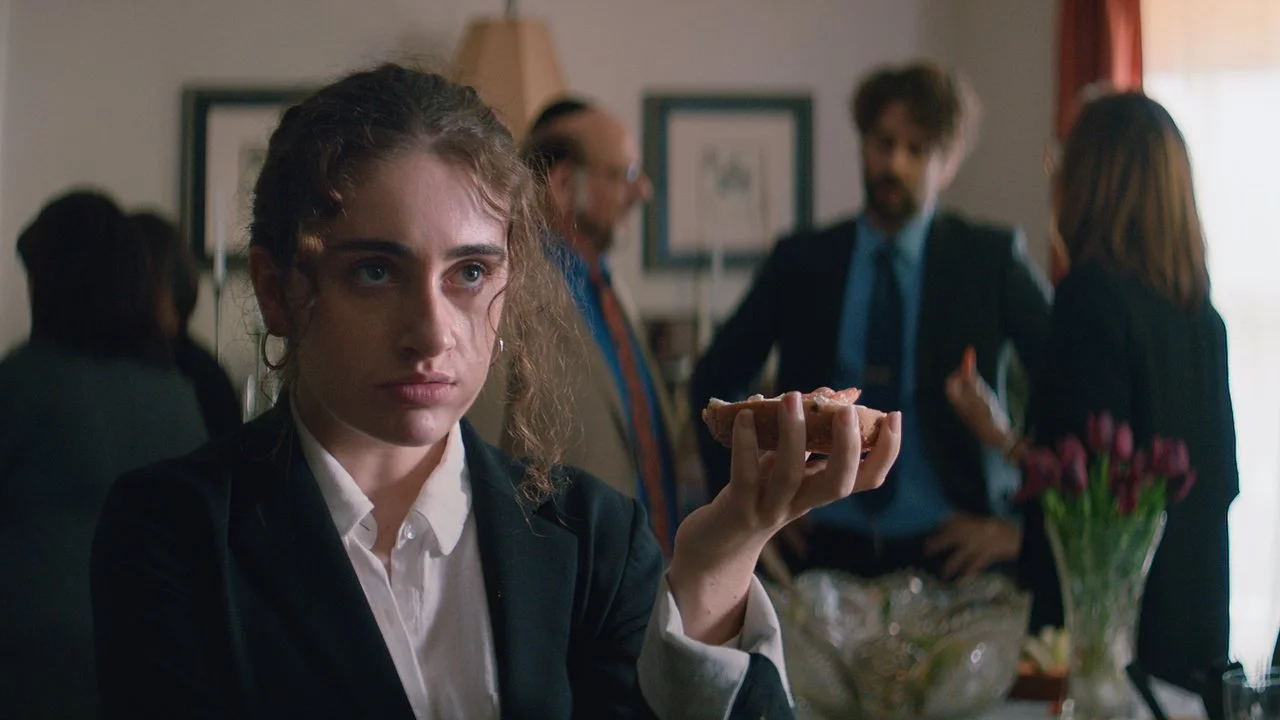
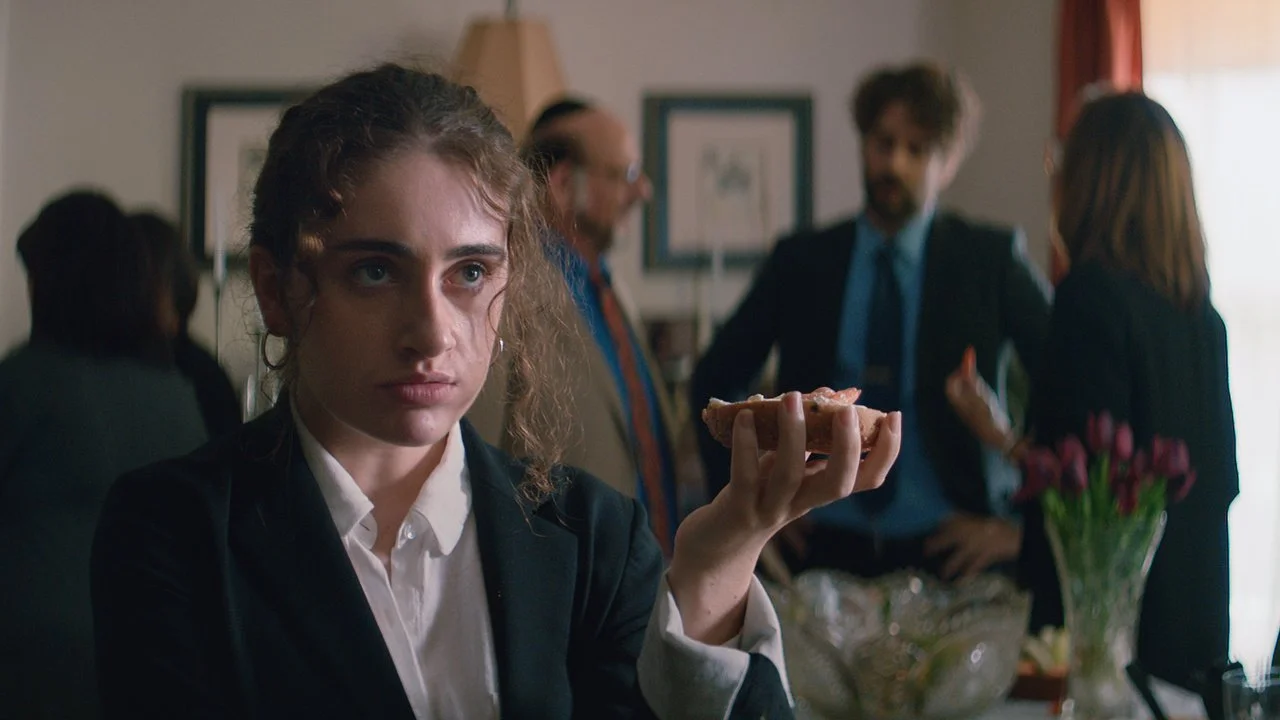
Emma Seligman’s stunning debut feature Shiva Baby is a funny, invigorating, fully realized pressure cooker. Expanding on her short film of the same name, Seligman creates an anxiety-inducing experience in the most compelling of ways. She explores a young woman coming of age while facing family dynamics, traditions, sexuality, post-college pressure, and power shifts in relationships. The story is a day in the life of Danielle (Rachel Sennott), who attends a shiva (a mourning tradition in the Jewish community), where she runs into her sugar daddy Max (Danny Deferrari) and her ex-girlfriend Maya (Molly Gordon). Danielle’s hovering parents are also present, whisking her to meet so-and-so who can help her with such-and-such. Seligman tells an incredibly grounded and authentic story rooted in universal themes that resonate down to the tiniest details. Shiva Baby is a remarkable blend of comedy and drama, with hints of horror that add a layer of tension to the story.
Shiva Baby takes place in one day, in real time, as Danielle swerves from one interrogative family encounter to another inside a crowded house. Her career path is in limbo. She is anxious about her future. She is unemployed and unmarried, at a family gathering, which immediately brings forth a relatable feeling. Figuring out who you are, while presenting another version of yourself to family members who have expectations of who you ought to be, is so easy to identify with as a young woman. There is an instantly relatable aspect in watching family members sink their teeth into a young woman’s future prospects and who she should become in their world. At the heart of this story is a multi-layered protagonist with an array of identities that are at odds with one another. With no escape from an endless line of questioning that follows Danielle nonstop, emotions build and her feverish anxiety rises. The drama and tension are conveyed to perfection by Rachel Sennott. In a brilliant performance so completely in tune with her character, Sennott gives a masterclass on how to embrace complexities, vulnerability, and lean into truthfulness.
Danielle has a fascinating journey throughout the film; the power dynamics shift constantly as she tries to find her footing with certain characters. Maya and Max have a history with Danielle; the former knows her but hasn’t seen her in a long time, and the latter unexpectedly runs into her having just spent the morning with her. Seligman brilliantly maps out how all these characters discover where they stand with one another, and the answers change all the time depending on who has control. Shiva Baby has a fantastic balance of tone channeled through the extraordinary cast Seligman assembled. Sennott is surrounded by a pitch perfect ensemble, and everyone plays off one another so well with compelling chemistry. Polly Draper and Fred Melamed (who play Danielle’s parents) shine bright, as do Dianna Agron (who plays Max’s wife) and total scene-stealer Molly Gordon. The characterization is outstanding, and the quick witted screenplay gives the actors golden material to play with. The sense of humour is a delight, providing constant laughs and lines so great you must keep up because you won’t want to miss them.
Shiva Baby infuses cool inspiration from the horror genre, through the use of playful jump scares and Ariel Marx’s wonderful horror score. These elements emphasize the panic swirling in Danielle’s mind as everyone closes in on her in a frenetic way. The music tracks the tension and anxiety so well, which constantly makes one question if any given moment will be the one where Danielle reveals what she’s been holding in. There are brilliant pressure cooker moments sprinkled throughout, with one particularly feverish scene towards the end that feels like being inside Danielle’s racing heartbeat. Emma Seligman has a deeply resonating and lovable debut feature under her belt. Shiva Baby fires on all cylinders and leaves behind a lot of anticipation for Seligman’s next project.
TIFF 2020: ‘No Ordinary Man’ Review
September 12, 2020
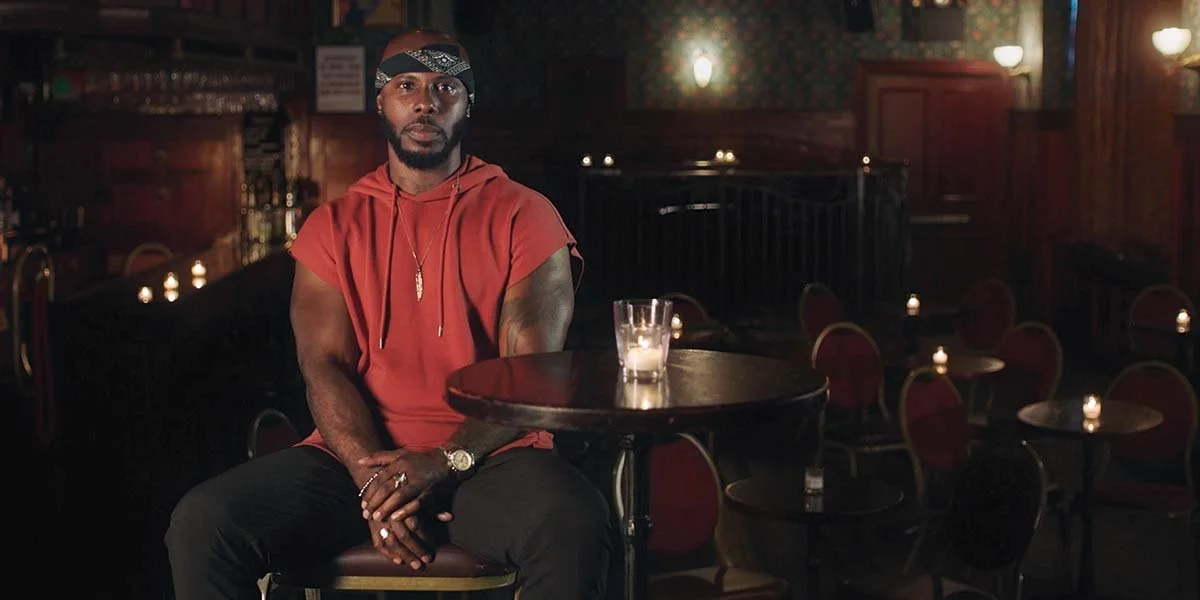
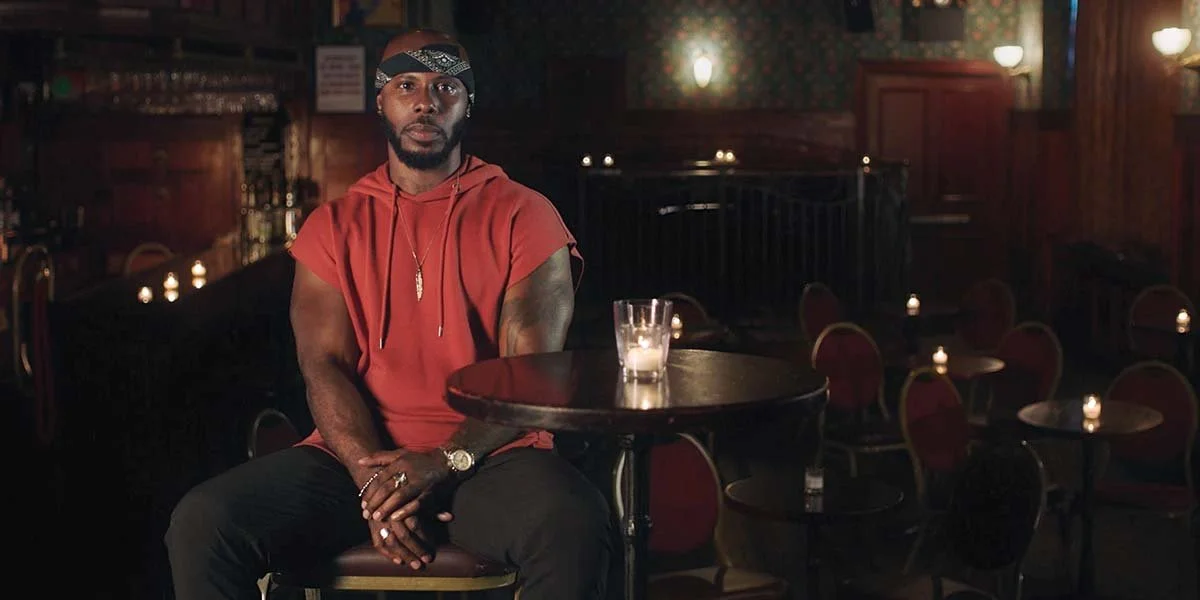
No Ordinary Man is a powerful documentary about the story of jazz musician and trans icon Billy Tipton. His legacy is told lovingly through the varying perspectives of artists and activists. With an incredibly thoughtful approach, filmmakers Aisling Chin-Yee and Chase Joynt connect Tipton’s story to the people who followed in his footsteps.
The trans masculine perspectives give this documentary so much more weight, as it’s not only about Tipton’s life but also the inspiration he left behind. The filmmakers avoid formulaic biography structure, giving a voice to multiple lenses and narratives that challenge deceptive representations while bringing Tipton to life. The storytelling truthfully explores the ups and downs of trans representation in the media. Sometimes, with increased visibility comes targeting and violence. The inclusion of trans masculine voices gives them that opportunity to be part of the process in shaping a better understanding, and to be part of trans history.
Knowing nothing about Billy Tipton prior to this documentary, I was left with such a beautiful and powerful insight into how impactful his legacy was. It was moving to watch, especially considering how severely his life was distorted by a media frenzy. To retell his story, the filmmakers infuse creative narratives including a casting call for Billy. The doc introduces trans masculine actors reading a scripted scene, while also discovering more about themselves and about Billy. It’s a wonderful decision to bring some focus onto these actors, who stress the importance of having role models, seeing their realities represented, and knowing that they exist in a world in which trans people’s histories have been erased.
After Billy’s story was released to the media, his family appeared on talk shows and interviews discussing how they felt. One of the most apparent ways the media completely disregarded Billy was their focus on everyone but him. What about his wife? What would it be like to be married to Billy? What about his kids? Part of the documentary includes the perspective of his son Billy Jr., looking at the loneliness that came with carrying his father’s legacy during a media frenzy and now seeing an abundance of people reaching out expressing love and admiration for his father.
What makes No Ordinary Man so engaging in its storytelling is the abundance of different perspectives and narratives uniting in a loving way to retell a misrepresented legacy. The power of role models, truthfulness, and understanding shines through from beginning to end. There’s also a beautiful song that plays in the end credits - Man Like You (No Ordinary Man) by Lane Webber and Patrick Watson. This is a beautiful, insightful must-see doc.
TIFF 2020: ‘Nomadland’ Review
September 13, 2020
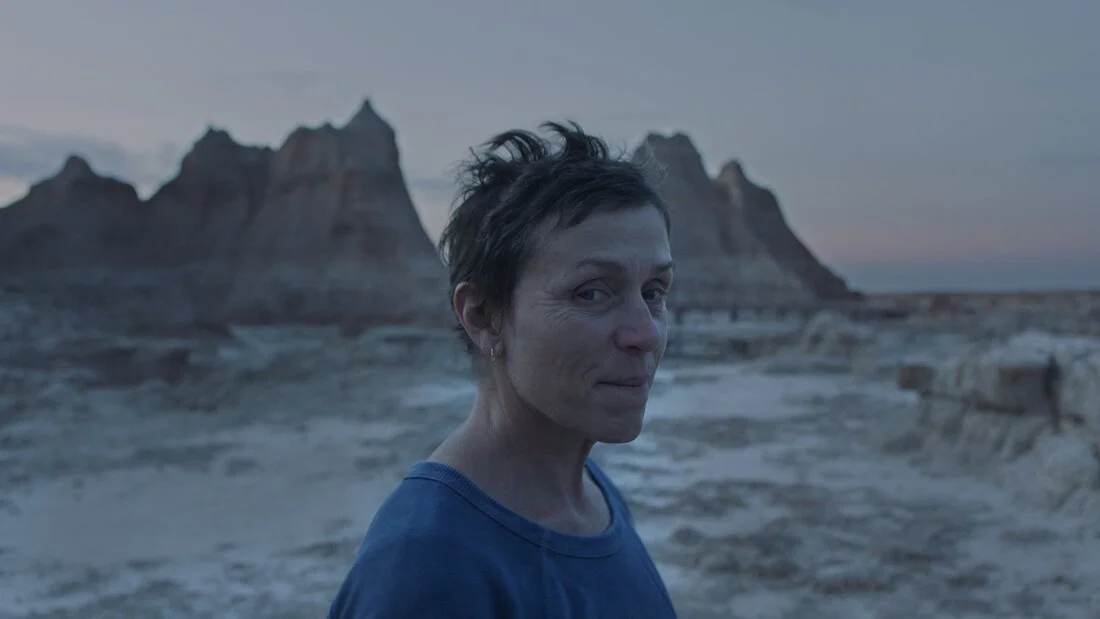
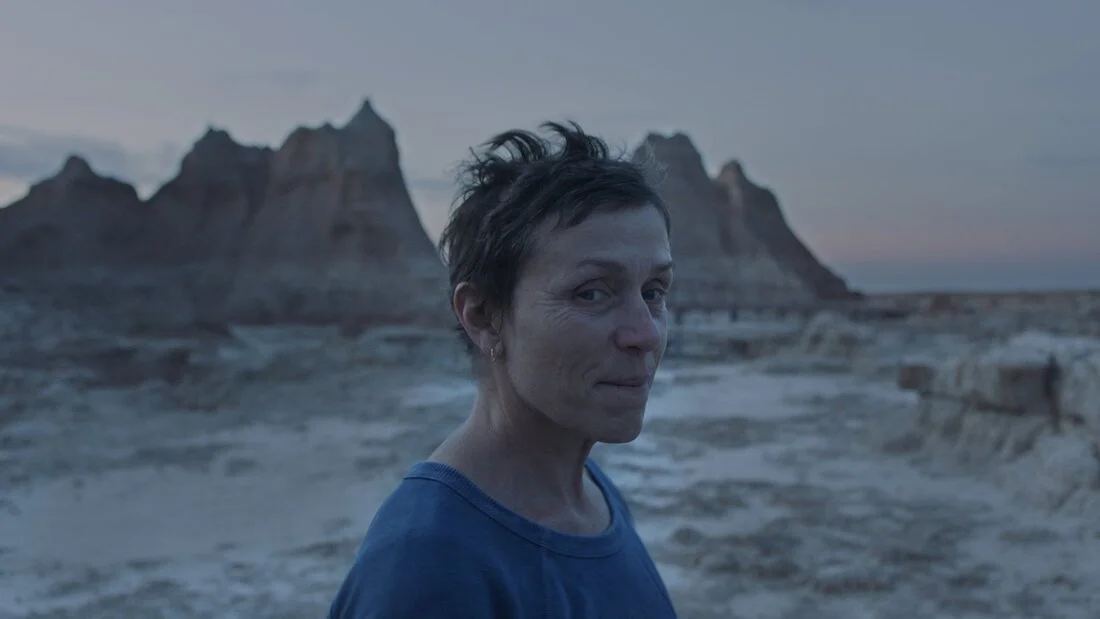
Played so seamlessly by Frances McDormand it’s a wonder where she begins and her character ends, Fern is a nomad deep inside. She has a real sense of belonging on the road, where home is not a structure but a feeling. Beautiful landscapes are her museum, and she is the voluntary tour guide. McDormand works her magic in collaboration with the phenomenal Chloé Zhao, who edited, co-wrote, produced, and directed Nomadland. Within the first few minutes of the film, a powerful story is told. Due to reduced demand for sheetrock, US Gypsum shut down its plant in Empire, Nevada. The shuttered town and its discontinued zip code pushed all residents to relocate. One of the residents sifting through the debris of a once thriving life is Fern. In our introduction to her journey, she holds onto her husband Bo’s jacket extra tight before bidding farewell to some belongings and starting up her trusty van. Full of personal trinkets and treasures, she built the self-named Vanguard from the inside out. Her van is her home, and has been for some time. In the aftermath of personal grief and loss, Fern is on the road in search of answers.
Chloé Zhao’s curiosity as a director is the perfect match for this story. She brings immaculate detail to the narrative and also maintains a beautiful openness in her approach. She collects human interactions like rare gems; each nomad encounter is given empathy and space for expression. Zhao introduces many of these characters in the first act of the film, as they gather around a campfire and share stories of what led them to this lifestyle. What they share in common is a gravitation towards nomad Bob Wells and his cheap RV living guide. Although brief in screen time, he takes on a nucleus role in the film as Fern (among others) visits him to share her experience in search of some guidance. As vast as all the landscapes are, it’s a small world and the people in it gravitate towards a shared connection. As Bob tells Fern in a moving scene, months or even years could pass by and he’d see the same people down the road again.
The screenplay was adapted by Zhao from Jessica Bruder’s non-fiction book, ’Nomadland: Surviving America in the Twenty-First Century’. The book is about American nomads, many of whom were affected by the Great Recession, who embark on the road in search of work and a new way of life. Most of the locations and people in the book made it onto the screen; staying close to Bruder’s perspective gives the film a brilliant level of world building. Zhao starts with establishing location and creates the characters from there. Real nomads come to life on screen through monologues and small everyday interactions that reveal a bit about who they are. Two nomads in particular - Linda May and Swankie - are given revealing moments where they explain why they’re on the road. Listening to their stories is like hearing their souls speak. These moments are beyond moving to watch, and are the perfect example of why the film strikes a resonating chord in my heart. Zhao’s screenplay feels incredibly intuitive and personal in telling a story about this particular nomadic lifestyle. She brings so much heart to this film, and sits patiently with the people in this world to hear their stories.
To quote Chloé Zhao, “there are not many people out there as strong as Frances McDormand looking you in the eyes.” In creating the character of Fern, who might be McDormand’s alter ego, Zhao needed someone who would fit in the environment. She needed a good listener…someone who would absorb her surroundings, go with the flow, and also be deeply invested in the people she comes across. Frances McDormand’s screen presence is one of the strongest in film history, and her familiarity works to the film’s benefit as Fern becomes a guide for the audience to explore this nomadic world with. Whether it be working at Amazon, polishing rocks, or running a badlands spa, McDormand lends herself fully to the role. There are some playful moments in the film where the actor and character mesh. “Try McD,” suggests Fern when a receptionist can’t find her name on a camper registration list. McDormand’s performance is a magnificent blend of nuances, powerful stoicism, and surprises.
The character of Fern, like many others passing through in Nomadland, lost the life she knew after the Great Recession. She and her husband had lived in Empire for many years. Empire was a town Bo loved and that loved him back, so she stayed behind because “what’s remembered lives”. The film resonates as a story of grief and finding ways to cope with loss. Fern’s search brings her to a nomadic lifestyle where her self-sufficiency is tested, but there is also an excitement in seeing what’s down the road for her. She finds a special friend in Dave (the great David Strathairn), a familiar face she runs into at various camper locations. Their dynamic is so pure and genuinely lovely to watch unfold. Similar to Fern, Dave takes the odd job here and there to keep afloat. When Fern meets up with friend Linda May in the badlands, there Dave is, working as a guide for tourists. Dave and Fern share some of the most stunning scenes in the film, from wandering off into enormous rocky terrain to gazing at the stars. In tune with Zhao’s direction, Joshua James Richards’ cinematography gives the film a beautiful cinematic lens while also maintaining the openness of their natural environments.
The feeling of being in nature can be humbling and relaxing, followed by a restlessness that rushes in when you leave such a setting. The film captures this emotion so brilliantly, and it’s infused in Fern, who finds comfort in being on the road but shifts restlessly under a roof. Chloé Zhao and Frances McDormand are a match made in heaven as they explore the healing power of nature in gorgeous American landscapes. The beautiful score by Ludovico Einaudi gives melodic reminders that underneath the protagonist’s stoic exterior is a search of life after loss among a community of grieving people. Nomadland is a stunning character study and a moving portrait of learning to live with grief. Zhao tells a timeless story about self-sufficiency, unshared emotions, and the lonely ache in finding a sense of belonging during times of isolation.

TIFF 2020: ‘Wolfwalkers’ Review

September 14, 2020
How enchanting! Wolfwalkers is a magical Irish saga of love, friendship, and female empowerment. Mature and dedicated storytelling bring environmental and philosophical themes to a beautiful fairytale adventure.
The story follows a young apprentice named Robyn (Honor Kneafsey), who lives in Ireland with her loving father Bill (Sean Bean) at a time of superstition, when wolves are seen as evil creatures to be tamed. In a town armed with guards and whispering stories of wolves, the people of Kilkenny never step foot into the forest that sits beyond the gates. Robyn, an adventurer at heart, explores the forbidden forest along with her bird Merlin. Intending to follow her father, who is tasked with hunting and eliminating all wolves, she encounters a wild young girl of mystical powers named Mebh (Eva Whittaker). The two girls form an enchanting friendship that tests her principles and carries them to defend the hunted wolf population of Kilkenny.
Wolfwalkers is the latest from director Tomm Moore and studio Cartoon Saloon, the team behind visionary films such as Song of the Sea (2009) and The Secret of Kells (2014). Co-director Ross Stewart also comes aboard this beautiful adventure. The film explores so many themes in such a mature way, some of which include father-daughter bonding and really coming into your own as an individual. The screenplay is dedicated to exploring the fears that come with parenting and wanting to do what is best. Poignant and energetic voice work adds a deeply resonating layer to the story.
Visually, the delicate watercolour animation and intricate swirling lines are gorgeous. This style of animation fits the storytelling perfectly, particularly in the forest setting. Characters flow into and out of frames like magic. There’s a beautiful fluidity to movement and a fantastic inclusion of seeing this world from the wolves’ eyes, through scent. With gorgeous animation, heartfelt voice work, and a resonating story, Wolfwalkers makes its case for best animated film of the year so far.
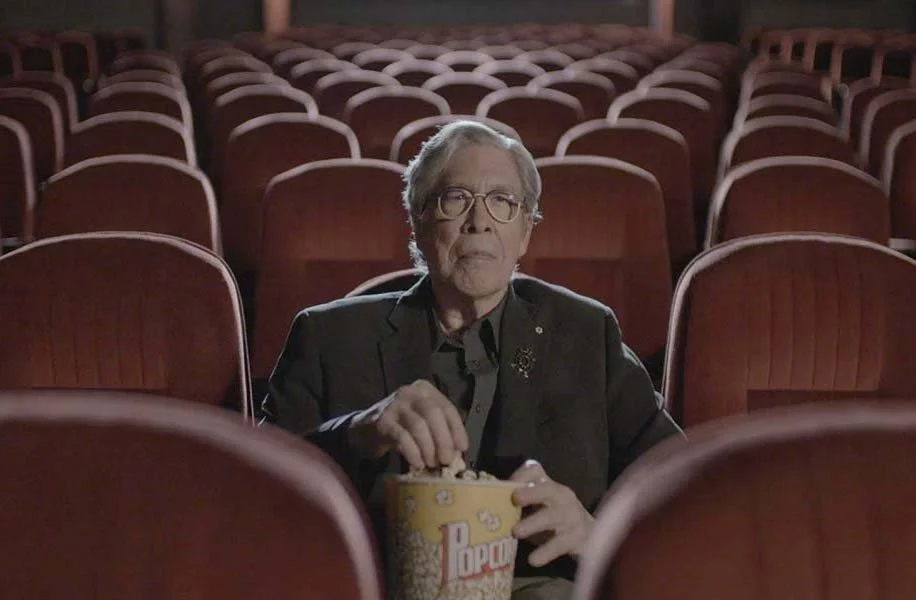
TIFF 2020: ‘Inconvenient Indian’ Review
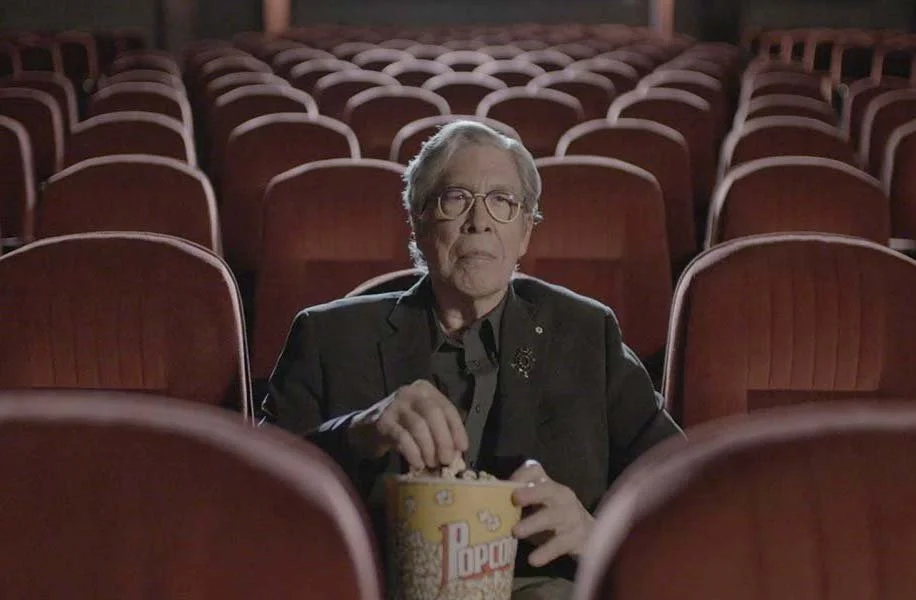
September 15, 2020
Most of Indigenous history in North America has been erased. What we’re left with are artifacts. Voiceless objects from the past, as narrated in this documentary. History is not necessarily the past itself, but more specifically the stories we tell about the past. Inconvenient Indian is an insightful, eye opening documentary looking at Indigenous history and North American culture as a powerful tool of misrepresenting Indigenous culture. Director Michelle Latimer’s visual storytelling is incredibly resonating.
The documentary is based on Thomas King’s award winning 2012 book, 'The Inconvenient Indian: A Curious Account of Native People in North America'. King provides his narration and also appears in the documentary. One particular moment shows him sitting in a movie theater, popcorn in hand, as though seeing what the audience of Inconvenient Indian are watching. What is being seen? Latimer balances an extraordinary array of various storytelling techniques. She seamlessly shifts from one medium to another, including archival footage, visual arts, dance, and interviews.
Among Latimer’s subjects are community workers, filmmakers, and hunters. Every frame has a cinematic element and a strong representation of the height of inconvenience for colonialism: an Indigenous person living exactly as they have. While there is a strong celebration of cultural memories, which are resonating to watch, one of the most eye opening aspects of the documentary is what it has to say on the power North American culture has of misrepresenting and erasing Indigenous living. As narrated in the doc, there is a severe invisibility that comes with looking and acting like the Indians the media has in mind.
Latimer also focuses on Indigenous experiences within multiple industries, such as the art and gaming world. Within the gaming industry in particular, the doc introduces university students who are developing tools to populate spaces with people who look like them. Students are learning how to make their own video games, building technology from the ground up and embedding their values into the technology. This aspect is one of many ways representation shines through in this documentary. Representation not only matters, it is essential. Inconvenient Indian is an essential documentary to watch, in order to take the necessary step to understanding Indigenous stories and being acutely aware of the harmful colonial systems that still exist today.
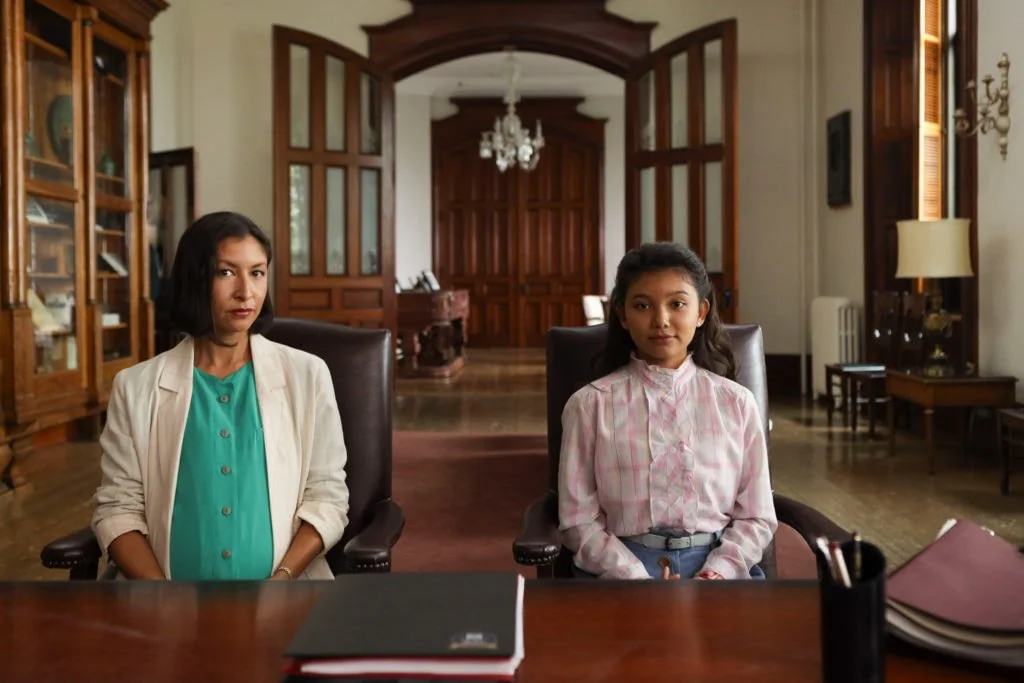
TIFF 2020: ‘Beans’ Review
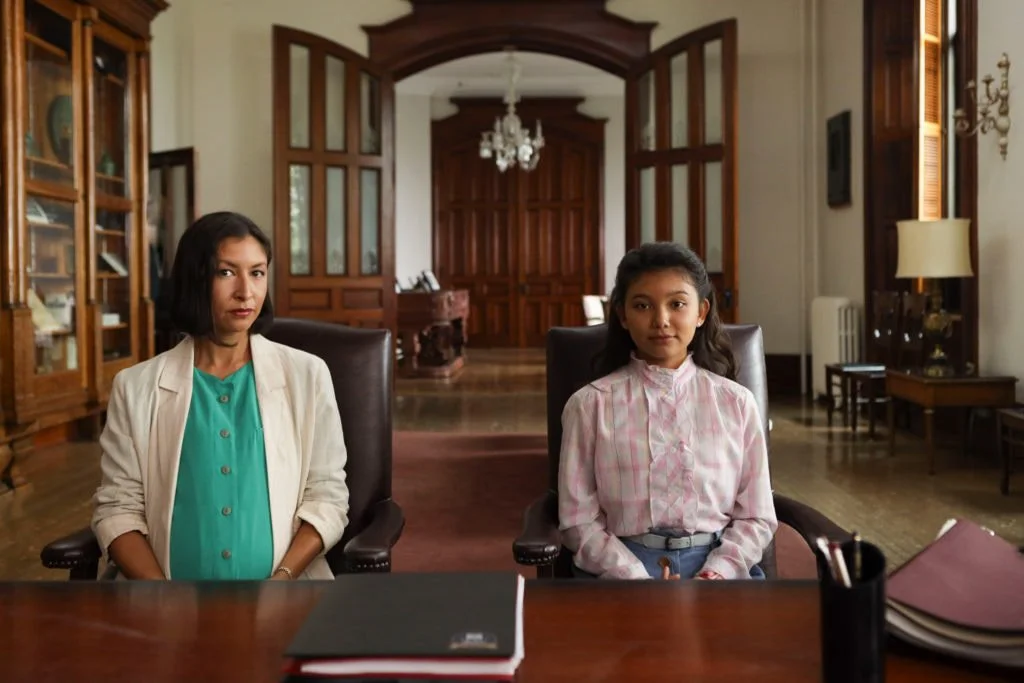
September 16, 2020
The 1990 Oka Crisis in Quebec witnessed a 78-day standoff between government forces and two Mohawk communities protesting to save their sacred land from being torn by a golf course extension. Tracey Deer’s incredible debut feature, Beans, is based around her experience surviving the Crisis. Deer chronicles the events from the perspective of an Indigenous girl named Beans (Kiawentiio Tarbell). The film completely elevates the coming-of-age genre with a refreshing point of view and a standout performance from Kiawentiio Tarbell as a girl grappling with newfound adulthood.
The film begins with Beans and her mother Lily (Rainbow Dickerson) attending a prospective student interview at Queen Heights Academy, a predominantly white school that boasts opportunity. Lily, who has ambitious dreams for her daughter’s future, preps Beans with interview questions and offers full support, while her father would prefer that she chooses a different school close to her roots. On the page, this recalls plots for multiple coming-of-age stories where parents’ wishes get in the way of what their children want. In the case of Beans, this becomes an afterthought in the midst of a community protest, which the local government escalated by threatening to extend a golf course on sacred Mohawk burial grounds.
Deer's film centers around women as she tells the story through Beans, who tries to grasp what’s happening around her while also caring for her little sister, under the protective wing of their mother. The power of this film is that Deer does not go into linear detail about the beginning, middle, and end of the standoff. She is more interested in the characters of this story, focusing on how they absorb the violent and heartbreaking effects of the Crisis. Deer also takes an incredibly detailed look into how Beans adjusts to adolescence and peer pressure. An innocent Beans meets a teenager named April (Paulina Jewel Alexis), who has a tough exterior and is eager to teach her how to fight. The two soon get into rebellious decision making and side effects of peer pressure, while also grappling with complete rage against local cops and vile residents. Kiawentiio Tarbell delivers a star-making performance as Beans. She’s absolutely riveting to watch, and her screen presence adds a very strong layer to this story. The cast also includes a few standouts: Rainbow Dickerson, playing a protective and firm mother, is great and has a phenomenal car scene that made me weep. Violah Beauvais, playing Beans’ younger sister Ruby, gives a performance mature beyond her years.
Strong writing and overall filmmaking really elevate the coming-to-age genre with a refreshing perspective from an Indigenous girl. It’s unfortunately rare that such representation is seen on film. Beans is a necessary film as well as a doubly exciting debut for its director Tracey Deer and star Kiawentiio Tarbell.
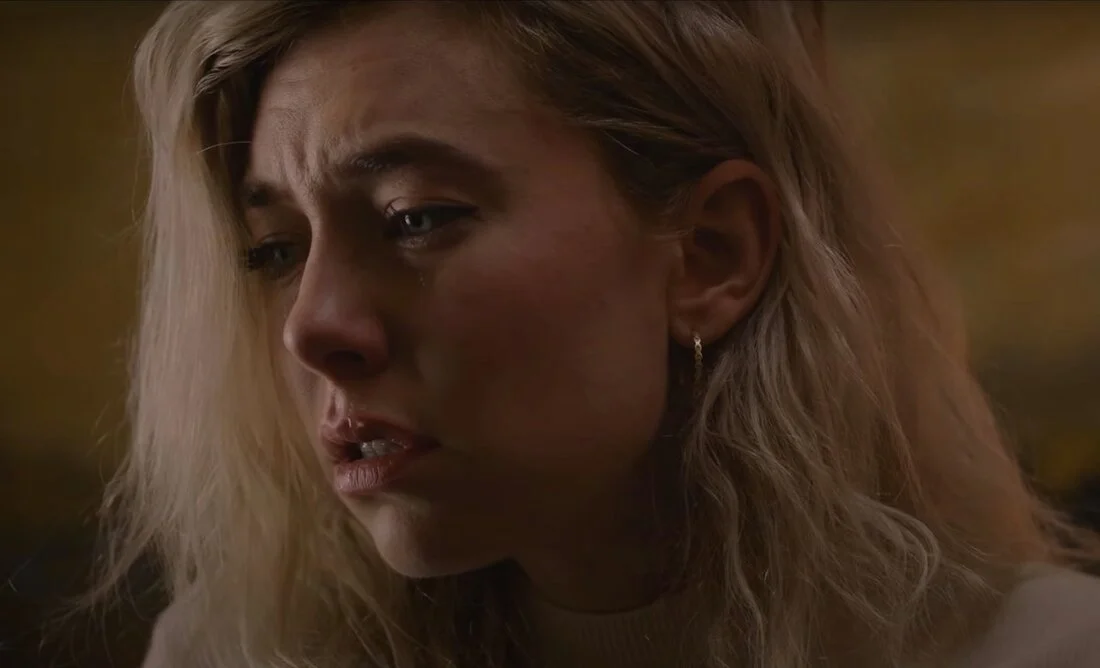
TIFF 2020: ‘Pieces of a Woman’ Review
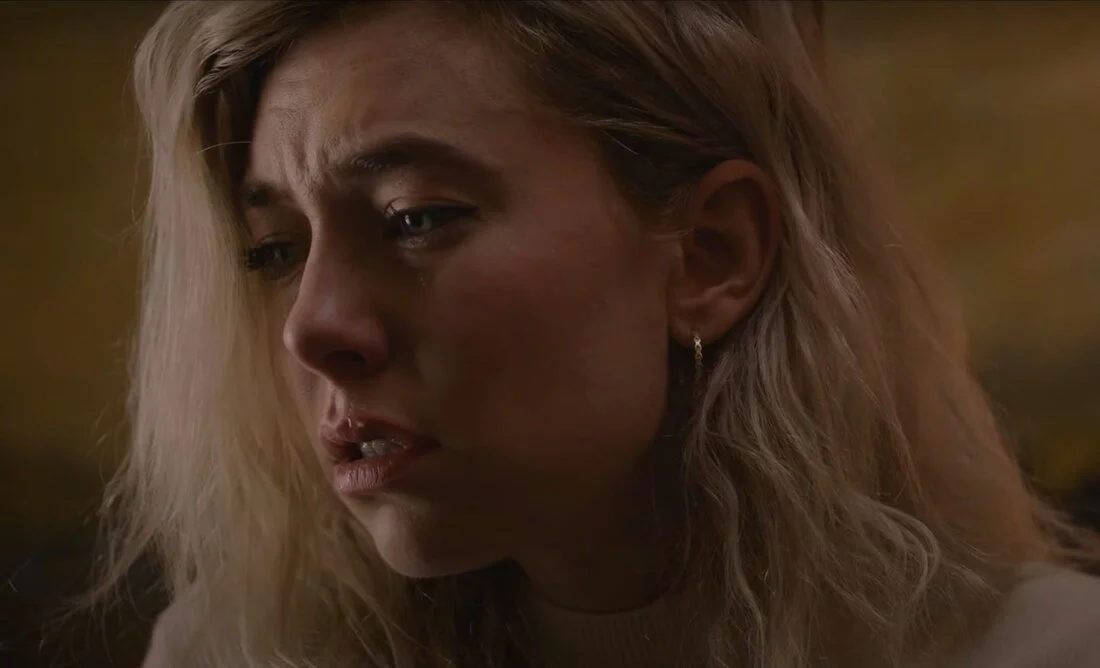
September 17, 2020
Pieces of a Woman has all the ingredients of a standard melodrama. While its constructing doesn’t always work, the piece that makes it resonate is the fragmented way in which director Kornél Mundruczó studies a character exhausted to bits from unspeakable grief. With an unrelenting focus on moments of discomfort, and an absolutely draining first act, the film has an unwavering emotional charge. Vanessa Kirby is the glue holding all the fragments together with a knock-out performance that is soul-stirring beyond the screen. It’s a performance that will linger in my head for a long time.
Martha (Kirby) and Sean (Shia LaBeouf) are a couple reeling from tragedy in very different ways. After a devastating loss, their relationship shifts into rearranged fragments of a past life. The severe level of disconnection and emotional conflict takes its toll under one roof. There’s one striking scene, actually more of a blink-and-you’ll-miss-it moment, of Martha sitting on her sofa while Sean proposes a road trip to Seattle. The two just had a conflict about the baby’s room. He’s talking in the background, promising how good Seattle would be for them, while she pulls a mimicking face. It’s a testament to Kirby’s skill that she’s given such a lived-in portrayal full of remarkable detail. Her on-screen partner LaBeouf, however, is slightly miscast in the film. He’s a fine actor and it’s not a bad performance, but something feels stilted about his approach.
The film explores relational grief that questions the “right” way to mourn. Martha is constantly at the receiving end of how she ought to grieve. It’s an insistent line of questioning coming from not only Sean, but also Martha’s mother Elizabeth (Ellen Burstyn). The two have a rocky relationship that is being pushed closer and closer towards a breaking point whenever they share scenes together. The tiniest moments - Martha flinching away upon her mother’s reach - speak volumes. Considering the emotionally revealing breaking point, a strong monologue by Burstyn who no doubt gives her absolute all, I think the film could’ve benefitted had Mundruczó unpacked the mother-daughter relationship further.
The subject matter of Pieces of a Woman is heavy to watch for many reasons, one of which being the heart-wrenching opening sequence. The rest of the film slowly stumbles, broken up into multiple dates flashing on screen. The fragmented storytelling that works wonders as a character study of Martha doesn’t always work when trying to fit other pieces of the puzzle in. The screenplay by Káta Weber gets lost in various ideas about the right thing to do, and descends into a courtroom drama that hinders the final act. But what remains the key piece of this film, from beginning to end, is the powerhouse performance by Vanessa Kirby at her best.