
Canadian Film Fest (CFF) 2021 Reviews
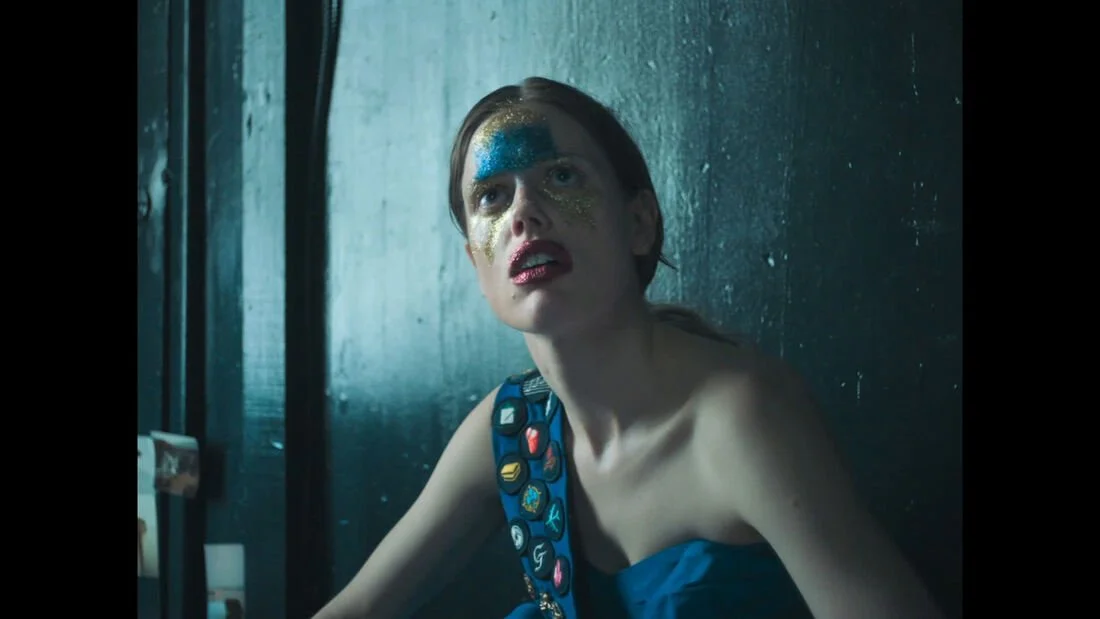
“Sugar Daddy is an electric experience to behold, most of all thanks to a wonderful performance by Kelly McCormack who carries the film to fruition.”
April 3, 2021
The Canadian Film Fest (CFF) is a non-profit organization devoted to the celebration, promotion and advancement of Canadian filmmaking talent. 🇨🇦 CFF celebrates its 15th anniversary this year, and brings audiences a selection of Canadian independent films (features and shorts) through a virtual festival experience. Kicking off the festival was the Toronto premiere of Wendy Morgan’s feature film Sugar Daddy, written by and starring Kelly McCormack. Read the full review below!
With an emotionally resonating and layered story at its core, Sugar Daddy is an experimental gem in filmmaking. This film explores a specific moment in a young woman’s life where she feels conflicted about her own voice and seeks approval outside of her self. The protagonist, Darren (Kelly McCormack), dreams of becoming a musician but doesn’t have the time nor money she wants to fully create. She works multiple part-time jobs from catering to babysitting, anything she can find to pay the rent. At one particular catering gig, Darren meets a woman whose college tuition is being paid off from having a sugar daddy. Their encounter plants a seed, and after Darren suddenly gets fired that same night, she decides on signing up to a paid-dating website. What follows is a wickedly intriguing and observational drama about self-worth, femininity, and reconciliation. Sugar Daddy is a compelling film that showcases incredibly bright talent in front of and behind the screen.
One of the most intriguing strengths about this film is the potent exploration of artistry. Darren processes her emotions through creating music; the way she conjures and visualizes her thoughts, especially in response to certain situations that arise in her life, creates moments on screen that provide a glimpse into her mind. These moments feel like something out of a music video, yet simultaneously fit like puzzle pieces in a film that explores a woman’s personal journey. Kelly McCormack’s screenplay doesn’t follow a three act formula often seen in films, especially ones about young adults finding themselves. The character of Darren doesn’t have an enormous arc where she suddenly finds success as a musician. She has a social media account where she posts her videos, but there is no insight given into her follower count or who is listening. Sugar Daddy explores the tiny ups and downs of her creative process, the glimmers of promise and the disrespect of feeling commodified. The visual performance art scenes that appear throughout the film add a resonating layer to this story, giving a moment’s pause to Darren’s internal journey.
Kelly McCormack’s performance as Darren gives a fascinating window into this world. She plays a character who makes some questionable decisions, and she maintains a strong emotional connection as the story follows her through the perpetual chaotic process of self-discovery. McCormack conveys her character’s feeling of disrespect and dissatisfaction within the industry, as her femininity and self-worth are being commodified on so many levels. Her performance feels incredibly passionate and truthful, which drives the story to explore realistic conversations about self-worth. While she spends most of the film looking for money and time, her real desires underneath call for reconciliation and self-approval, which she often seeks from everyone but herself. It’s a compelling exploration of internal conflict that McCormack captures incredibly well. Her impeccable screen presence carries the film, and she raises the game with her fellow co-stars who don’t quite reach her level.
McCormack’s talent as a screenwriter also shines through a thought-provoking story. The film touches on layers upon layers of self-worth, approval from men, reconciliation with family members, relationship dynamics between friends, and the way women are commodified beyond sex work. The relationship between Darren and her roommate Peter (Ishan Davé) is a compelling thematic ground as he begins to weigh the value of their friendship by how much she gives back to him. He’s always there for her and gets nothing in return, to which she replies, is her friendship not enough? There are a lot of resonating themes being explored in a fascinating way that gives a moment’s pause and poses multiple questions, especially in retrospect. Perhaps the most potent ground for discussion is the dinner scene, in which a conversation takes place between Darren and her circle of friends after they find out she’s doing paid-dating. A difference of opinions erupts and the tension in the room is palpable to say the least.
Wendy Morgan’s direction, Kristin Fieldhouse’s cinematography, and Christine Armstrong’s editing add to the visceral experience of this film. Each and every moment of performance art in particular, a perfect example being a magnetic ‘car opera’ scene, feels like entering a rabbit hole of the protagonist’s mind where her creativity lives. The consistent strength of Sugar Daddy is having Darren at the center, watching her feel through specific moments in time through music and art. The story brings up a strong exploration of how she observes the world around her, how others perceive her to be, and how their perceptions of her change over the course of the film based on commodity and self-expression. Sugar Daddy is an electric experience to behold, most of all thanks to a wonderful performance by Kelly McCormack who carries the film to fruition.
The 2021 Canadian Film Fest runs from April 1st to April 17th.
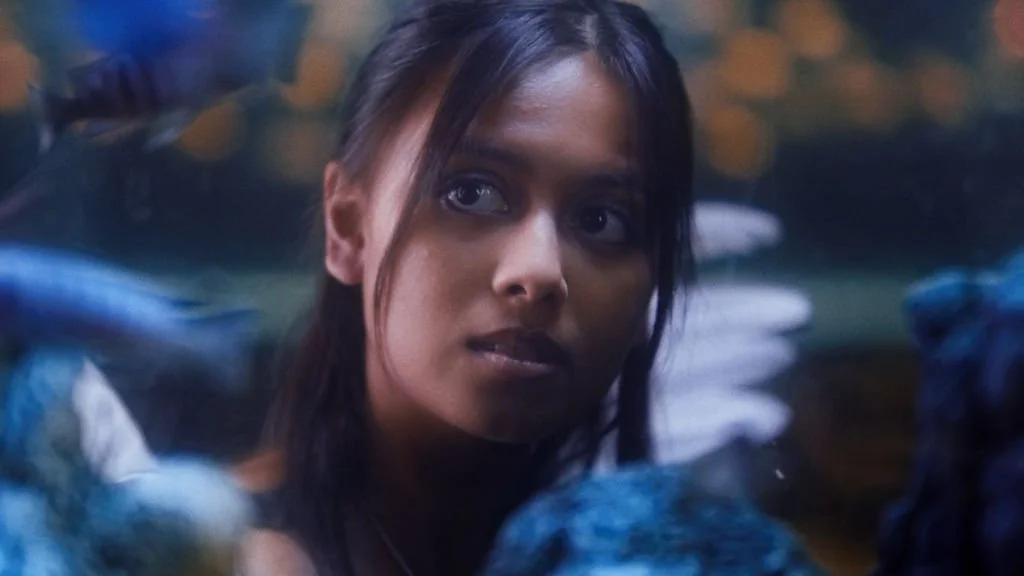
“White Elephant reflects a strong coming-of-age story about a teenage girl who wants more in life.”
April 5, 2021
The quest for self-love plays a compelling role in White Elephant, the first feature written and directed by Andrew Chung (as Andrew C). Set in 1996 Scarborough-Markham, the film follows Pooja (Zaarin Bushra), a South Asian teenage girl with a passion for movies and a crush on a white boy who works at a video store across from her high school. From the dreamy Luhrmann-esque Romeo + Juliet fish tank scene to the rock/pop anthem opening credits, the 90s certainly shine through in a charming way. As does the naïveté of young love, which in just an hour’s runtime becomes a well-paced intersectional slice of life about a girl who discovers the importance of self-love.
The strength of realism in world-building is refreshing to see in this film. Growing up in a South Asian neighbourhood, Pooja and her friends experience daily racism seen particularly from boy crush Trevor (Jesse Nasmith) and his friends. In addition, Pooja’s admiration for mainstream Hollywood love stories is an interesting detail that trickles down to the way she sees Trevor. The story initially plays out as a romantic comedy, which then branches out into so many resonating themes and gives the film a unique point of view. White Elephant is instantly endearing, a quality maintained by Zaarin Bushra’s accomplished performance in the leading role. While most of the performances feel on the one-dimensional side, which speaks more to the short runtime of the film, this story has a talented anchor in Bushra’s work. She conveys a sentimental yearning for the love depicted in movies she holds near and dear, including Luhrmann’s Romeo + Juliet, from which Chung replicates another scene towards the end of the film. Infusing this grand love story in particular, not to mention evoking sensations remarkably similar to what is felt in Luhrmann’s adaptation, feels like a fitting homage for Pooja’s wistfulness and dramatic change of heart.
Zaarin Bushra’s performance is a wonderful unity of optimism, frustration, and dream-like longing. A charming car scene of Pooja’s dad driving her home evokes the feeling of pretending to be in a music video. Another car scene, which features an insightful conversation between Pooja and her dad, brings strong characterization to the forefront of this film. White Elephant reflects a strong coming-of-age story about a teenage girl who wants more in life. She doesn’t want to hang out at a coffee shop every single day “like a bunch of senior citizens.” Pooja is an incredibly endearing character brought to life by a performance that makes one yearn for more screen time and hopeful for what Andrew Chung (and Zaarin Bushra) do next.
The 2021 Canadian Film Fest runs from April 1st to April 17th.
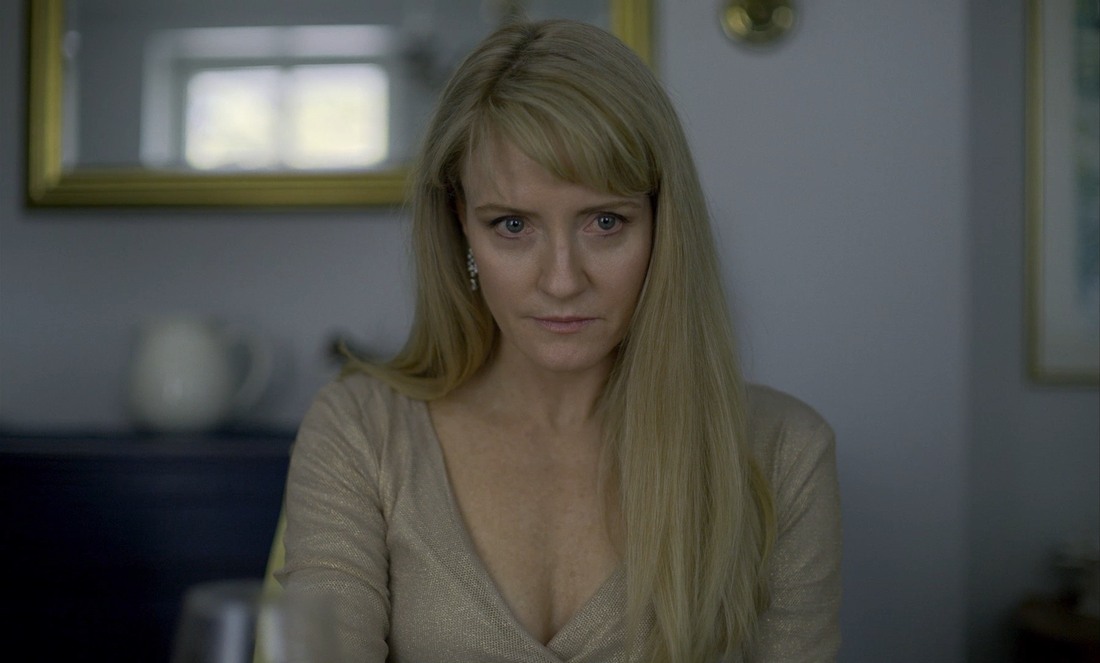
“Woman In Car is a hypnotic journey of family secrets and class, led by Hélène Joy’s fantastic performance as a woman haunted by the skeletons rattling in her closet.”
April 9, 2021
Anne leads a life of sophistication. She lives in a beautiful scenic house on the hill surrounded by serenity, but something is bubbling underneath the surface. Nearby is a bow and arrow, ready for her to take aim. Anne (Hélène Joy), the protagonist of Vanya Rose’s first feature film Woman In Car, is an incredibly observational character. She is full of intensity and in perpetual hesitation, always on the verge of unraveling. She is overcome with something, and Hélène Joy’s performance is a masterclass of withholding as much as possible until secrets come to light. The film plays on vagueness and sits with its characters, in moments of rest and silence, as though waiting to see what they choose to reveal. Woman In Car is a hypnotic journey of family secrets and class, led by Hélène Joy’s fantastic performance as a woman haunted by the skeletons rattling in her closet.
The story unravels around Anne, who appears composed on the surface. The countdown to her wedding day winds down. Following her previous marriage, which ended under mysterious circumstances, she is on the verge of a fresh start in life. But in watching Joy’s detailed and layered performance, there is an immediate sense that something is not right. The gears in her mind are turning. What is she thinking about? Writer-director Vanya Rose makes the brilliant decision to tell this story as though puzzle pieces are slowly coming together. The film begins in the midst of Anne’s idyllic livelihood, which begins to crumble when her stepson Owen (Aidan Ritchie) returns home with his girlfriend Safiye (Liane Balaban) and triggers secrets from the past. Anne develops an obsession with Safiye, an “outsider” whom she fears could destroy her privileged protective bubble. The possibility of Anne’s life being ruined looms over her, and she struggles to keep her secrets hidden. The performers, especially Hélène Joy in the lead role, bring this journey to life with plenty of lived-in details.
Hélène Joy carries this film with her remarkable screen presence, felt deeply from the first frame. She conveys the paranoia of Anne’s world slowly closing in on her, and the steadfast resistance from being caught in a web of secrets. Through her performance, she evokes that there is more to Anne than meets the eye. Some of the most interesting revelations happen in moments of complete silence, when the camera simply focuses on her observations and facial expressions. The direction and writing compliment her strengths as an actor incredibly well.
Vanya Rose has an intriguing vision and a strong emotional investment in showing, rather than telling. What makes Woman In Car so special is a thoughtful, layered character study at the center. Rather than reveal Anne’s past front the get-go and spend the rest of the film teasing whether she’ll be found out, the film opts for a far more interesting build-up. Vanya Rose slowly chips away at the polished, wealthy facade Anne masks herself with. It is through this approach that Rose explores upper class privilege and the power characters of that world wield around like threats. This is certainly a film that benefits greatly from not knowing too much about plot points beforehand. Woman In Car is a consistently engaging and mysterious experience with an accomplished lead performance at its core.
The 2021 Canadian Film Fest runs from April 1st to April 17th.
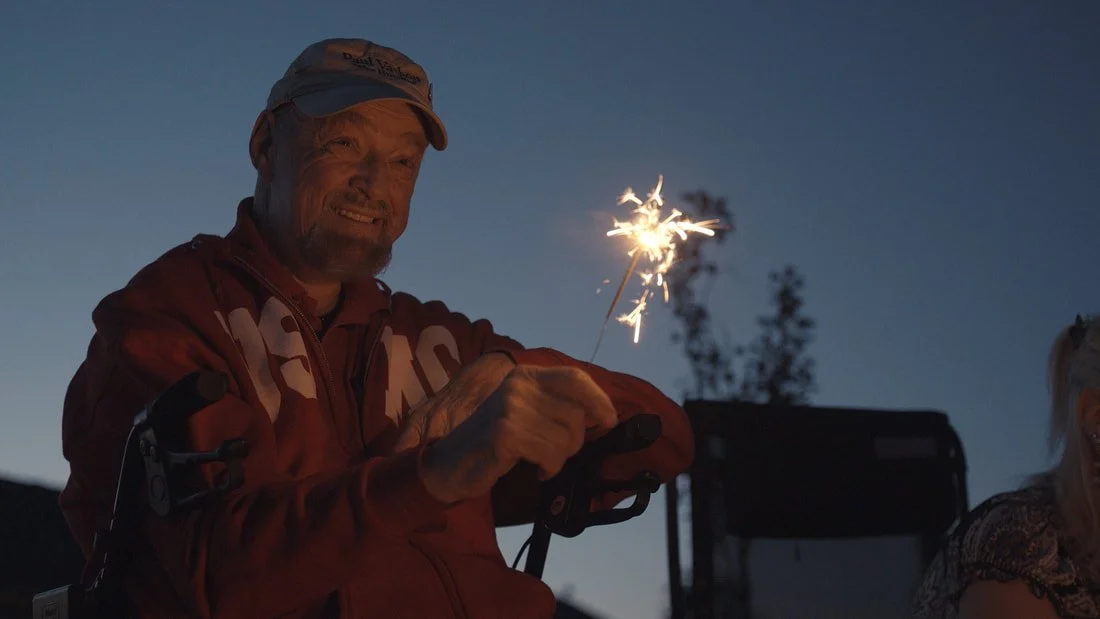
“Conversations around family, identity, purpose, and the passing of time make The Last Villains an endearing slice of a rather nomadic way of life.”
April 12, 2021
The Last Villains, Mad Dog & the Butcher is a larger-than-life story in which reality transcends fiction. Directed by Thomas Rinfret, the documentary chronicles the legendary Vachon family of pro wrestlers as recounted by the family’s surviving member, Paul “The Butcher” Vachon. Paul wrote books about his perceptions of the past, hoping his stories could magically escape reality. The filmmakers have a strong foundation in their narrator Paul, who brings an insightful and authentic perspective as he opens a personal window into the Vachon world of wrestling. But this is much more than a wrestling story. Conversations around family, identity, purpose, and the passing of time make The Last Villains an endearing slice of a rather nomadic way of life.
The Last Villains is told through an effective storybook approach, and some chapters are naturally far more interesting than others. The consistent focus on family ties is the glue that holds this documentary together. Maurice Vachon, Paul’s older brother, was a Canadian professional wrestler and veteran of the ring known as “Mad Dog”. Along with their sister Vivienne, the Vachons were the only family to have three representatives in the wrestling Hall of Fame. The key to Maurice’s success in particular was that people hated him. Known as one of the most vicious villains in the wrestling world, as seen and heard in archival footage, he created a character that saw his notoriety soar among audiences. After 20 years in the ring, he traveled the world and became a legend in his lifetime. Seeing how wrestling shaped Maurice’s life was enough for Paul to follow in his older brother’s footsteps. As a former farm boy, Paul wanted the majestic life promised by the illusion he saw on television.
One of the most resonating aspects of Thomas Rinfret’s storytelling is the way he maps out a narrative through the subject’s unique memories. It’s an interesting juxtaposition between the unwritten rule of wrestling, never break character and never shatter the illusion. The Last Villains explores how much of the Vachons’ identities are rooted in wrestling as a way of life, and how much their careers were defined by whether or not their ring names were memorable. The documentary also adds a strong layer about living almost in the shadows of successful family members and wanting to make one's own way. Mad Dog’s success had a ripple effect on Paul and their sister Vivienne, who inspired a generation of women to become professional wrestlers. Underneath all the wrestling personas is a family who went their separate ways to pursue paths that took them around the world.
Mad Dog has a constant presence throughout, but there is a far more interesting narrative happening elsewhere, one of which is Paul trying to find his purpose outside of wrestling. He and his wife Rebecca take road trips to sell his wrestling memorabilia, books, and knick-knacks. His books are a tunnel into the past, an outlet for him to keep the memories alive when the general public have forgotten his presence. Another interesting narrative regards the women in Paul’s life, sister Vivienne who died suddenly at 48 and daughter Luna (who also went into wrestling and developed a villainous character much like Mad Dog). It’s both endearing and heartbreaking to hear Paul’s recognition of lost time, which brings him to make efforts to rekindle extended family connections. The Last Villains, Mad Dog & the Butcher embarks on an impactful journey about family. While the wrestling subject matter doesn’t garner a lot of interest personally, the relationship dynamics are what carry this story. The documentary is a strong reminder of how quickly time vanishes and how a carefully crafted identity can change the course of one’s life.
