
October 30, 2026
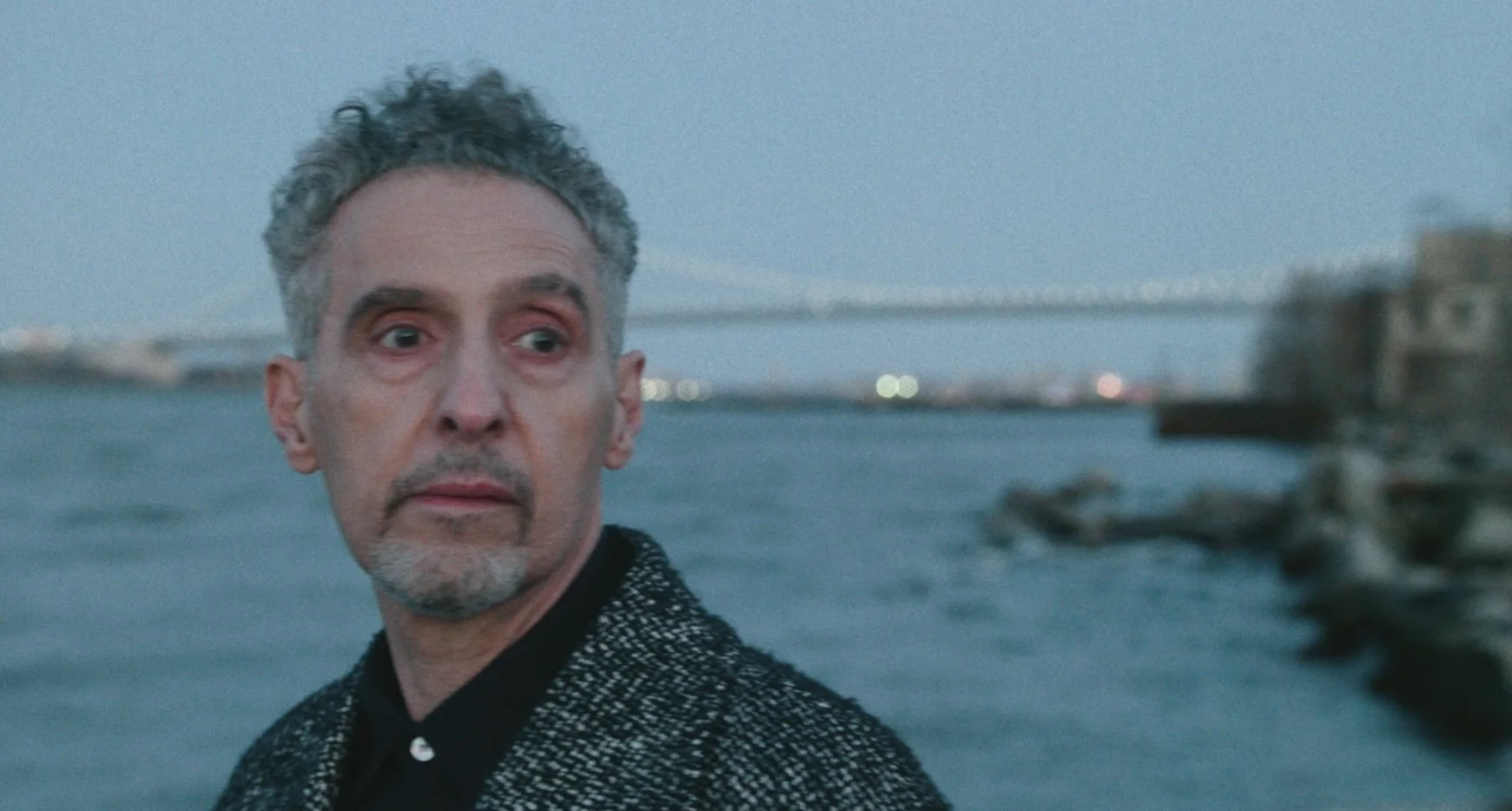
John Turturro picked the lock to my heart in The Only Living Pickpocket in New York, Noah Segan’s loving throwback to 1970s cinema that draws a major character study from the bustling city streets. Turturro plays Harry Lehman, an old-school New Yorker who thieves his way around the Bronx like a somber magician, using his sleight of hand to survive a changing environment and a dying profession. Borrowing from the character, the film’s writer and director masters the art of misdirection. Segan takes a story that appears a little straightforward on the surface and unfolds it to reveal a cool, character-driven gem. The film follows Harry’s attempts to evade a looming threat after stealing unwittingly from a wealthy Gen Z kid. All the while, Harry quietly comes to terms with personal baggage and learns to perform a new trick: sacrifice in the name of love. Rough around the edges and full of life, this smooth crime drama has plenty to say about an ordinary person in survival mode as he grasps for second chances to make things right.
LCD Soundsystem’s New York, I Love You but You’re Bringing Me Down sets a wistful, musical tone for the opening scenes. In the city that never sleeps, Harry feels the cost of working around the clock as life passes him by. He is the primary caregiver for his wife, Rosie (Karina Arroyave), who lives with a disability. Their tender relationship subtly anchors a story about the sacrifices one makes when their hourglass has whittled to a few grains of sand. While a contemporary piece, Harry’s outlook on his neighbourhood is sort of frozen in time, harkening to the days of honour and integrity, when giving your word counted for something. His swift pickpocketing work has reached an impasse between resisting and embracing technology. No one carries cash anymore, and cellphones with passcodes are tougher to crack.
In a digital world, Harry tries to wrap his head around fancier hauls and sophisticated devices. When rummaging through a luxury duffle bag from a targeted classic 1969 car, he unknowingly picks up a USB cryptocurrency wallet belonging to an influential mob family heir named Dylan (Will Price). Perplexed, Harry brings the USB drive to his old pal Ben (Steve Buscemi), a pawn shop owner with a heart of gold who suggests that Harry sell the drive in Chinatown. Buscemi’s casting is a no brainer. Born and raised in Brooklyn, his talent and charisma immediately locks you into a specific character and environment. “You got Esty?” is an especially endearing line delivery that communicates a clear socio-economic subtext. He’s in an old-school trade, adapting to modern times. Buscemi’s casting also speaks to a meaningful through line of community in the film. He and Turturro have worked together before (on The Big Lebowski and Romance & Cigarettes). They go way back, imbuing their characters with an unspoken history and lending to even more layered dialogue. Harry and Ben share the sort of comfortability that personifies lifelong friends, both from a time when building trust was the bedrock of keeping communities together.
When Harry finds himself embroiled in a mob family, his interactions with Dylan propel a generational divide in how the two take care of business. While Dylan and his cyber posse smash and threaten their way into getting what they want, Harry leans on a trusty underground network of people whose connections have withstood the test of time. Harry’s unsuccessful attempts at retrieving the USB drive from Frank (Kelvin Han Yee), the Chinatown pawn shop owner, sparks a call to Detective Warren (Giancarlo Esposito, who appeared in a small handful of 90s films with Turturro, most notably Spike Lee’s Do the Right Thing). Harry and Warren’s standout first scene together, set on the NYC subway line, carries history through behavioural dialogue. The minute detail of Harry sitting on his hands all it takes to spark imagination and wonder where the characters’ relationship stands.
A standout element of The Only Living Pickpocket in New York is Segan’s behaviour-driven storytelling. There’s a code of conduct that guys like Harry, Ben, and Warren follow, a mutual understanding to look out for one another as the city changes. And the price of losing this sense of camaraderie is deeply felt. Segan doesn’t impart much information about the characters’ pasts, nor Dylan’s wealthy crime family, but we see the impact of their clashing worlds when Ben’s pawn shop is broken into (“These kids, they ain’t nobodies”). We see the impact when Harry comes home to find Dylan circling Rosie like a shark, speechless by the sight of this face-to-face threat. What begins as a light, low-key caper unfolds into a high-stakes race against time, set to Gary Lionelli’s fitting jazz-centric score. Visually, the story comes alive through the tactile, spontaneous NYC setting. It’s very much seeped into the ecosystem of a lived-in neighbourhood, evoking 70s classics such as The Conversation and Mikey and Nicky.
While time may not be on Harry’s side, this viewer certainly is, thanks to an astounding performance by John Turturro. From Do the Right Thing and a medley of Coen Brothers films (notably his stellar leading role in Barton Fink) to his unforgettable turn on Severance, Turturro is a consummate character actor. He truly disappears into his roles, leaving you with the fun surprise of connecting the dots when you stumble across his varying degrees of work across genres, in films such as Anger Management and Margot at the Wedding. It’s a rare treat to watch Turturro lead a film, and in The Only Living Pickpocket in New York, he has a writer and director who clearly absolutely adores him. There’s a steady focus on Harry’s darting eyes, always observing and calculating the next pickpocket. The camera follows his movements without fully revealing the tricks up his sleeve. Wallets appear in his possession like magic, and there’s an excellent flow to watching him work with his hands, something that’s become more precious in a techno-driven world. Turturro also brings a look of desperation, with flickers of hopefulness that perhaps he can carve out a little more time against a harshly ticking clock. He carries the wistfulness of adapting to a changing city and holding onto a sense of community. When Harry notices a young pickpocket (Rob Brown) on the subway, he imparts his wisest knowledge not in the form of an old-fashioned theft technique, but more so a poignant line: “You might work alone, but you don’t have to be lonely.”
As Harry’s misadventures see him travel across the boroughs of New York City, searching for the USB that’s become a needle in a haystack, he makes a stop in Queens. Something has crossed over him at this point, and he can't return home unless he attempts to make things right with an unresolved past. When Harry knocks on the door of his estranged daughter, Kelly (Tatiana Maslany), the film practically levitates into an acting masterclass between Turturro and Maslany. Their extraordinary scene serves a fine example of Segan’s misdirection; he could have gone the route of letting this father and daughter conversation feed into a nostalgic, romanticized look into Harry’s past life. Refreshingly, Kelly slices through sentimentality and calls Harry out on harsh realities. In her view, the best thing he ever did was stay gone. The pain across Turturro’s face picks at your heart until it shatters into pieces, as does the discomfort in Maslany’s voice. Both are given the space to sit in tender emotions, reignited just by way of looking into each other’s eyes.
Obsolescence looms large in The Only Living Pickpocket in New York, though that doesn’t stop this film from striking a modern chord. Harry wants to feel alive. He wishes things could be different. When he talks to his wife, Rosie, about seeing Kelly, he paints their fractured conversation in a much rosier light. Exploring this old-fashioned character in contemporary times illuminates so much of how mortality weighs on him, and the unshakable dawning feeling that the world has passed him by in the blink of an eye. It takes crossing a wrong path to steer him in a more illuminating direction, prompting a car ride featuring a cameo from a legendary actress. Things progress a little too awkwardly in this scene, but the film takes a stunner of a final turn, an ode to letting go, with the backdrop of a twinkling Manhattan skyline. Turturro’s brilliant performance makes the journey feel wholly invigorating.
The Only Living Pickpocket in New York is now playing in theatres across Canada.
‘The Only Living Pickpocket in New York’ Review

Next
Next